26 knife, cookware and Japanese-tableware shops across three Tokyo areas, anchored on Kappabashi, the kitchenware wholesale street where professional cooks buy their tools. This is a curated pick rather than an exhaustive list, from the renovated knife flagships to the ceramics and chopstick specialists a few doors down.
Last updated
26
Shops
3
Areas
Kappabashi
The Anchor
Tax-Free
Many Shops
Kappabashi is Tokyo's kitchenware wholesale street, a few blocks between Asakusa and Ueno where restaurants have bought their tools for a century and where a home cook can now buy the same hocho (kitchen knives), cookware and tableware. This guide maps 26 shops across three areas, organized around what each one does best rather than a single flat ranking. Kappabashi is the anchor, holding the renovated knife flagships, the professional cookware suppliers and the ceramics and chopstick specialists side by side. The Seisuke knife stores in Ginza and Tsukiji put a knife stop near the old fish market. In and around Nihonbashi, the three Kiya branches carry the craftsmanship of a cutlery house that has been in business since 1792 into the department-store districts. Shop-type tags on every card point to whether a stop is a dedicated knife house, a cookware and baking supplier, or a tableware specialist, so you can plan by what you are actually after.
Best Shops For...
Iconic Knife Houses
Kappabashi
Jump to Kappabashi
Sakai and Regional Forged Blades
JIKKO & Tokuzo
Jump to JIKKO & Tokuzo
Cookware and Baking Tools
Kappabashi
Jump to Kappabashi
Chopsticks and Japanese Tableware
Ginza Natsuno
Jump to Ginza Natsuno
Department-Store Craftsmanship
Kiya, since 1792
Jump to Kiya, since 1792
English-Friendly Knife Service
MUSASHI & Seisuke
Jump to MUSASHI & Seisuke
Area
Kappabashi
Knife FlagshipsCookwareHighest Density
20 locations·Tawaramachi / Asakusa
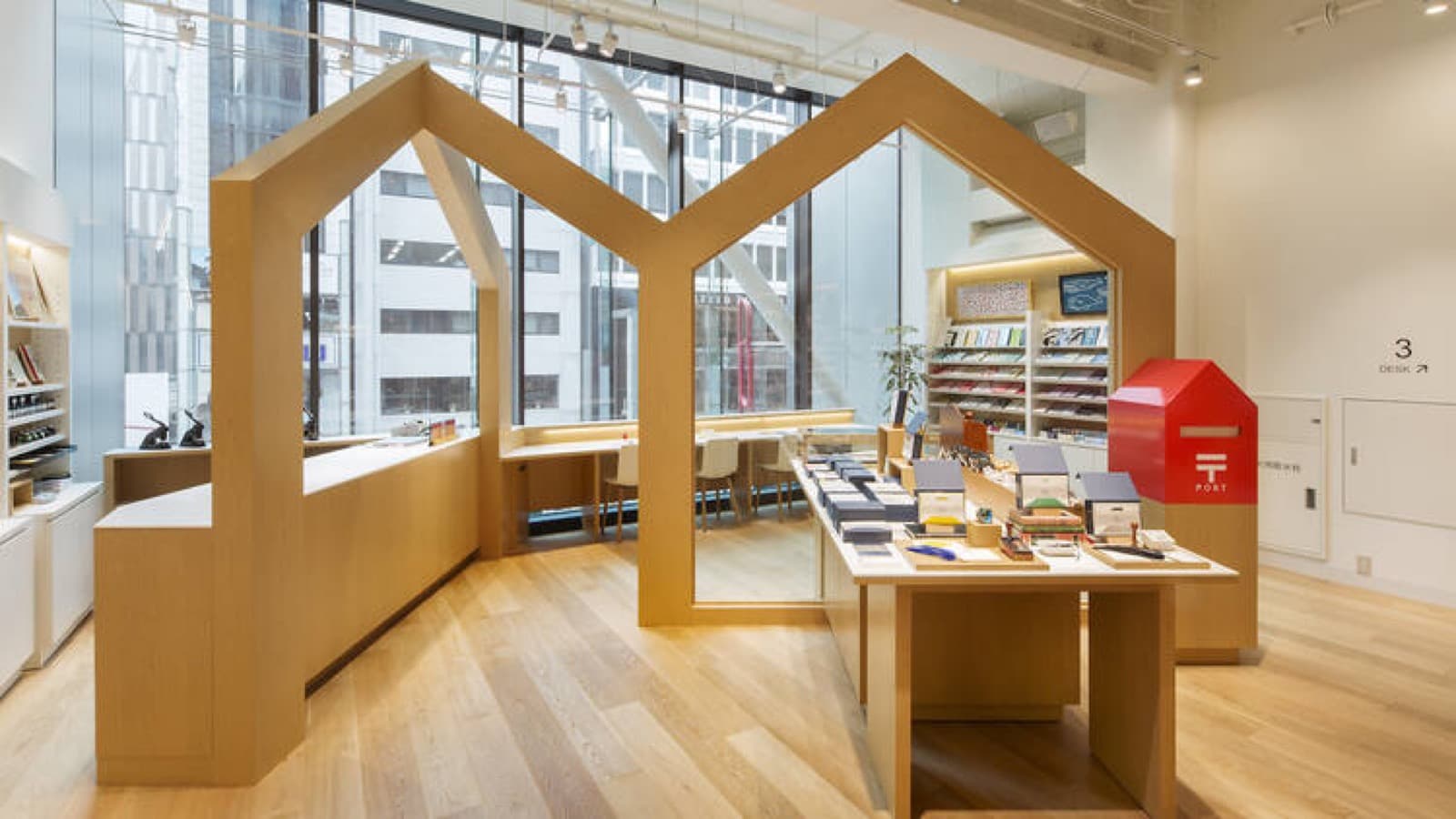
Kappabashi, near Tawaramachi and Asakusa, is Tokyo's kitchenware wholesale street and the anchor of this guide, holding 20 of its 26 shops in a walkable stretch. The renovated knife flagships Kama-Asa, Tsubaya, KAMATA and JIKKO cluster with multi-maker and English-service specialists Seisuke and MUSASHI, while professional cookware suppliers, bakeware houses and ceramics and chopstick shops fill in the streets around them. Many shops offer name engraving on knives and can advise on which blade suits your cooking. This is the one stop that no Tokyo kitchenware trip skips.
Traditional Japanese homeware handcrafted by artisans using time-honored techniques
Curated everyday pieces where traditional craft meets a modern design sensibility
See It In Action
Ginza & Tsukiji
Knives Near TsukijiChopsticksTableware
3 locations·Ginza / Tsukiji
A short ride south of Kappabashi, Ginza and Tsukiji add a knife stop near the old fish market and a specialist for the table. The two Seisuke Knife stores put multi-maker Japanese blades within reach of Tsukiji's food stalls, while Ginza Natsuno concentrates on chopsticks (hashi) and Japanese tableware in a compact Ginza store. It is the area to pair a knife purchase with a lighter, giftable souvenir.
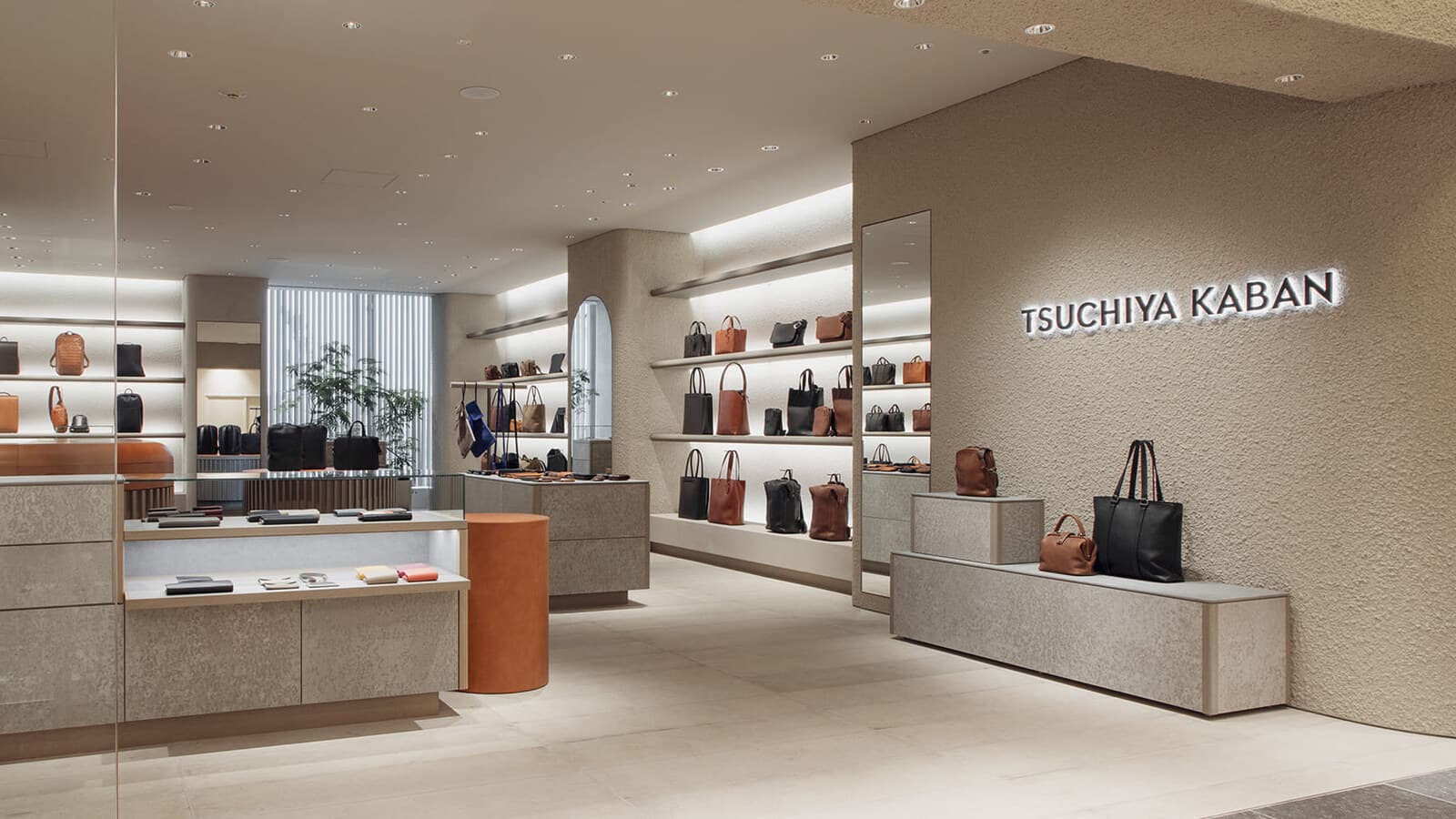
Around Nihonbashi and Tokyo Station, the three Kiya (木屋) branches carry a cutlery house that has been in business since 1792 into the department-store districts. The Nihonbashi main branch inside COREDO Muromachi is the flagship, with counters in the Takashimaya and Daimaru department stores nearby for a quick, convenient stop. Expect a comfortable, polished browse rather than the workshop feel of Kappabashi.
A Kiya counter inside Daimaru at Tokyo Station, handy before a train
The house range of knives and cutlery without a trip to Kappabashi
The most convenient of the three branches for travelers passing through the station
Pro Tips
Tax-Free Shopping (Rules Change Nov 2026)
Tax-free availability varies by shop, so confirm participation and carry your passport. Through October 31, 2026, eligible visitors get the exemption at the register when spending at least ¥5,000 before tax at one store on the same day. From November 1, 2026, eligible visitors pay the tax-inclusive price first, customs confirms at departure that the goods are leaving Japan, and the retailer or its refund provider then returns the consumption-tax equivalent, with the method varying by store. Larger knife flagships and department-store counters are the most likely to handle it smoothly.
Carry Cash for the Smaller Shops
The knife flagships and department-store counters generally take cards, but several of the older cookware and tableware shops on Kappabashi are cash-first or have a card minimum. Keep some yen on hand so a small purchase does not become a problem, and note that many independent shops close earlier than a mall and often shut one day a week.
Getting a Knife Home
A knife must travel in checked baggage, never in a carry-on, or airport security will confiscate it. Ask the shop to wrap the blade securely, and keep the receipt for customs. If you are not checking a bag, most of the larger knife shops can ship internationally, which also keeps a tax-free purchase compliant since the goods leave the country unused.
Free Name Engraving
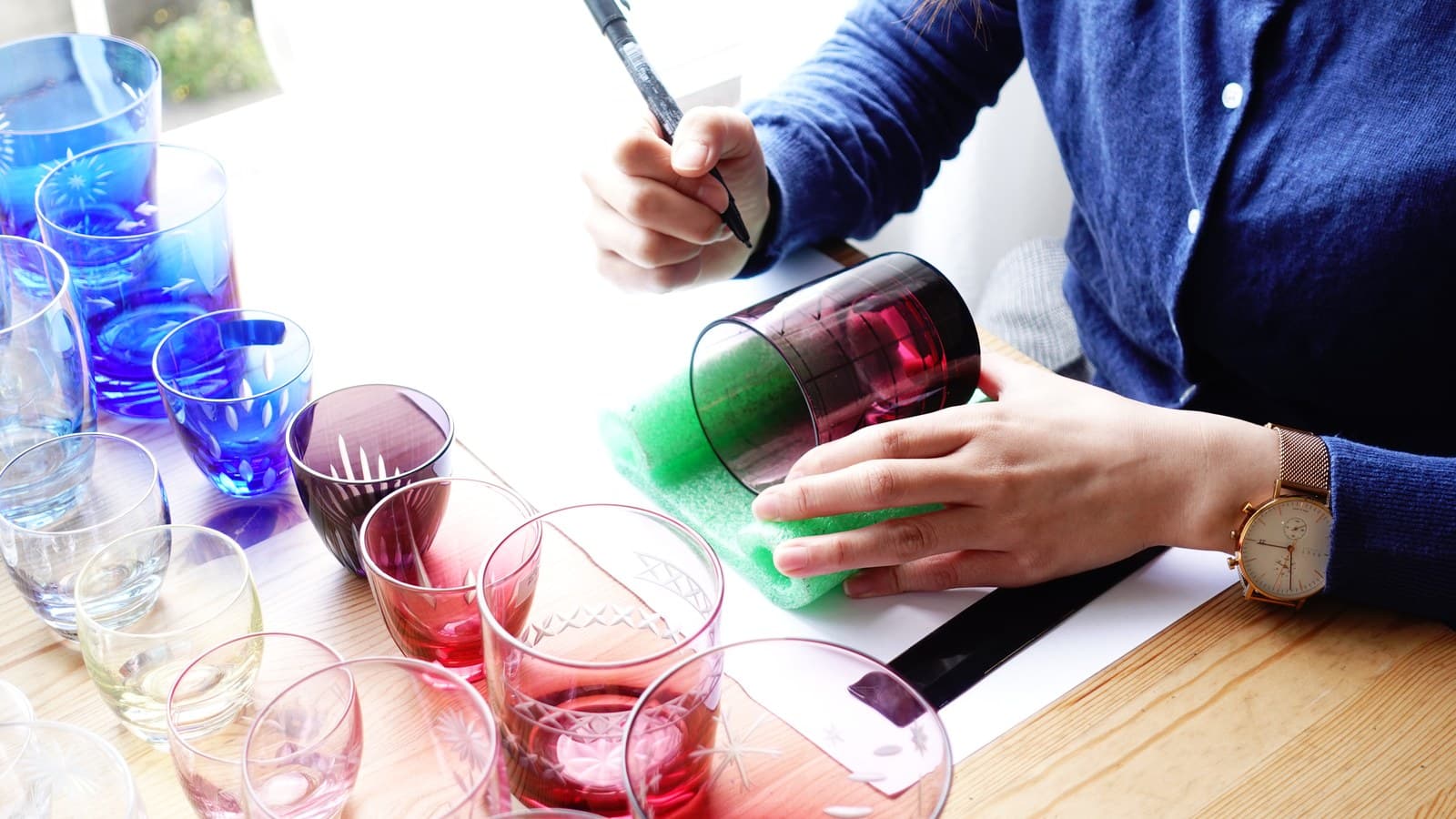
Many of the knife specialists, including Kama-Asa, JIKKO, Seisuke and MUSASHI, engrave a name onto the blade, sometimes at no charge with a purchase. It turns a knife into a personal keepsake or a gift, though engraving usually voids returns and can add a short wait, so ask about timing before you commit.
Visit on a Weekday
Kappabashi is a working supply street for the restaurant trade, so weekday mornings and early afternoons are the calmest time to talk with staff and try a blade in hand. Weekends bring more visitors and shorter attention at the counter, and a few wholesale-leaning shops keep limited weekend hours.
Frequently Asked Questions
Kappabashi is a kitchenware wholesale street between Asakusa and Ueno where Tokyo restaurants have bought their tools for around a century. Today it is open to everyone, with the highest concentration of knife, cookware and tableware shops in the city on a single walkable stretch. This guide places 20 of its 26 shops here, from the renovated knife flagships Kama-Asa, Tsubaya, KAMATA and JIKKO to professional cookware and bakeware suppliers and ceramics and chopstick specialists.
For a first hocho (kitchen knife) with guidance, start with the shops set up for visitors. Kama-Asa is the best-known flagship and helps match a blade to your cooking, Seisuke carries blades from multiple makers with English-speaking staff, and MUSASHI runs full English service. All of them offer name engraving. If you want a blade tied to a specific forging tradition, JIKKO carries Sakai-forged knives and Tokuzo carries Tosa-forged ones.
Yes, but only in checked baggage. A knife will be confiscated at security if it is in your carry-on. Ask the shop to wrap the blade for transport and keep your receipt for customs. If you are traveling carry-on only, most of the larger knife shops ship internationally, which also keeps a tax-free purchase valid because the goods leave Japan unused.
On Kappabashi, Dengama specializes in Japanese ceramics and tableware and Hashitou carries chopsticks and tableware. In Ginza, Ginza Natsuno is a dedicated chopstick and tableware specialist with a large selection and makes a good stop for a lightweight, giftable souvenir. The Kappabashi bakeware houses such as Asai Shoten and Majimaya are the ones to head for if you are after pastry and confectionery tools instead.
No, and it is not meant to be. Kappabashi alone holds far more shops than any guide could map, and there are cutlery counters in department stores across the city. We highlighted these 26 for the strength of their stock, how they cluster into walkable areas, and what each one is genuinely best for, so every stop is worth a deliberate visit.