The Tokyo Sneaker Guide: Boutiques, Limited Drops & Resale
42 essential sneaker destinations across eight Tokyo neighborhoods, a curated pick rather than an exhaustive list. This is where the rare pairs surface, where the brand flagships are worth the detour, and where authenticated resale lets you chase a grail that has sold out everywhere else.
Last updated
42
Shops
8
Neighborhoods
New, Limited
& Resale
Tax-Free
Many Shops
Tokyo is one of the best cities in the world to shop for sneakers, and the appeal runs in three directions at once, with brand flagships that show a label at its fullest, boutiques that hunt down rare and collaboration pairs, and an organized resale ecosystem where major marketplaces and established specialists put significant emphasis on inspection and authentication. This guide covers 42 of the city’s notable sneaker destinations across eight neighborhoods, from the dense epicenter of Harajuku to the heritage of Mita Sneakers in Ueno. We highlight what each area does best, store by store, along with practical notes on new releases versus resale, authenticity and tax-free shopping. Sneaker shops are genuinely everywhere in Tokyo, so this is a curated selection rather than a map of all of them, chosen for the quality of their stock, how densely they cluster, and how easy they are to reach.
Best For...
Rare & Limited
Harajuku
Jump to Harajuku
Jordan & Streetwear
Shibuya
Jump to Shibuya
Brand Flagships
Shinjuku
Jump to Shinjuku
Heritage Pick
Ueno
Jump to Ueno
Area
Harajuku & Omotesandō
Rare & LimitedBoutiques + ResaleHighest Density
22 locations·Harajuku Station / Meiji-jingūmae Station
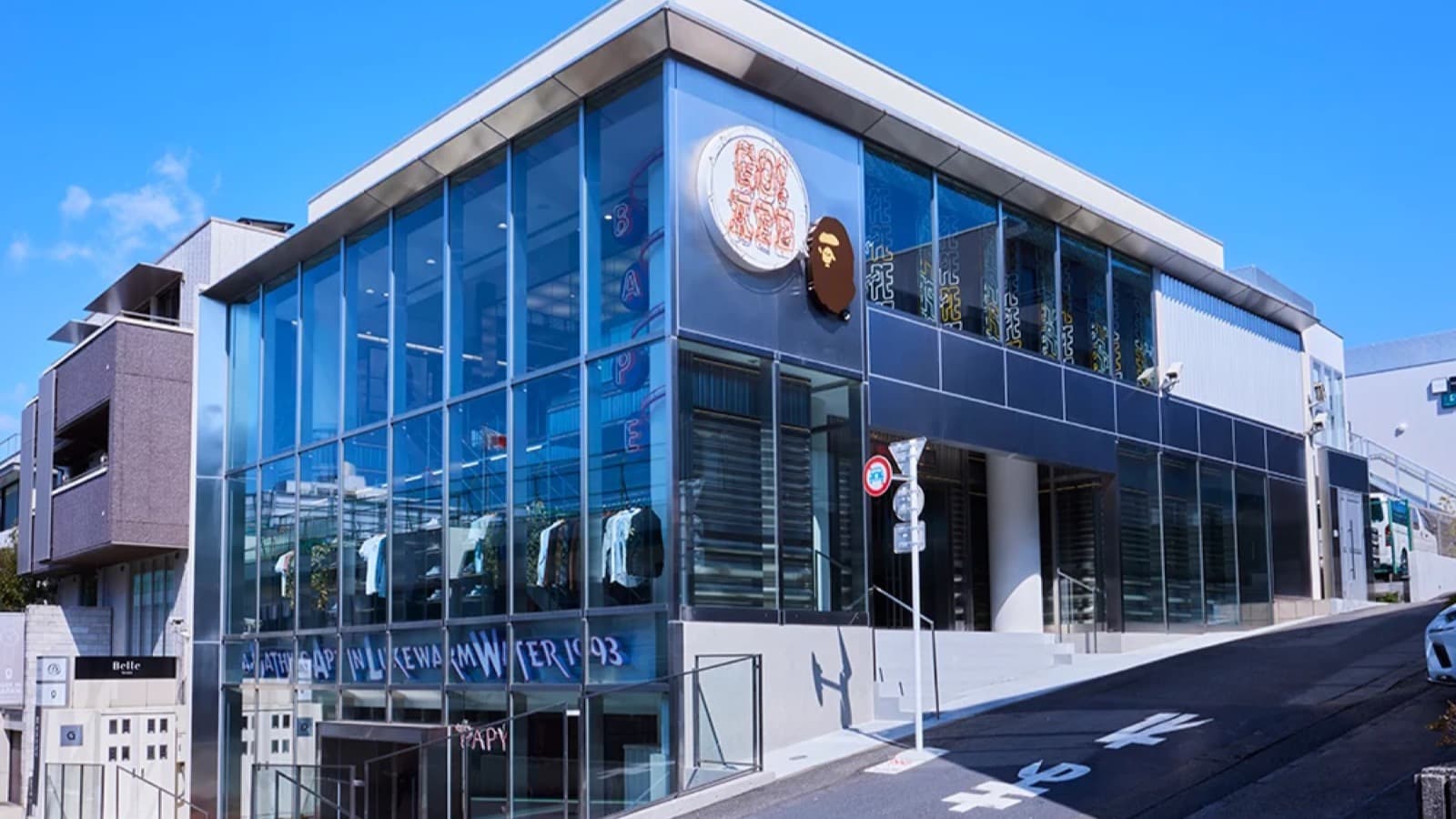
Harajuku is the center of gravity for sneakers in Tokyo. Within a short walk of the station, the country’s most influential sneaker boutiques sit beside the global brand flagships and the city’s deepest cluster of authenticated resale, so you can move from a rare collaboration to a limited release to a sold-out grail without changing neighborhoods. This is where atmos was born and where the culture runs densest, which makes it the natural first stop whether you are chasing a specific pair or just want to see the best of Tokyo sneaker retail in one loop.
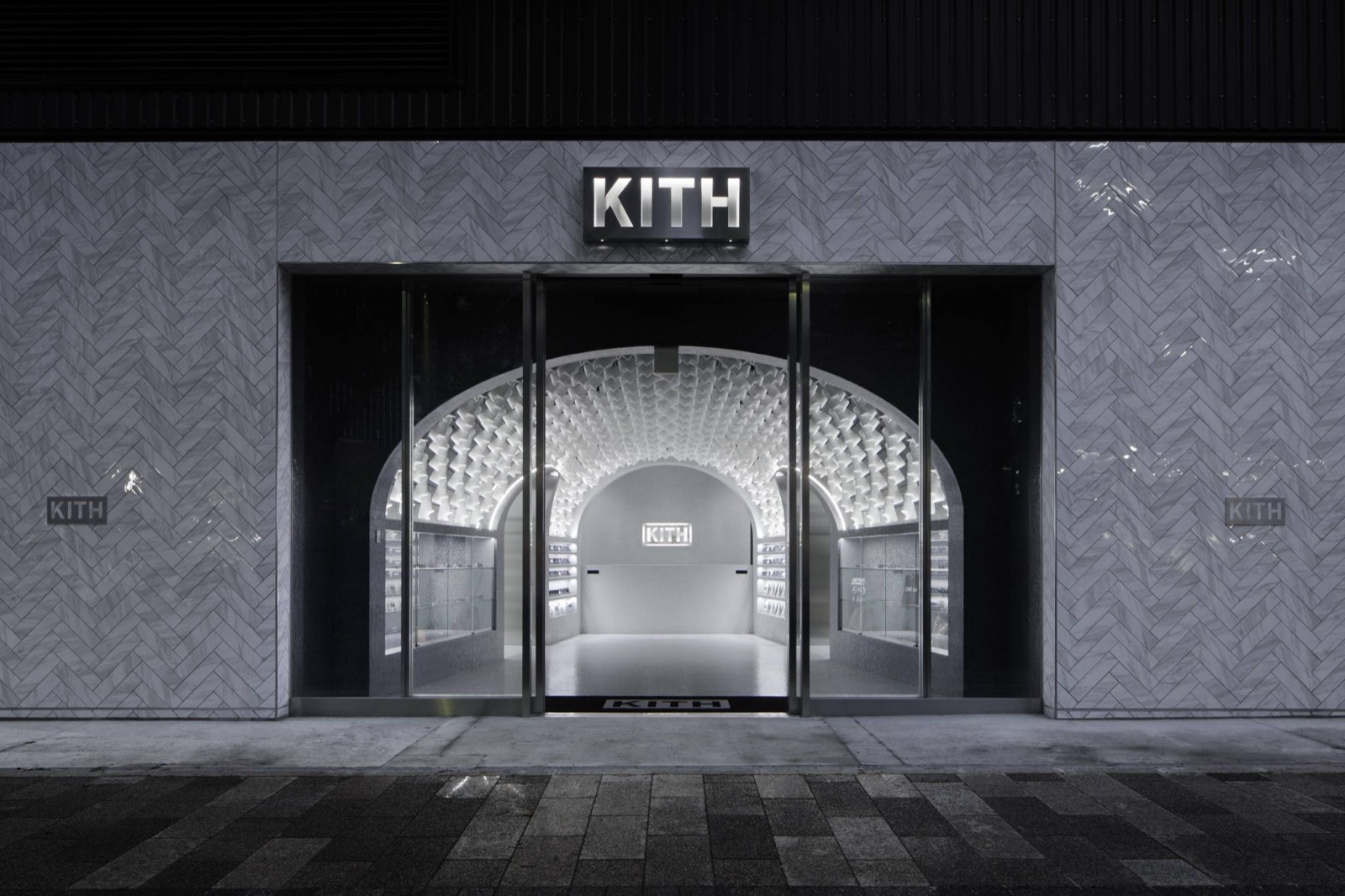
Shibuya folds sneakers into the busiest shopping district in the city, and the draw here is brand-forward. A Jordan flagship and a dedicated Onitsuka Tiger store anchor it, a performance-sports specialist goes deep on basketball, the streetwear energy around Miyashita Park adds Kith and adidas, and Mizuno at PARCO brings a Japanese-brand stop. It is the district for major brands and streetwear rather than the resale hunt, which now lives up the road in Harajuku.
Ginza is the polished end of Tokyo sneaker shopping. Rather than the release-day energy of Harajuku, the neighborhood mixes a major On flagship with premium brand stores, atmos, ABC-MART’s Grand Stage format and authenticated sneaker resale. It is especially useful if you want to try multiple brands and compare pairs without building an entire day around sneaker hunting.
Ueno adds the heritage note to a Tokyo sneaker trip. In the Ameyoko market streets sits Mita Sneakers, one of the country’s oldest and most respected sneaker shops, with a collaboration history that runs back decades. It is a pilgrimage more than a convenience stop, worth pairing with the market itself and the museums nearby.
Shinjuku has quietly become one of Tokyo’s strongest brand-focused sneaker districts. Within a few blocks of Shinjuku-sanchōme, Nike sits alongside major new ASICS and Onitsuka Tiger flagships that opened in 2026, while the department stores add Japanese designer footwear and performance running. It does not have Harajuku’s independent sneaker culture, but few neighborhoods are easier for comparing major brands in one compact walk.
Kichijōji sits west of the center and rewards a dedicated trip. The draw for sneaker hunters is a respected resale specialist, part of the appeal of a neighborhood better known for its relaxed shopping streets and Inokashira Park.
Shimokitazawa is Tokyo’s vintage and secondhand village, and its sneaker angle is the same, a specialist digging shop for older and vintage pairs, best paired with the neighborhood’s wider used-clothing crawl.
1 location·Suitengūmae Station / Ningyōchō Station
Nihonbashi is a business-district detour that rewards New Balance fans in particular. The draw is T-HOUSE, the brand’s Tokyo Design Studio concept store, a considered space for limited and design-led releases rather than the full mainline range.
The boutiques and resale floors are where limited, collaboration and sold-out pairs surface, and most of them cluster in Harajuku, where KICKS LAB and atmos for exclusives, SNKRDUNK and WORM Tokyo for authenticated resale, plus Mita Sneakers in Ueno for heritage. The brand flagships in Shinjuku, Ginza and along Cat Street are better for current-season releases and trying models on. Plan the boutiques first if you are hunting something specific.
New, Limited, or Resale
Tokyo sneaker retail runs in three lanes. Brand flagships carry the current line at retail. Boutiques mix new stock with exclusives and collaborations. Resale shops and marketplaces sell released and archive pairs at market price, which can be above or below retail depending on demand. Knowing which lane a shop sits in tells you whether to expect a fixed price or a hunt.
Authenticity on Resale
Reputable resale in Tokyo is inspected. Marketplaces like SNKRDUNK authenticate every pair before it reaches the floor, and specialist consignment shops build their reputation on genuine stock. Even so, on an expensive grail it is worth confirming the shop’s authentication and return policy and checking the pair yourself for wear, yellowing and correct details before you commit.
Tax-Free Shopping (Rules Change Nov 2026)
Tax-free availability varies by store, so confirm participation and carry your passport. Through October 31, 2026, eligible visitors get the exemption at the register when spending at least ¥5,000 before tax at one store on the same day. From November 1, 2026, eligible visitors pay the tax-inclusive price first; customs confirms at departure that the goods are leaving Japan, after which the retailer or its refund provider returns the consumption-tax equivalent, with the method varying by store. Used and resale sneakers are not automatically excluded, so check the individual retailer's policy.
Release Days and Getting Around
Hyped releases in Tokyo often run through raffles or app launches rather than a simple line, so a headline pair may not be on the shelf on the day. Weekday afternoons are the calmest time to browse. Each neighborhood in this guide is walkable once you arrive, so group your route by area, with Harajuku for boutiques and resale, Shibuya for Jordan and streetwear, Shinjuku and Ginza for the flagships, and separate trips for the heritage and detour shops.
Frequently Asked Questions
It depends on what you are after. Harajuku is the epicenter, with the most influential boutiques, brand flagships and the deepest resale cluster packed into a short walk. Shibuya is brand-forward, with a Jordan flagship, a dedicated Onitsuka Tiger store and the streetwear energy around Miyashita Park. Shinjuku has become the flagship district, with major new ASICS and Onitsuka Tiger stores beside Nike. Ginza is the calm, premium option, and Ueno is the heritage stop, home to the legendary Mita Sneakers. If you only have time for one, make it Harajuku.
Onitsuka Tiger runs several major Tokyo stores. The new Shinjuku global flagship, the brand's largest in the world, carries the broadest cross-section, while Omotesandō is strong on heritage models and has a separate NIPPON MADE store for Japanese-made footwear. The Shibuya store is a convenient option for the standard collection, including the Mexico 66. The silhouette has had a strong viral moment, so popular colors can sell through; inventory and sizes vary by location, so check more than one branch if you are hunting a specific color.
Head for the resale and boutique shops rather than the brand flagships, most of them clustered in Harajuku. WORM Tokyo specializes in used and rare pairs on consignment, SNKRDUNK’s store sells authenticated resale from its marketplace, and KICKS LAB, BASEMENT TOKYO and Mita Sneakers in Ueno carry limited and collaboration stock. These are the shops where a pair that sold out on release can still turn up, at market price.
Sometimes. Japan-only releases, domestic pricing and tax-free shopping can occasionally make a pair cheaper than buying it abroad, but the advantage varies by brand, model and exchange rate. Highly sought-after collaboration and resale pairs can still trade above retail, so compare the exact model rather than assuming Tokyo is automatically cheaper.
atmos is a sneaker retailer born in Harajuku that became globally influential through its Nike collaborations, especially on the Air Max line. Its Harajuku flagship is a cornerstone of Tokyo sneaker culture and the first place to look for atmos exclusives and collaboration releases. There is also a quieter Ginza branch if you are shopping the east side of the city.
English support is generally easiest at the major flagships and tourist-facing boutiques, though staffing varies; independent resale and heritage shops are more likely to be Japanese-first, where a translation app goes a long way. International shipping is a separate question and much less consistent, since a shop can have great English-speaking staff and still not ship abroad. Some retailers offer overseas delivery through their online store or marketplace rather than from the physical shop, so ask before assuming an in-store purchase can be sent home.
No, and it is not meant to be. Tokyo has sneaker shops in every district, from chain retailers to tiny consignment rooms, so mapping all of them would be impossible. We highlighted these 42 for the quality and rarity of their stock, how densely they cluster into walkable neighborhoods, and how easy they are to reach, so each one is worth a deliberate stop.