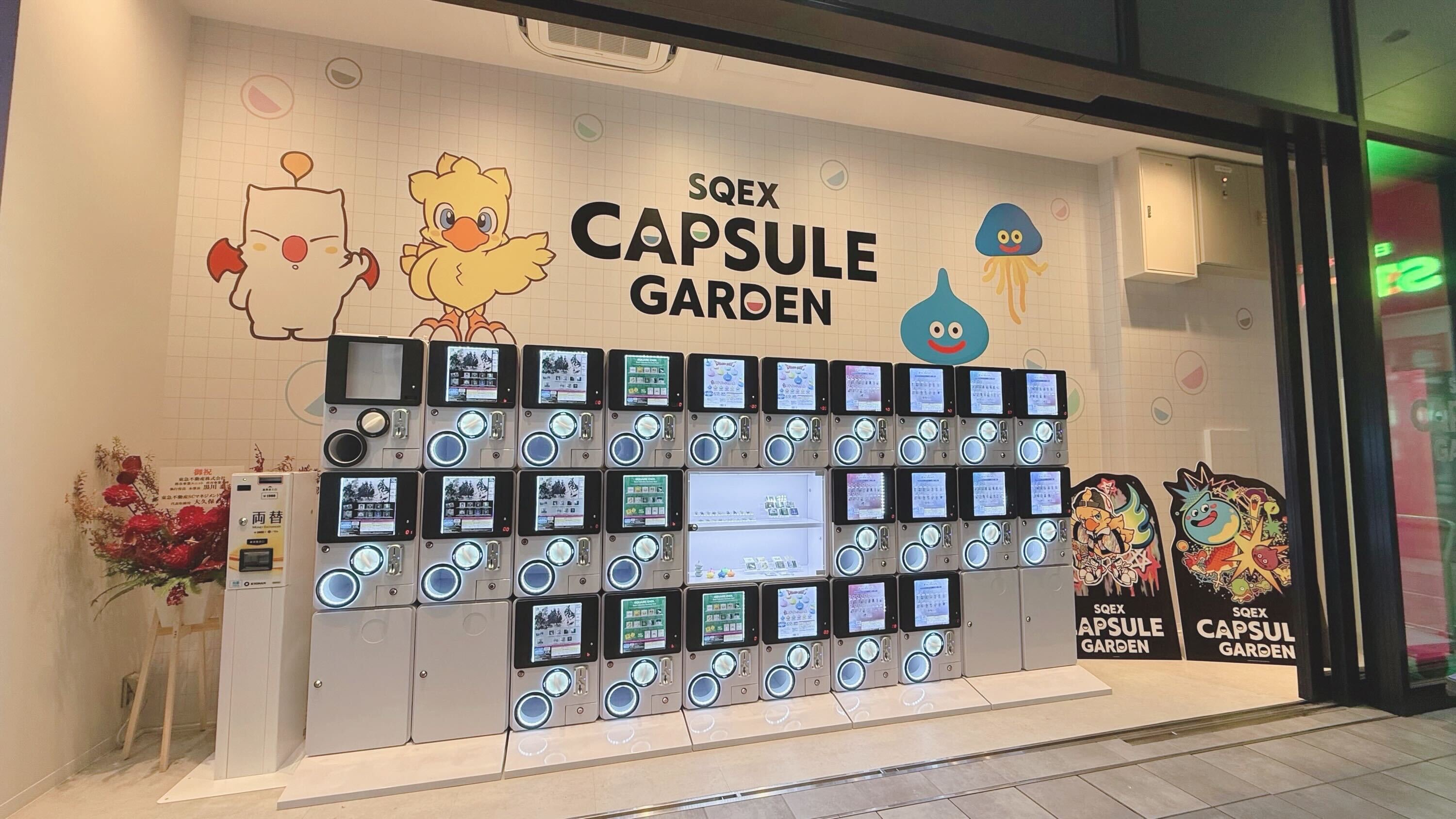
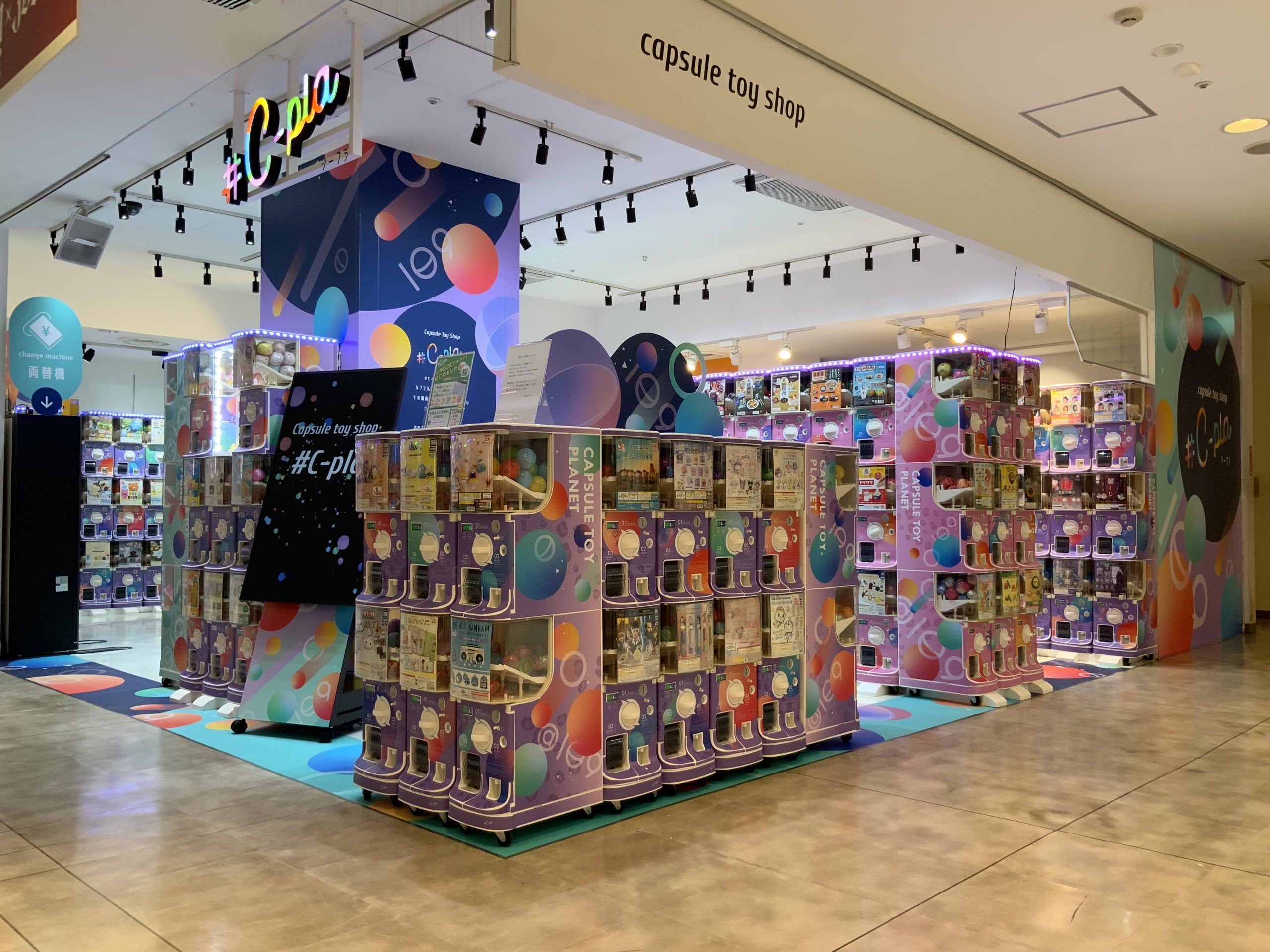
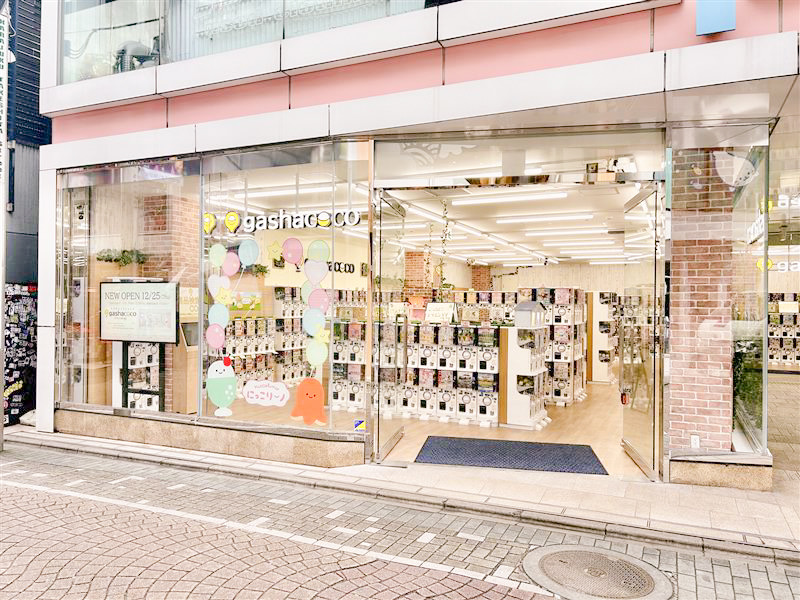
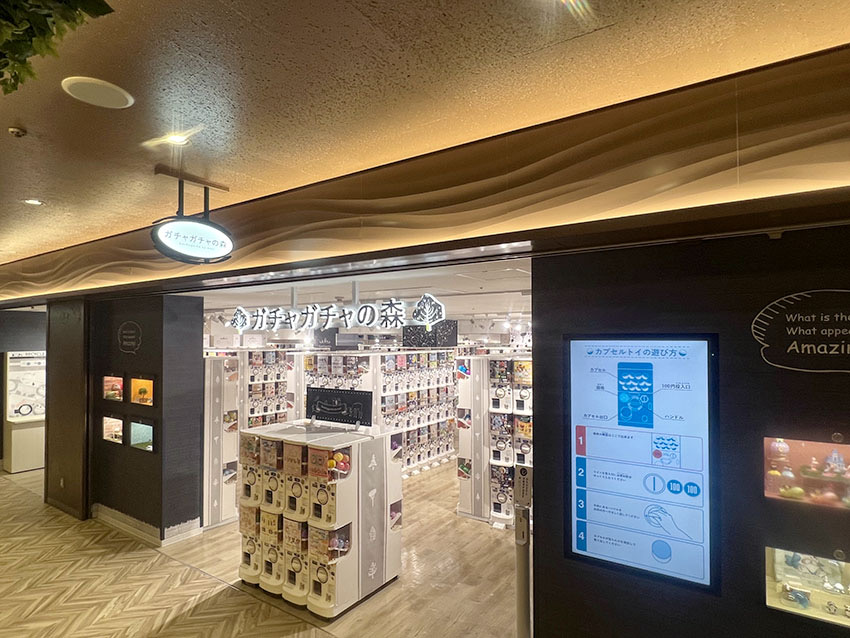
24 standout capsule-toy spots across 5 neighborhoods, a curated pick rather than an exhaustive list. Where to find rare machines, the biggest floors, and how gachapon works.
Last updated
24
Spots
5
Areas
¥300+
Per Turn
Coins
Bring Some
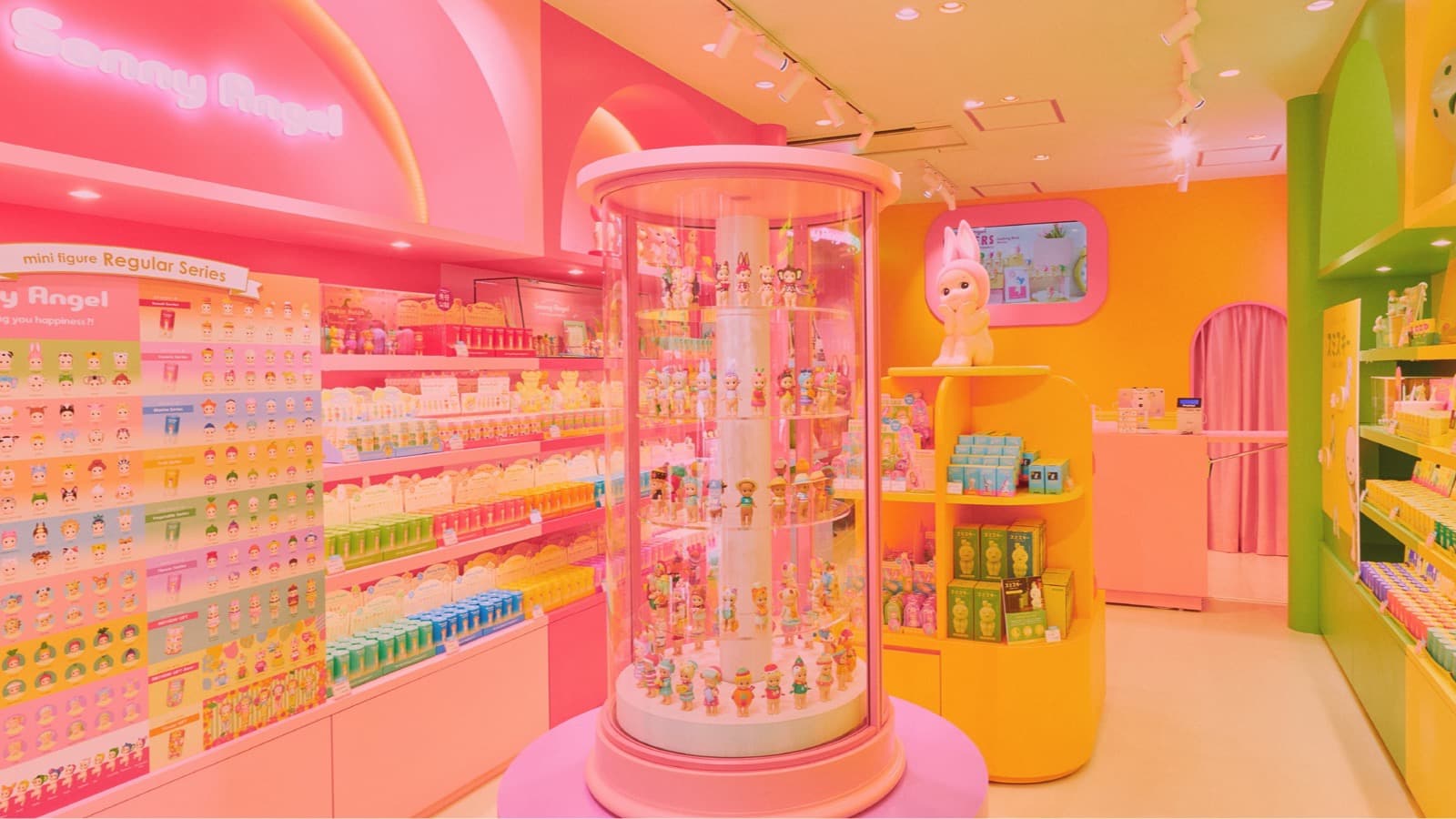
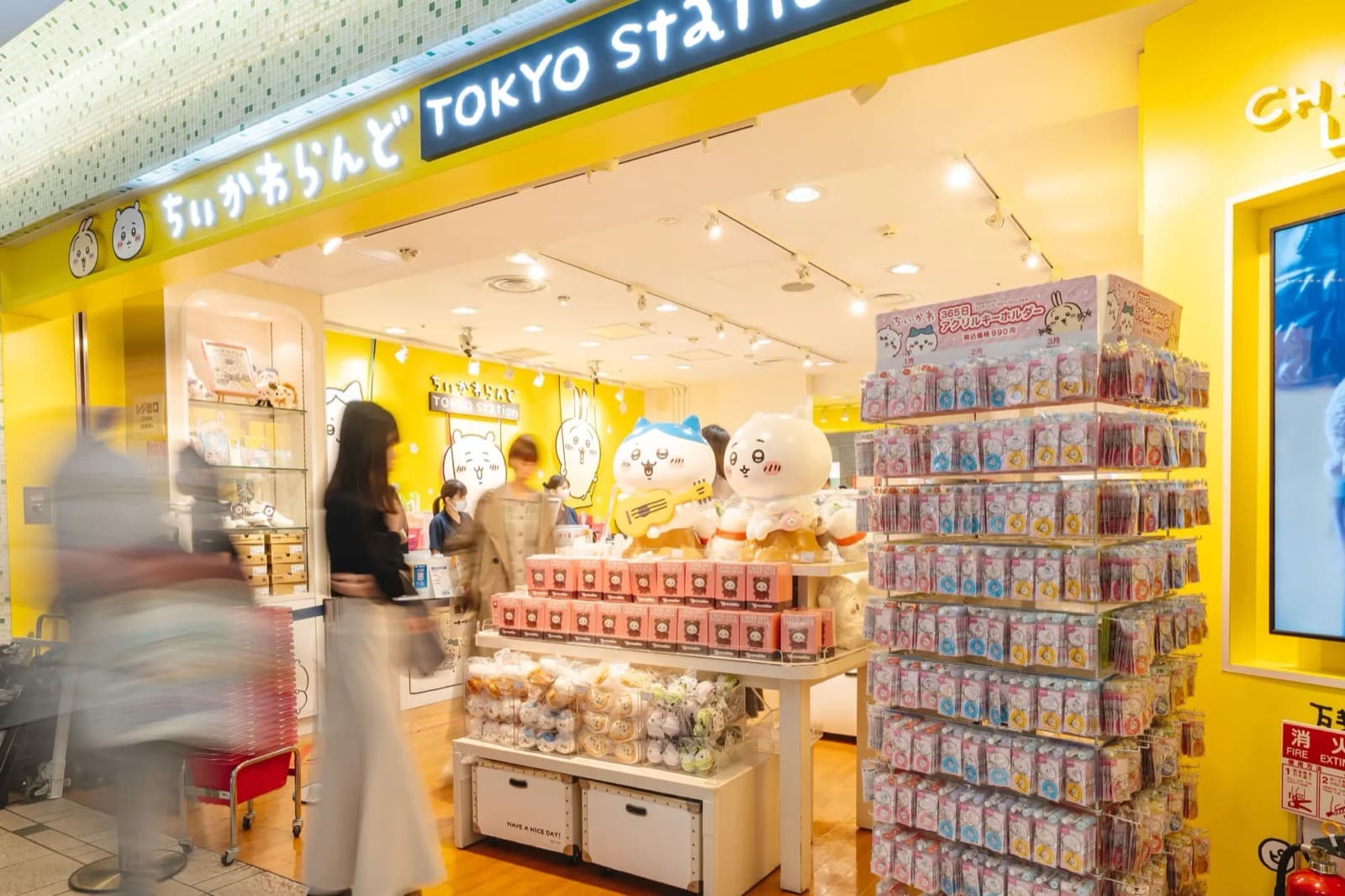
Gachapon, also called gacha-gacha, are the coin fed vending machines that dispense a random collectible in a plastic capsule. A single turn can run from ¥300 up to ¥2,000, and the range is enormous, from anime figures to miniature furniture, animal keychains, oddball novelty items, and artist collaborations you will not find outside Japan. This guide covers 24 of the best gashapon spots across five Tokyo neighborhoods, from Bandai's flagship floor in Ikebukuro to the halls of Akihabara and the collector shops of Nakano. We highlight what each area does best, store by store highlights, and practical tips for playing. Gashapon machines are genuinely everywhere in Tokyo. You will find them in station corners, mall entrances, and supermarket lobbies, so this is not an attempt to map all of them. We have highlighted these particular spots for their novelty and range of machines, their proximity to major attractions and shopping areas, and how easy they are to reach.
Best For...
Rare & Niche Makers
Akihabara
Jump to Akihabara
Biggest Selection
Ikebukuro
Jump to Ikebukuro
Most Central
Shibuya
Jump to Shibuya
Collector & Vintage
Nakano
Jump to Nakano
Area
Akihabara
Niche MakersAnime & FiguresMachine Walls
5 locations·Akihabara Station (Electric Town Exit)
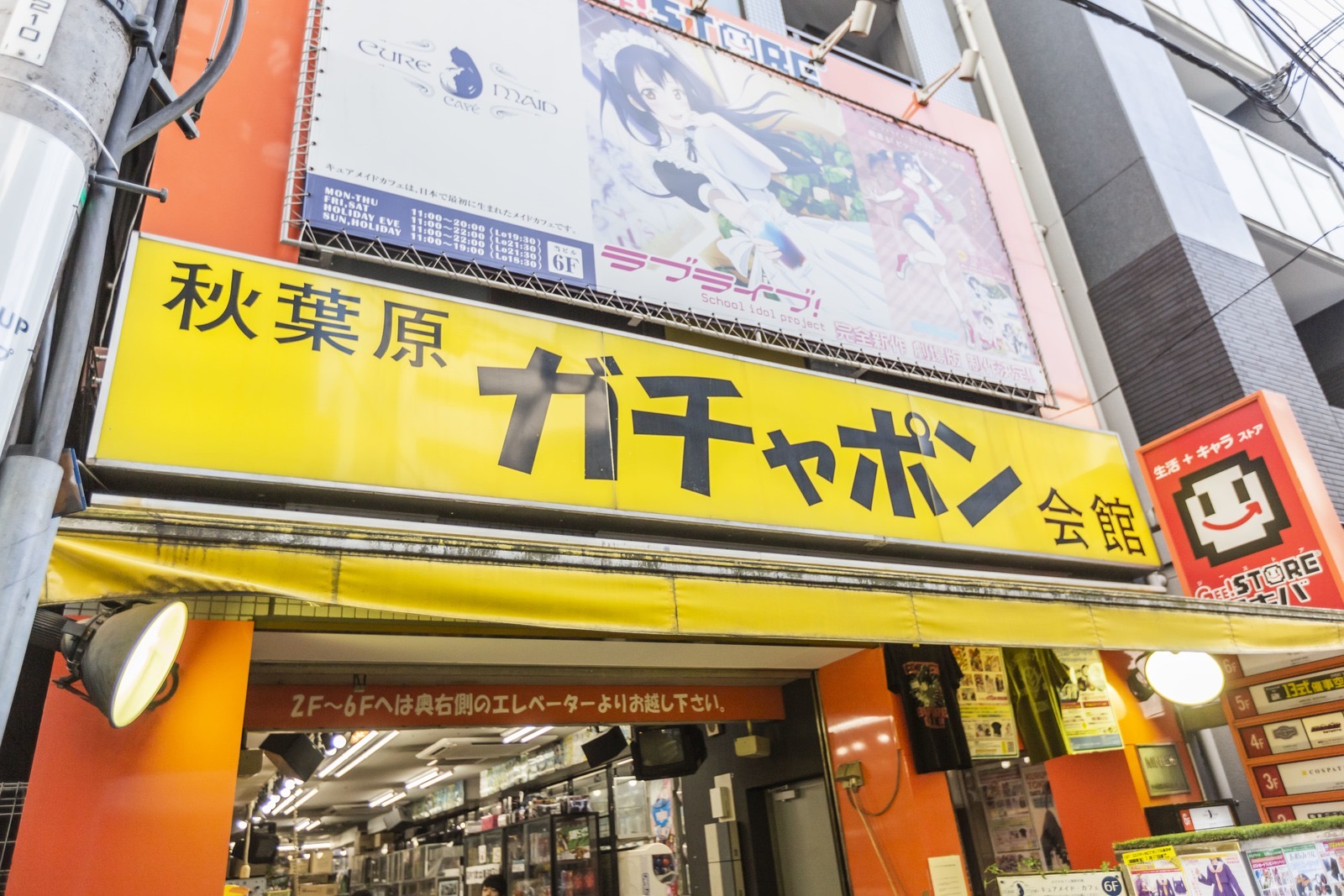
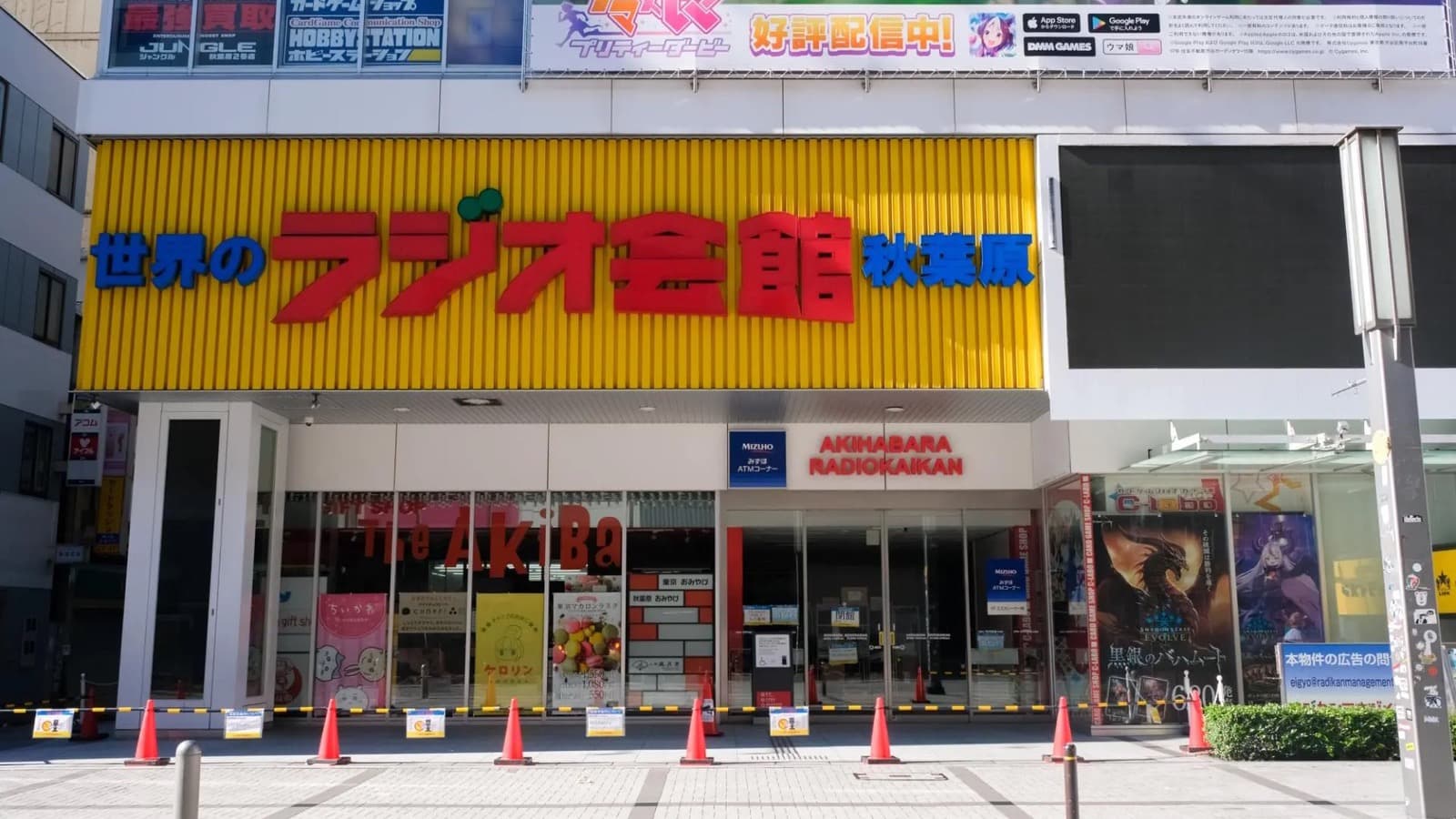
Akihabara is the spiritual home of capsule toys in Tokyo. Electric Town packs specialty gachapon halls, hobby shop machine walls, and arcade corners within a few blocks of the station, and the lineups here lean deeper into anime, figures, and niche indie makers than anywhere else in the city. Start at the Gachapon Kaikan and work outward, with most machines running ¥300 to ¥500 a turn, though some premium machines here can run you up to ¥2,000.
Inside Akihabara Radio Kaikan, the classic hobby-tower building
Toy and figure shop with a capsule selection skewed to collectors
Pair it with the figure and model floors in the same building
See It In Action
Ikebukuro
Biggest SelectionFlagship FloorFamily-Friendly
4 locations·Ikebukuro Station (East Exit)
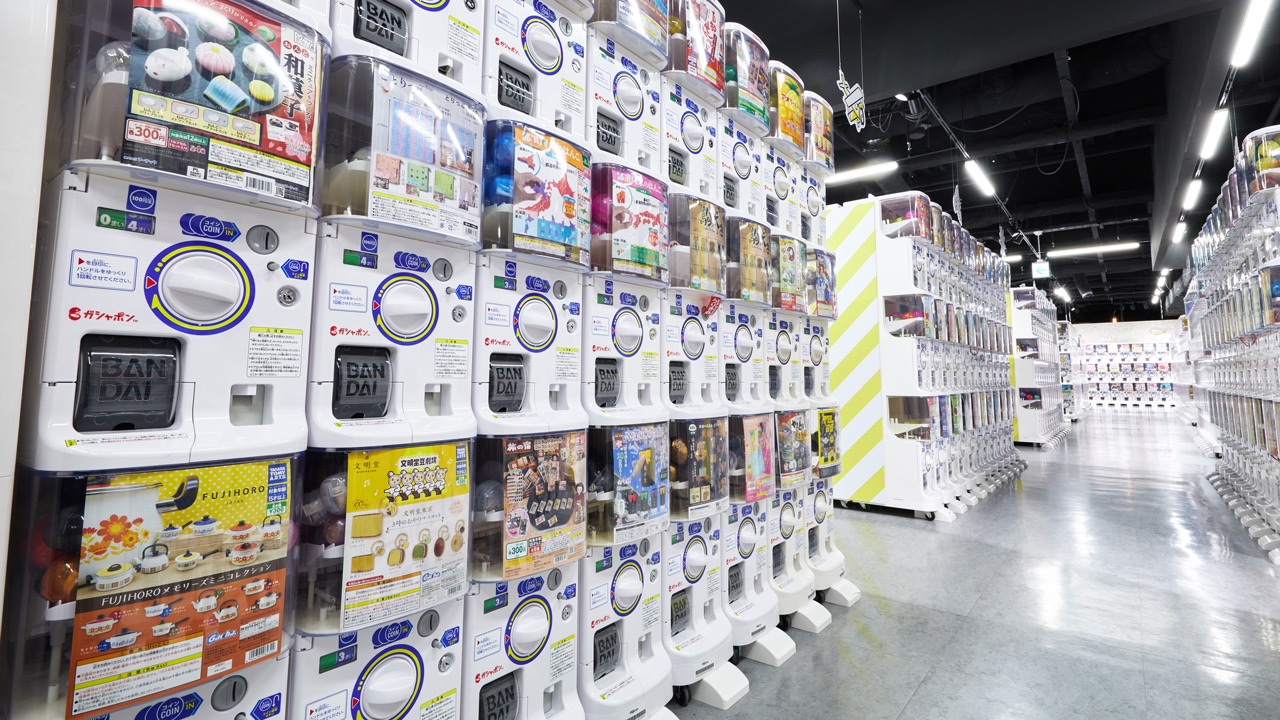
Ikebukuro is where scale takes over. The area around Sunshine City is anchored by the flagship Gashapon Department Store, which is among the largest capsule toy floors anywhere, with roughly 3,000 machines under one roof. The area is surrounded by specialty chains and arcade operators, and it pairs naturally with a day at Sunshine City and the Animate flagship nearby. The crowd skews younger and more anime focused here than the west side neighborhoods.
5 locations·Shibuya Station (Hachiko Exit) / Harajuku Station
Shibuya and Harajuku put capsule toys right in the middle of the shopping crowds. You will find machines inside MAGNET by Shibuya109 overlooking the Scramble Crossing, along Takeshita Street, and in flagship character and game stores. It is the most convenient cluster if you are already shopping the area rather than making a dedicated trip out to Akihabara or Nakano.
Shinjuku's capsule scene runs from the Yodobashi Gashapon Pavilion on the quieter west side to the arcade towers of Kabukicho in the east. namco TOKYO inside the Tokyu Kabukicho Tower is the newest and flashiest, with a large capsule floor alongside its arcade, and several spots here stay open late.
Nakano is for collectors. Nakano Broadway and the Sun Mall arcade leading to it are lined with vintage toy and hobby shops whose capsule selections skew retro, rare, and out of print. It is a quieter, deeper hunt than the tourist heavy areas, and the place to come for the machines and the loose capsules you will not find in Shibuya or Ikebukuro.
Many machines take ¥100 coins only, and a single turn is usually ¥300 to ¥500. Larger halls have change machines, but carrying a small stack of coins saves you hunting for one. Some newer machines now accept cash notes or IC cards, and the machine will show which.
How It Works
You cannot choose which figure you get. Each turn is random from the series shown on the machine, and the full lineup (including the rare one) is printed on the front. Turn the crank, and a capsule drops. Popular series often have five to eight variants, so duplicates happen.
Where to Find the Rare Stuff
Akihabara and Nakano carry the niche indie-maker and out-of-print machines; Ikebukuro has the sheer volume; Shibuya and Shinjuku skew to current, trending franchises. If you are hunting something specific, start in Akihabara or at the Ikebukuro flagship.
Duplicates & Trading
Ended up with two of the same? Many collectors leave or swap duplicates informally, and some specialty shops sell loose, already-opened capsules so you can buy the exact one you want instead of gambling for it. Nakano is the best area for buying singles.
Timing
Specialty shops generally follow mall hours (roughly 10am to 8pm), while arcade-based floors like GiGO and namco run much later. Weekday afternoons are calmest; the Ikebukuro and Shibuya flagships get busy on weekends.
Frequently Asked Questions
No, and it is not meant to be. Capsule-toy machines are everywhere in Tokyo, from station corners to mall entrances and supermarket lobbies, so mapping all of them would be impossible. We highlighted these particular spots for their novelty and range of machines, their proximity to major attractions and shopping areas, and how easy they are to reach, so each one is worth a deliberate stop.
Gachapon (also called gacha-gacha) refers to capsule toys, meaning coin-operated machines that dispense a random collectible inside a plastic capsule. The name comes from the "gacha" crank sound and the "pon" of the capsule dropping. Each machine holds one series, and you get a random item from it per turn. You will also see the brand name "gashapon" on Bandai machines.
Most machines cost between ¥300 and ¥500 per turn. Simpler keychains and novelty items sit at the lower end, while detailed figures and licensed collaborations can run ¥500 or more. A few premium or large-capsule machines go higher, sometimes up to ¥2,000, and the price is always printed on the front of each machine.
Often, yes. Many machines accept ¥100 coins only, so it helps to carry a small stack. Larger halls and department-store floors usually have coin-change machines nearby, and a growing number of newer machines accept cash notes or IC cards like Suica and Pasmo, so check what each machine displays.
It depends on what you want. Akihabara has the widest range of niche and indie-maker machines; Ikebukuro's Sunshine City area has the flagship Gashapon Department Store with roughly 3,000 machines; Shibuya and Shinjuku are the most convenient if you are already shopping; and Nakano Broadway is the collector's pick for vintage and out-of-print items.
Not from the machine itself. Each turn is random from the series shown, which is part of the appeal (and the reason duplicates happen). If you want a specific figure, some specialty shops, especially around Nakano, sell loose opened capsules individually so you can buy the exact one you are after.
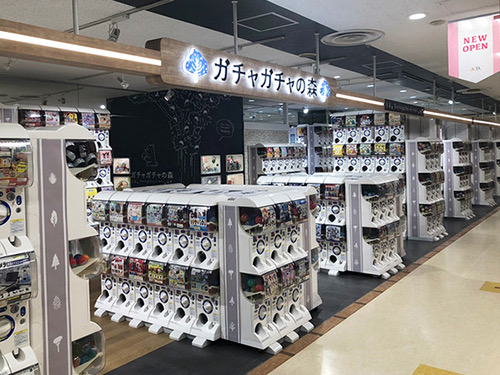
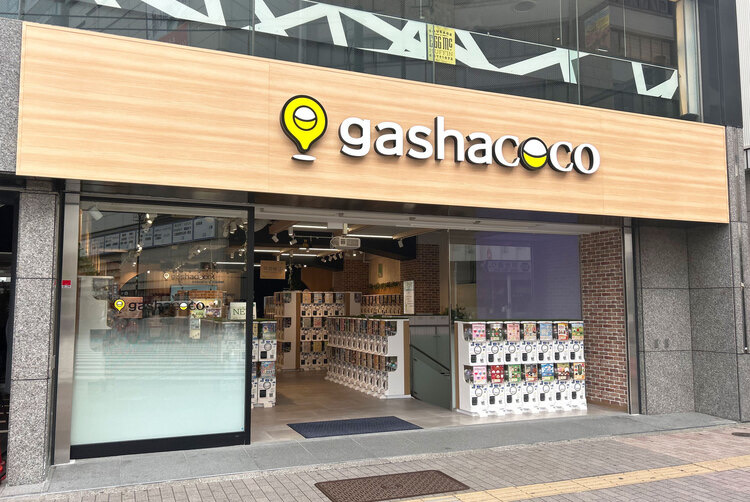
Yes. Turns are cheap, the machines are simple to operate, and the character and animal series appeal to all ages. The Ikebukuro flagship and the specialty-chain shops (Gachagacha no Mori, gashacoco, C-pla) are bright, easy to browse, and family-friendly, versus the louder late-night arcade floors.