The Tokyo Luggage Guide: Where to Buy a Suitcase and Where to Get One Fixed
22 places to solve the problem every Tokyo trip creates, across eight neighborhoods. Dedicated suitcase shops, the lifestyle and discount stores that carry cases on an upper floor, a multi-brand specialist for comparing everything at once, and two repair counters for when the case you own only needs a wheel.
Last updated
22
Places
8
Neighborhoods
24hr
Some Options
Repair
Or Replace
Almost nobody plans to buy luggage in Tokyo, and a lot of people end up doing it anyway. The city is unusually good at this problem. Value suitcase specialists sit a few minutes from the major stations and stay open late, the lifestyle chains carry travel floors alongside everything else, at least one discount store in Akihabara never closes, and there is a multi-brand shop near Yurakucho built specifically for comparing global brands in one visit. Prices run from a few thousand yen for a case that will survive one flight to Japanese hard-shell luggage built to last years. This guide covers 22 places across eight neighborhoods, sorted by the situation you are in, whether that is needing a second case tonight, wanting something worth carrying home, or discovering a wheel snapped off on the way to the station. It also covers the parts that are not shops, including forwarding your bags to the airport the day before you fly, and what changes when Japan moves to a refund-based tax system on November 1 2026.
Best For...
Open Around the Clock
Akihabara
Jump to Akihabara
Comparing Brands in One Stop
Yurakuchō
Jump to Yurakuchō
Affordable and Open Late
Nihombashi
Jump to Nihombashi
Repair Instead of Replace
Ueno
Jump to Ueno
Area
Shibuya
Value CasesOpen LateRepair Nearby
4 locations·Shibuya Station
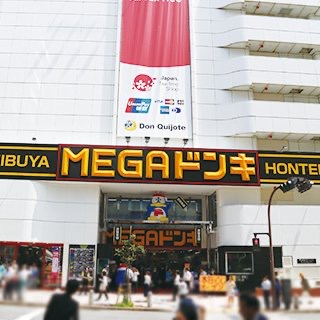
Shibuya covers every version of this problem within a few minutes of the station. A value suitcase specialist handles the affordable replacement, the station-connected branch of Hands carries cases alongside the travel accessories you probably also forgot, and the MEGA Don Quijote on Dōgenzaka runs late for the nights when nothing else is open. A repair counter sits nearby too, which is worth knowing before you decide the case you own is finished.
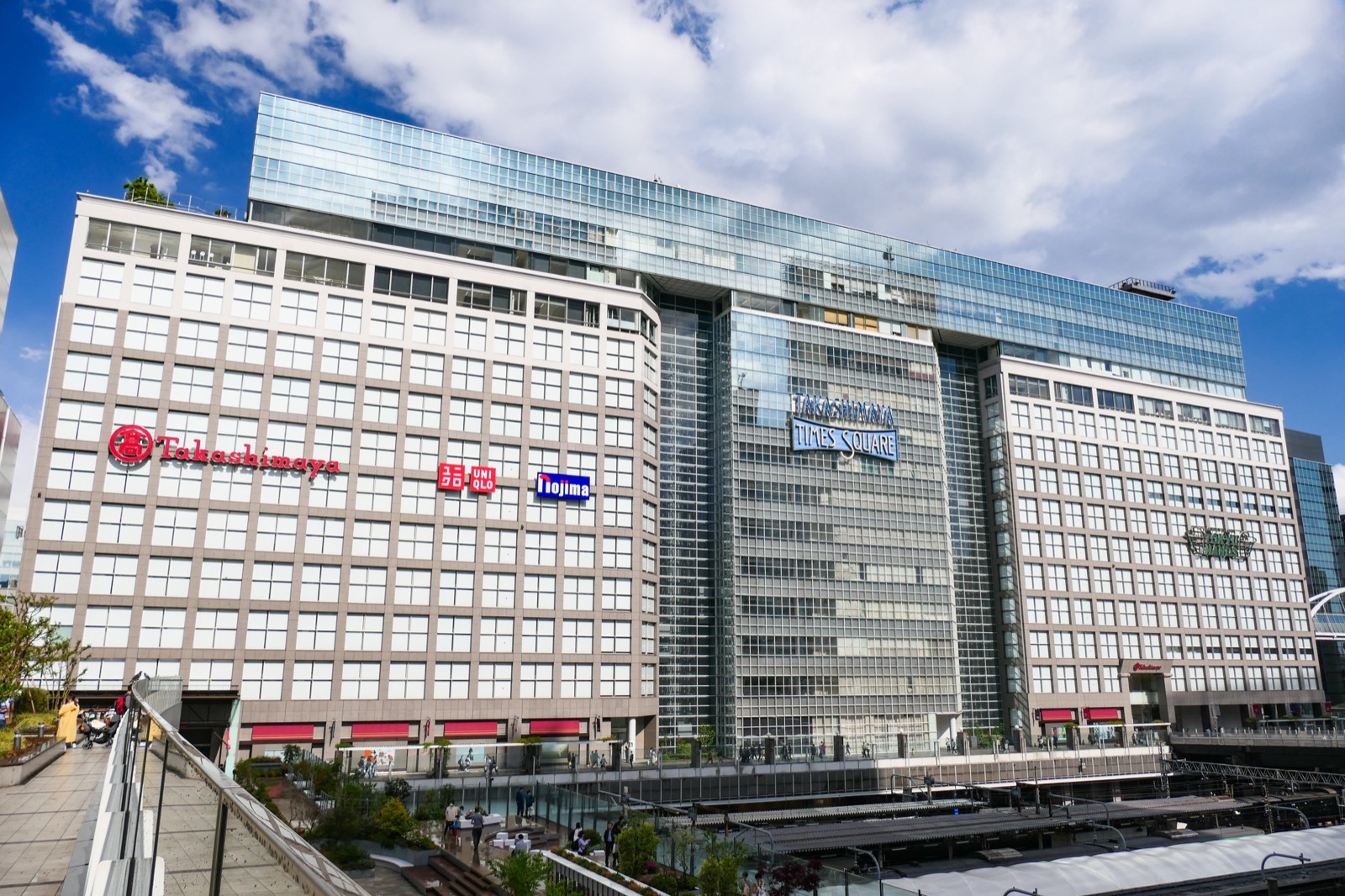
Shinjuku is the most efficient neighborhood for this, because Yodobashi gives over a separate building on the west side to travel goods rather than a single aisle inside a larger store. A value suitcase specialist sits near the east side, and the Hands branch in Takashimaya Times Square covers packing organizers and accessories. Worth noting the station is large enough that the walk between the east and west sides takes longer than the map suggests, so pick a side before you set out.
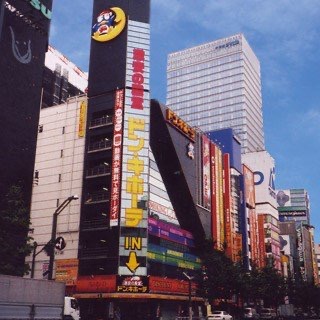
Akihabara is the answer when timing has stopped being flexible. Both electronics giants have major stores here carrying luggage alongside everything else, a manufacturer-direct luggage shop sits a few streets back from the main run, and the Don Quijote on Chūō-dōri is open 24 hours, which makes it the only realistic option at four in the morning. The trade-off is that stock at the general stores moves constantly, so come here because you are already nearby rather than crossing the city for it.
Ginza covers the middle of the range, where you are choosing something to keep rather than something to survive one flight. MUJI carries its luggage line in a store large enough to finish the rest of your packing list on the way up, Hands sits a few streets over for accessories, and a dedicated suitcase shop and a duty-free counter round out the options. Note that tax-free and duty-free counters inside large stores often close before the store itself does, which is worth checking on arrival rather than at the register.
A counter on the eighth floor, inside the Lotte duty-free hall in Tokyu Plaza, so allow time to get up there.
Aimed at departing travellers, which makes it a value option rather than a brand showroom.
See It In Action
Tokyo Station and Yūrakuchō
Compare BrandsJapanese MakersUnder the Station
3 locations·Tokyo Station / Yūrakuchō Station
This is the neighborhood for comparing rather than grabbing. A multi-brand luggage specialist upstairs in the Tokyo Kōtsū Kaikan building near Yūrakuchō carries several global brands side by side, which is hard to do anywhere else in the city, and a manufacturer-direct Japanese luggage shop sits in the Yaechika arcade under the station. Hands covers the accessories. If you have time before a Shinkansen or a flight and want to make a considered choice, start here.
Travel accessoriesPacking organizersNear the station
Spans three floors (8th to 10th floor) within Daimaru Tokyo Store
Extensive selection of Japanese souvenirs, beauty products, kitchenware, and interior goods
Features a dedicated souvenir section for international visitors
Known for its wide variety of cleaning tools and home improvement items
See It In Action
Nihombashi and Ningyōchō
AffordableLong HoursSuitcase Specialist
1 location·Ningyōchō Station
One entry here, and it earns the detour. A value luggage specialist in Ningyōchō keeps unusually long hours for Tokyo retail and prices cases for people who need one rather than people shopping a brand. If your evening has gone wrong and Ginza has already closed, this is the fallback that is not a discount store.
Provides excellent international after-sales support for parts, including shipping to the US
Located on the ground floor with good visibility from outside
Ueno and Okachimachi
Brand CounterRepairsDecide On the Spot
2 locations·Ueno Station
Ueno splits neatly between buying and fixing. A Japanese luggage brand runs a counter inside the PARCO_ya complex by the station, and a repair specialist a few minutes away handles the failures that actually happen, meaning wheels, handles and zips, often faster and for less than a replacement costs. You can settle the repair-or-replace question in one trip here.
A repair specialist rather than a shop. It fixes wheels, handles, locks and shells, and does not sell suitcases.
A few minutes from Ueno Station, which makes it realistic to drop a case off between other plans.
Asakusa
BudgetLate HoursEast Tokyo
1 location·Asakusa Station
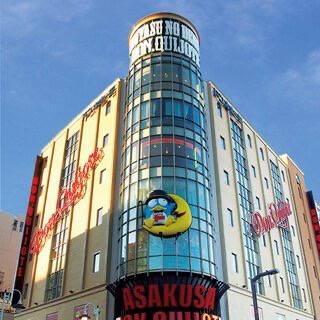
Asakusa has one practical option, which is the Don Quijote near the station carrying budget cases at hours nothing else keeps. If you are staying in the east of the city and have overbought at the Nakamise stalls, it saves a trip across town, with the same caveat that applies to every discount store here, which is that stock varies by visit.
Same-day and next-day luggage forwarding, known as takkyubin, will move your cases from a hotel front desk to Haneda or Narita for a fee that is usually far less painful than the trip with them. Book it at the hotel the morning before you fly and travel to the airport with a day bag. This is also the answer if you have bought a second case and now cannot manage both on a rush-hour train.
Check the Size Before the Price
Airline cabin and checked allowances differ enough between carriers that a case which is fine on one flight is charged on another. Bring your airline’s dimension and weight limits with you, and remember that the empty weight of the case counts toward the checked allowance. Staff at the dedicated suitcase shops will usually check a specific model against a specific airline if you ask.
Tax Refunds Change on November 1 2026
From November 1 2026 Japan moves to a refund-based system. You pay the consumption tax at the point of purchase and it is refunded after customs confirms your departure, with the method varying by retailer. Before that date, purchases can still be processed tax-free in store, and the counters that handle it frequently close earlier than the shop floor. Either way, carry your passport and keep receipts with the goods until you have left the country.
A Broken Wheel Is Usually Fixable
Wheels, telescopic handles and zips are the parts that fail, and all three are commonly repairable in a day or two at a specialist counter for less than a replacement case. If the shell itself has cracked, replacement is the sensible call. The repair counters in this guide do not sell suitcases, so treat them as the first stop when the case you own is only partly broken.
Left Luggage Is Everywhere
Station coin lockers fill up at peak times, but a large network of shops, cafes and hotels now offer paid bag storage by the hour or day through booking apps, with hundreds of locations across central Tokyo. If the problem is a few hours between checkout and a flight rather than a shortage of suitcase space, that is the cheaper fix.
Frequently Asked Questions
Don Quijote Akihabara is open 24 hours and carries budget cases, which makes it the reliable option outside normal retail hours, with MEGA Don Quijote Shibuya and Don Quijote Asakusa running late as well. Stock varies by visit, so these are fallbacks rather than places to plan around. The value suitcase specialists in Shibuya, Shinjuku and Ningyōchō also keep longer hours than most Tokyo retail.
Budget soft cases at discount stores start in the low thousands of yen and will generally survive a flight or two. Mid-range hard-shell cases from Japanese makers sit in the tens of thousands and are built to last years. Buying direct from a manufacturer, as at the Akihabara maker-direct shop or the ACE counter in Yaechika, is usually cheaper than the same category at a department store counter.
The multi-brand specialist upstairs in the Tokyo Kōtsū Kaikan building near Yūrakuchō carries several global brands in one place, which is unusual in Tokyo, where most luggage retail is either single-brand counters inside department stores or general stores carrying one or two lines.
Tax-free treatment applies to goods you are taking out of the country. From November 1 2026 the tax is paid at purchase and refunded once customs confirms departure, so the case being used during your trip matters less than it did under the older in-store exemption. Carry your passport and keep receipts with the goods until you leave.
Wheels, handles and zips are the common failures and are usually repairable within a day or two for less than a new case costs. A cracked shell is normally the point at which replacement makes more sense. The repair counters in Shibuya and near Ueno Station handle walk-ins, and neither sells suitcases, so they will give you a straight answer on whether a repair is worth it.
Luggage forwarding from your hotel to Haneda or Narita is the standard solution and can be booked at most hotel front desks. Arrange it the morning before departure so the bags arrive ahead of you, then travel to the airport with hand luggage only.