
1
rated very highly.
Ginza
Dulles bagsBusinessTravel
- A long-established Tokyo bag house, best known for its Dulles bags with the rounded frame opening.
- Business, travel and leather bags rather than a fashion range.

Porter, Tsuchiya Kaban, Ginza Tanizawa, GANZO, HERZ and more, in the stores the makers run themselves
Last updated
Japan is famous for their craftsmanship and attention to detail so it is no surprise that Japanese bags are some of the best in the world. This is a guide to the stores that Japanese bag makers run themselves and the focus is on brands that you should know about. Many of these brands also sell through department store counters, where the range is a fraction of the line but you may see more attractive pricing. In a brand run store you get the full range, potential options for repair and, in three cases here, a workshop you can see into. The other thing worth knowing before you set out is that a single brand can run several store formats that carry different things. Porter alone appears here under three names each with a slightly different inventory. Each card below says what that particular store is known for.
Best For...
Business and briefcases
Ginza
Leather to inspect closely
Ginza
A workshop you can see into
Marunouchi and Nihonbashi
The widest Porter range
Marunouchi and Yaesu
Canvas and everyday bags
Asakusa
8 locations·Ginza Station
The highest concetration of stores in the guide, and the one to walk if you want to compare brands rather than commit to one. Eight brand run stores sit within a few blocks of each other, including a historic Tokyo bag house, several leather specialists, a business-bag flagship, a hand-dyed leather gallery, and the men's arm of Motherhouse. Porter Classic is here too, and it is a different company from the PORTER you will see elsewhere in this guide.
rated very highly.

rated highly.

rated modestly.

rated modestly.

rated modestly.

rated highly.

rated very highly.

rated modestly.
6 locations·Tokyo Station
There are six stores within about fifteen minutes of Tokyo Station, and the best single stretch in the guide for seeing a variety of bags. The PORTER flagship and a KURA CHIKA sit near two Tsuchiya Kaban stores, and a short walk into Nihonbashi puts you in front of HOSONO, a canvas shop with its workshop visible behind the counter.

rated very highly.

rated well.

rated modestly.

rated exceptionally.

rated very highly.

rated modestly.
8 locations·Shibuya Station and Omotesando Station
A walkable route from Shibuya Station crossing through Cat Street to Omotesando into Minami-Aoyama, taking in eight stores and several quite different propositions. PORTER keeps its most photographed store and a separate concept store here. HERZ works leather in a shop with its workshop attached. Somes Saddle is a Hokkaido harness maker whose bags come out of the same workshop discipline as its riding equipment.

rated highly.

rated very highly.

rated very highly.

rated very highly.

rated very highly.

rated well.

rated modestly.

rated very highly.
3 locations·Ebisu Station and Nakameguro Station
Three small stores that reward a deliberate trip rather than a passing one. Hender Scheme works vegetable-tanned leather in a shop signed Sukima. Motherhouse keeps a men's-focused store in Ebisu. A short ride away, Tsuchiya Kaban runs a store devoted entirely to randoseru, the rigid leather school bags Japanese children carry for six years. That store runs consultations by reservation, so treat it as a look through the window unless you have booked.

rated very highly.

rated well.

rated very highly.
3 locations·Ueno Station
Three stores in and beside Ueno Station, which makes this a warm up on the way to Asakusa rather than a destination of its own. One is Yoshida and Company's curated multi line format, the other is Motherhouse, whose supply chain starts with socially responsible production and sourced materials.

rated very highly.

rated exceptionally.

rated well.
5 locations·Asakusa Station, Kuramae Station and Asakusabashi Station
Five shops on the old Tokyo side of the city. Maekawa Inden works deerskin and lacquer on Orange Street, Inujirushi Kaban has been making canvas bags in this area for generations and keeps a shop on Denboin Street, and Kanmi works leather at a small atelier store near Kaminarimon. ETiAM is a newer arrival in Kuramae, the workshop district between the two, and FUJITAKA sits further out again in Asakusabashi, so treat the southern pair as their own trip rather than part of the Asakusa walk. Note that this section deliberately routes around Kappabashi, a few streets west, which our Tokyo knife and kitchenware guide covers.

rated highly.

rated very highly.

rated exceptionally.

rated highly.

rated very highly.
2 locations·Shinjuku Station
Two stores in and around Shinjuku Station, both compact. This is the section to use on a day you had no intention of shopping for bags, since neither costs you a detour.

rated highly.

rated highly.
One brand can mean several store formats
PORTER, PORTER STAND, KURA CHIKA by PORTER and Porter Classic are not branches of a single shop. The first three are Yoshida and Company formats carrying different cuts of the range, and Porter Classic is a separate company. Decide which bag you want before deciding which door to walk through.
Three of these shops let you see the work
HERZ works leather in a workshop attached to its main store, HOSONO in Nihonbashi has its canvas workshop adjacent and visible from the shop floor, and b3Labo in Ueno makes and sells in the same room. None is a tour, but each lets you see the work rather than take it on trust.
Buy from the maker if you want the repair conversation
Several of these houses repair what they sell, and official stores are the place to raise it. Intake terms vary by branch and by product, so confirm with the store rather than assuming. If you already own a bag from one of these makers, bringing it with you is often more useful than buying another.
Randoseru is a separate business with its own rules
The rigid leather school bags are sold through dedicated stores and consultations rather than off a shelf, and some adult branches do not stock them at all. If randoseru is what you came for, go to a randoseru store and book.
Tax-free changes on November 1 2026
Japan moves to a pay-first, refund-after-customs model on November 1 2026. From that date you pay the consumption tax at the register, and the retailer or its service provider refunds it once customs confirms your departure. Ask in store rather than assuming the deduction happens at the register.
No, and it is worth being precise about it. Most of the houses here manufacture in Japan, and HERZ states handmade in Japan on its own shopfront. Motherhouse is a Japanese company that designs in Tokyo and produces through partner workshops in South and Southeast Asia, which is the brand's stated model rather than an exception to it. If country of manufacture matters to you, ask in the store, since it can vary by line within a single brand.
They are different companies. PORTER is a brand of Yoshida and Company. Porter Classic was established in 2007 as its own company and carries its own design language, including the Kendo series. The names are similar and the stock is not, so if you are shopping for a specific bag it is worth knowing which one you are heading to.
The flagship near Tokyo Station is the one to start at if you want to see the range rather than a selection of it. KURA CHIKA by PORTER is a multi line format showing a curated cut, and PORTER STAND is a compact station format. Stock moves, so confirm a specific model with the store before making a trip for it.
A rigid leather backpack that Japanese children carry through all six years of primary school. They are built to survive that entire stretch, which is why they cost what they do and why makers sell them through consultations rather than off a shelf. Several houses in this guide make them alongside their adult ranges, but not every branch stocks them.
Not as a tour, but two stops come close. HERZ has a workshop attached to its main store, and HOSONO in Nihonbashi has its workshop adjacent to and visible from the shop. Both are working spaces rather than exhibits, so what you see depends on the day.
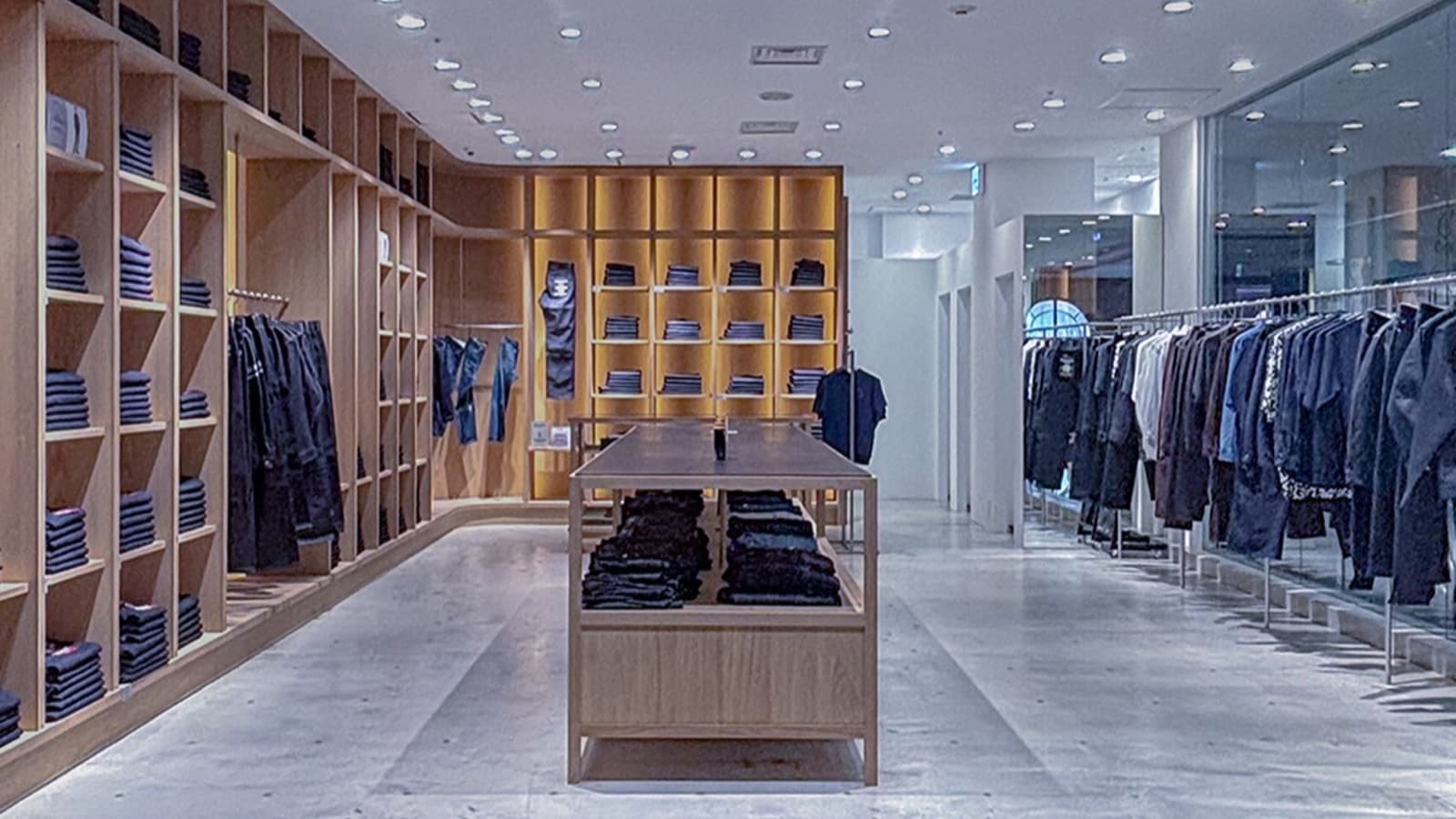
36 shops from 24 makers and retailers, across seven neighborhoods. Each one labelled by kind, from brand stores selling their own line to multi-brand specialists for comparing houses, reproduction houses, and indigo and design stops.

42 pre-owned luxury and vintage shops across 10 neighborhoods. Where the authenticated bags are, where the vintage racks run deepest, and how to shop it tax-free.
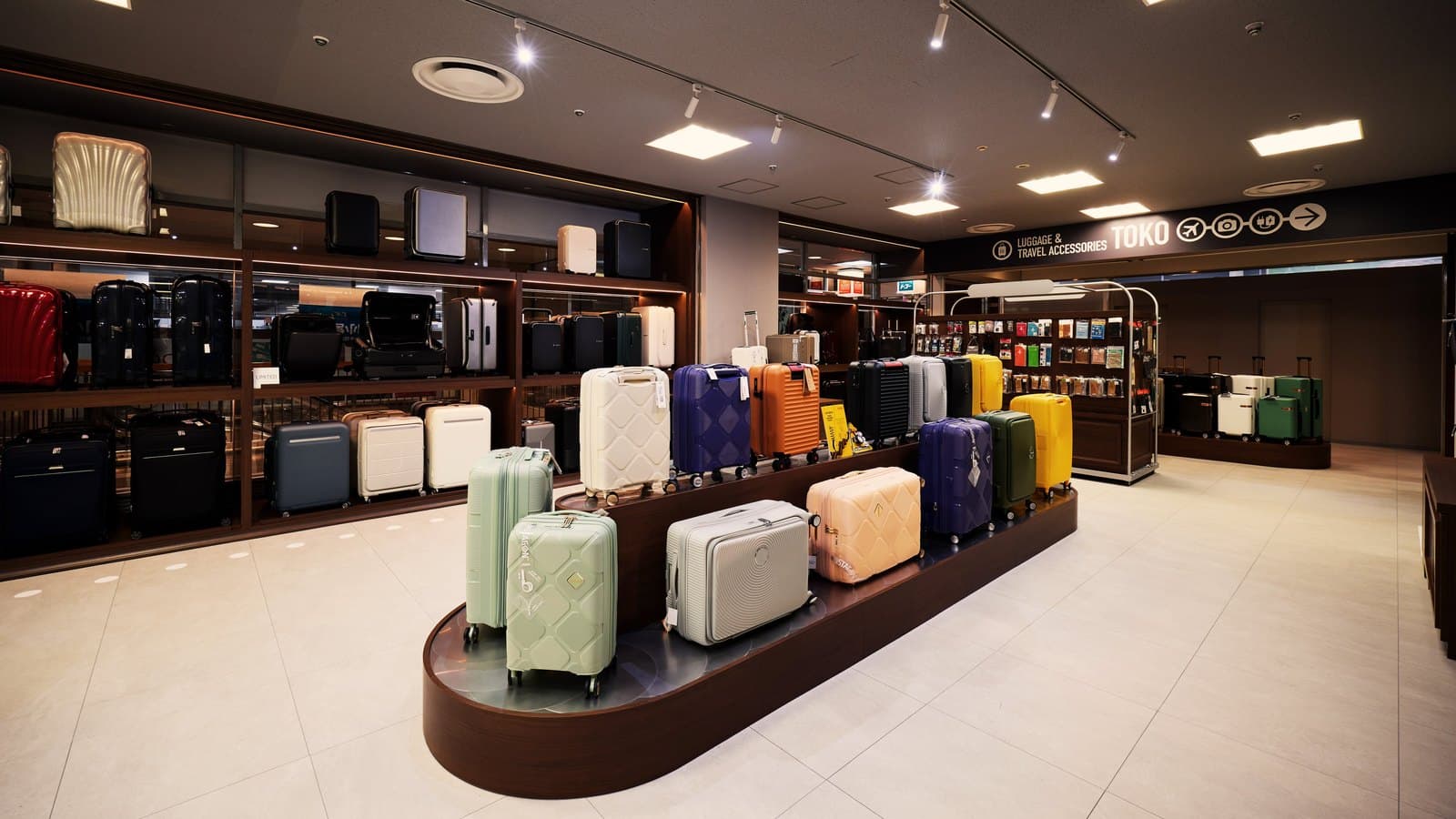
22 places to solve the problem every Tokyo trip creates, across eight neighborhoods. Value suitcase specialists, the stores that carry cases on an upper floor, a multi-brand shop for comparing everything at once, and two repair counters.
We track what locals and critics actually rate, then send the guides worth planning a trip around. No spam, unsubscribe anytime.