
1
rated modestly.
Minamiōtsuka
Open shelterWorking shelterOtsukaAdoption-led
- A large-scale rescue cat shelter in central Tokyo.
- Offers direct cat adoption from the facility.
- Focuses on animal welfare rather than a typical cat cafe experience.

Sixteen places where animals are waiting for homes and visitor fees support their care. You probably cannot adopt as a visitor, but you can help fund their food, medical care and path to a permanent home.
Last updated
Tokyo has around three hundred animal cafes, and they are not one kind of business. At one end are rescue cafes and open shelters, where the animals are waiting for homes and admission funds their care. At the other are exotic cafes built around owls, hedgehogs, capybara and fennec foxes, which a welfare charity now asks visitors to avoid and which a 2025 study of 79 such venues, assessing 231 animals, scored poorly across every group. This guide covers the first kind, sixteen rescue led places, mostly cats, with three that take dogs. The format exists because much urban rental housing here bars pets, so the cafe stands in for owning an animal, and rescues pointed it at rehoming. Adoption follows each rescue’s own criteria and usually needs a local address, so as a visitor you are supporting the work rather than taking anyone home. For the shopping day around it, the gachapon guide covers the same streets. Checked against the venues’ sites on August 31, 2026.
Best For...
Best for seeing the actual work
Tokyo Cat Guardian, Otsuka
Best if you are sightseeing
Cat Cafe Asakusa Neko-en
Best for a dedicated rescue-dog visit
Hogoken Cafe, Tachikawa
Best for a quiet hour
necoma, Gakugei-Daigaku
1 location·Otsuka
Tokyo Cat Guardian is a rescue organization that lets the public in, rather than a cafe that happens to work with a rescue. That distinction changes the visit, because the room is arranged around the cats and the adoption process rather than around customers, and it reads as a working shelter because it is one. Admission is a requested donation rather than a standard door charge, and the organization works with public animal-welfare centers and has veterinary staff. Expect shelter rules, limited staffing and a setting organized around care and adoption rather than customer service.
rated modestly.
3 locations·Ushigome-yanagicho, Hikifune or Tachikawa
These venues make rehoming, rather than a rotating cast of purpose-bred pets, the reason the animals are there. Rescue dogs and cats can both arrive with medical or behavioral needs, so the difference is not species but circumstance, and these three are particularly likely to be caring for animals released from breeding operations, public animal-welfare centers or multi-animal homes, which takes time before rehoming. Anella Cafe is run by a rescue organization and takes dogs and cats, cats&dogs cafe in Mukojima houses cats from the community or public centers and dogs from centers or hoarding cases, and Hogoken Cafe is a permanent adoption venue for rescue dogs. One thing to check first is that Anella’s Shinjuku shop closes on September 13, 2026 and moves to Yotsuya-Sakamachi, so confirm the address before traveling. Hogoken is in Tachikawa, well outside the 23 wards, so treat it as a deliberate trip.

rated highly.

rated modestly.

rated modestly.
4 locations·Ochanomizu, Asakusa, Ikebukuro or Shin-Okubo
These four sit close enough to a normal tourist route to drop into an afternoon without a special trip. Neco Republic is a rescue network that states its aim as ending the euthanasia of cats in Japan, and its Ochanomizu and Ikebukuro rooms are the clearest illustration of what the entry fee is for. Asakusa Neko-en is a long-running rescue a few minutes from Senso-ji, which makes it the single easiest substitution on this page, since it is walking distance from several of the exotic cafes this guide leaves out. Bakeneko sits over near Shin-Okubo and works on socialising former strays.

rated highly.

rated well.

rated highly.

rated well.
4 locations·Gakugei-Daigaku, Ebara, Komazawa or Yoyogi-Koen
Four smaller rescue cafes in residential west Tokyo. They generally admit fewer people at once, though room size, retreat space and supervision matter more than visitor count alone. necoma pairs adoption work with a gallery-like room and caps admission, Meooow! operates as an adoption-focused rescue cafe with published resident and graduate histories, Komaneko is adoption-led with cafe income supporting the cats, and Catio is reservation-only and takes cats from abandonment, street and multi-animal backgrounds. Watch whether a cat can sleep or withdraw without being followed.

rated very highly.

rated very highly.

rated very highly.

rated exceptionally.
4 locations·Nakano, Itabashi, Nerima or Kasai
Neighborhood operations worth choosing for their rescue work rather than as convenient stops. Miagolare in Nakano publishes a detailed history of its adopted graduates, CAT’S INN TOKYO in Itabashi publishes both its adoption criteria and its income and expenditure, Ekoneko is produced by Sakuradai Pet Clinic’s company, and Necot in Edogawa grew out of local community-cat work and says shop profit supports stray rescue and medical costs. Check schedules and reservation requirements before making the trip.

rated highly.

rated very highly.

rated modestly.

rated well.
How we chose these places
Every venue has a publicly documented rescue or adoption purpose, whether that is current adoption listings, a named rescue or veterinary relationship, or a stated use of visitor revenue. We have not inspected them, so inclusion is not a welfare certification.
You are funding, not adopting
Japanese adoption requires home checks and a permanent address, so a visitor pays for the cats’ care rather than taking one home. That is the honest reason to go.
Book the small ones
Several of these are single rooms run by a handful of people, and they hold fewer visitors at once than a commercial cat cafe.
Let the animal end the interaction
A better-run venue lets cats and dogs move away, sleep and use visitor-free areas without being followed. Do not wake, corner, lift or repeatedly approach an animal that withdraws.
Rescue is a claim worth checking
A cafe with a couple of adoptable cats is not the same as a rescue. Look for whether the cats are listed for adoption and whether an organization is named.
Almost none of this is in English
One venue, Miagolare, publishes prices and house rules in English. Asakusa Neko-en has a short English section. Nobody advertises English-speaking staff, so assume the visit runs in Japanese and that a translation app is the tool that gets you through it.
Book direct where you can
Seven take reservations, most through their own systems, and Bakeneko books through HotPepper. None is sold as a packaged ticket by a travel platform, so booking direct keeps the transaction between you and the rescue.
Bring cash and socks
Small rescues are frequently cash-only, and most ask you to remove shoes and sanitise your hands before going in.
In practice, no. Japanese rescues require home checks and a permanent local address, and many also set conditions on hours left alone and household composition. Visiting supports the cats financially rather than rehoming one.
Because the evidence against them is strong enough to act on. Wild Welfare launched a public pledge in February 2026 asking visitors not to patronise exotic animal cafes, naming owls, otters, capybaras and fennec foxes. A 2025 study assessed 231 individual animals across 79 Japanese exotic animal cafes and found low welfare scores across every taxonomic group it looked at, and a separate peer-reviewed study of nine owls in two Tokyo cafes found higher stress markers on open days, aversion or avoidance in eight of the nine birds and no affiliative behavior toward people. That owl study was small and preliminary, so it describes the practice rather than proving anything about a specific venue.
Any business displaying animals must register and follow national and local animal-handling rules, so nothing here is unregulated. What differs is the species-specific protection. Dogs and cats are subject to night-display restrictions, with an exception permitting certain adult cats until 22:00 where they can freely reach rest facilities. Owls, hedgehogs, capybara and micropigs are not covered by those dog-and-cat provisions, and Japan’s protections have been criticised as inadequate for wild species.
A rescue cafe is a cafe whose resident cats are available for adoption. An open shelter is a rescue operation that lets the public in. Tokyo Cat Guardian is the second kind, which is why it feels less like a cafe and rates differently from one.
Rules vary and several set a minimum age or require an adult per child, partly because cats between homes are often nervous. Check the individual venue rather than assuming, since these are small operations setting their own policies.
The format arrived from Taipei, where cat cafes began in 1998, and the first Japanese one opened in Osaka in 2004. It spread because much urban rental housing here does not allow pets, so the cafe stands in for owning an animal instead of being a coffee shop with cats added. Rescues then adopted that model as rehoming infrastructure, which is the part that does not travel, because the visit is the funding. It also sits inside a national shift. Ministry of the Environment figures put dogs and cats euthanised at 161,847 in the 2012 financial year and 9,017 in 2023, and the growth of private rescue groups and volunteer rehoming is one of the named reasons. These sixteen are small operators inside that change rather than curiosities.
Yes, but plan for it. These are small rescues rather than tourist businesses, and only Miagolare publishes practical visitor information in English, with Asakusa Neko-en carrying a short English section. None advertises English-speaking staff. Seven take bookings through an online form, which is far easier to get through with a translation app than a phone call, and the house rules are consistent everywhere, so sanitise your hands, do not pick the animals up, and let staff handle the door so nobody escapes.
Asakusa Neko-en is a few minutes from Senso-ji, Neco Republic has branches at Ochanomizu and Ikebukuro, and Bakeneko is near Shin-Okubo. Tokyo Cat Guardian in Otsuka and Catio near Yoyogi Park are short detours. The rest, in Setagaya, Meguro, Shinagawa, Nakano, Itabashi, Nerima, Edogawa and Tachikawa, are deliberate trips rather than add-ons.
Charging is usually by the half hour or hour and often includes a drink, and several rescues take donations separately from the entry fee. Prices move, so check the venue’s own page before traveling.
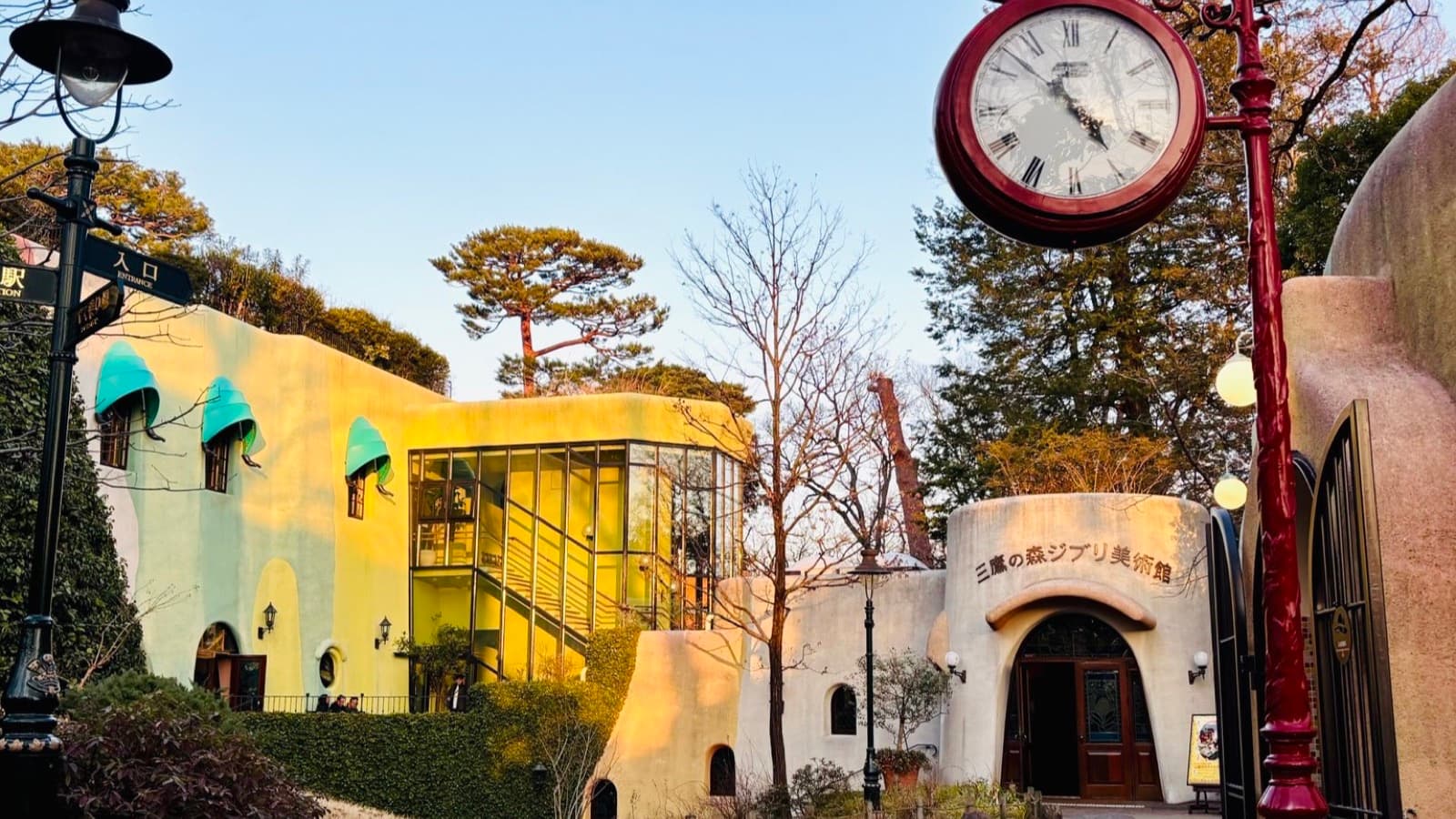
13 stops across 6 sections of Greater Tokyo. The museum in Mitaka and how its month-at-a-time tickets actually work, the Miyazaki-designed clock in Shiodome, the 1929 bathhouse Ghibli named as the inspiration for Spirited Away, the two authorised Totoro cream puff shops, and six featured official stores.
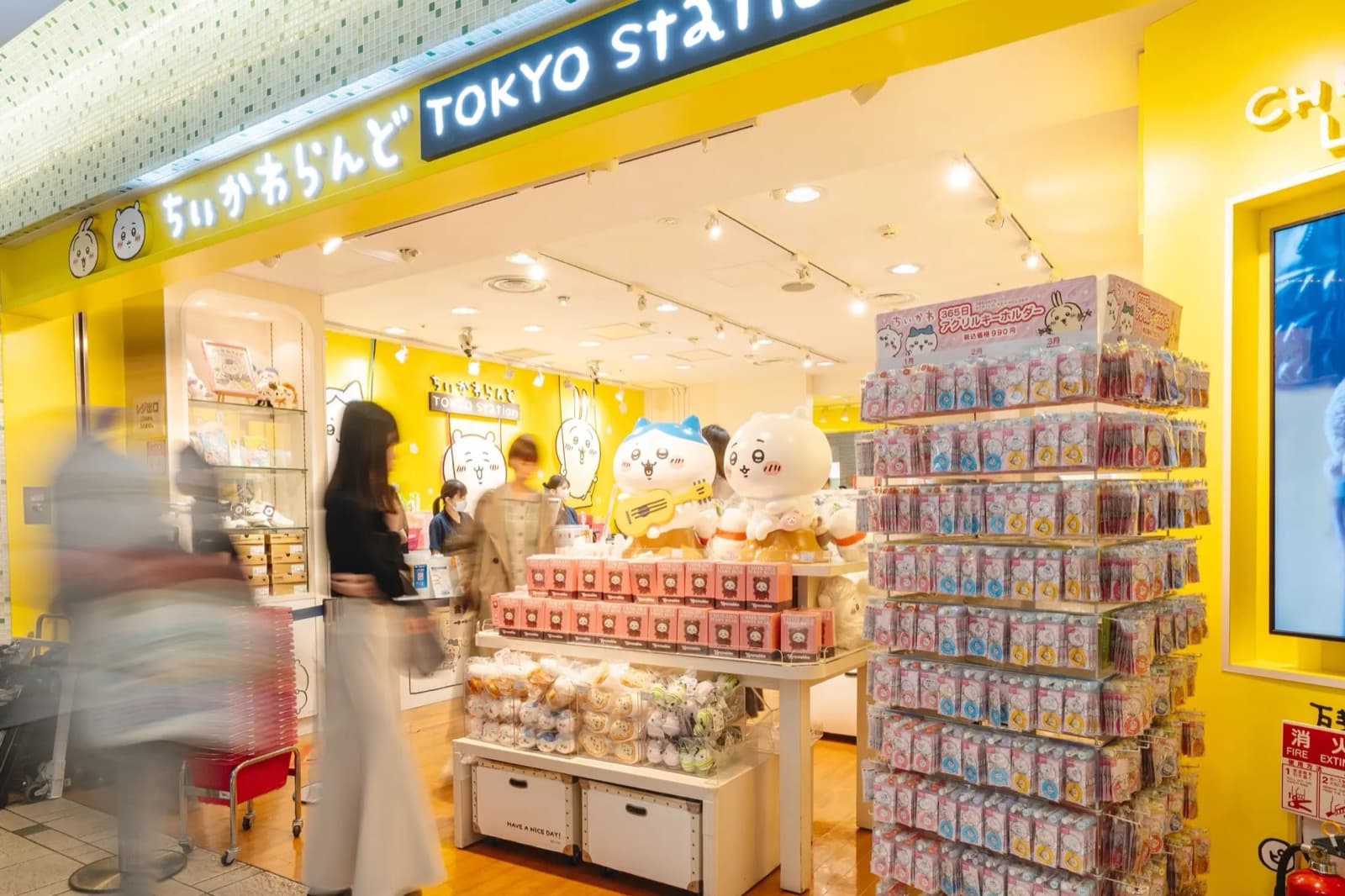
54 official character shops across nine Tokyo areas, from Chiikawa, mofusand and Rilakkuma to Kirby, Miffy, Snoopy and Ghibli goods. Where to shop, area by area.

36 hands-on craft studios across Asakusa, Kappabashi and Kuramae, covering 26 distinct crafts. Edo Kiriko glass, indigo dyeing, washi paper, kintsugi, rings and fragrance, with what you make, how long it takes and where to book.
We track what locals and critics actually rate, then send the guides worth planning a trip around. No spam, unsubscribe anytime.