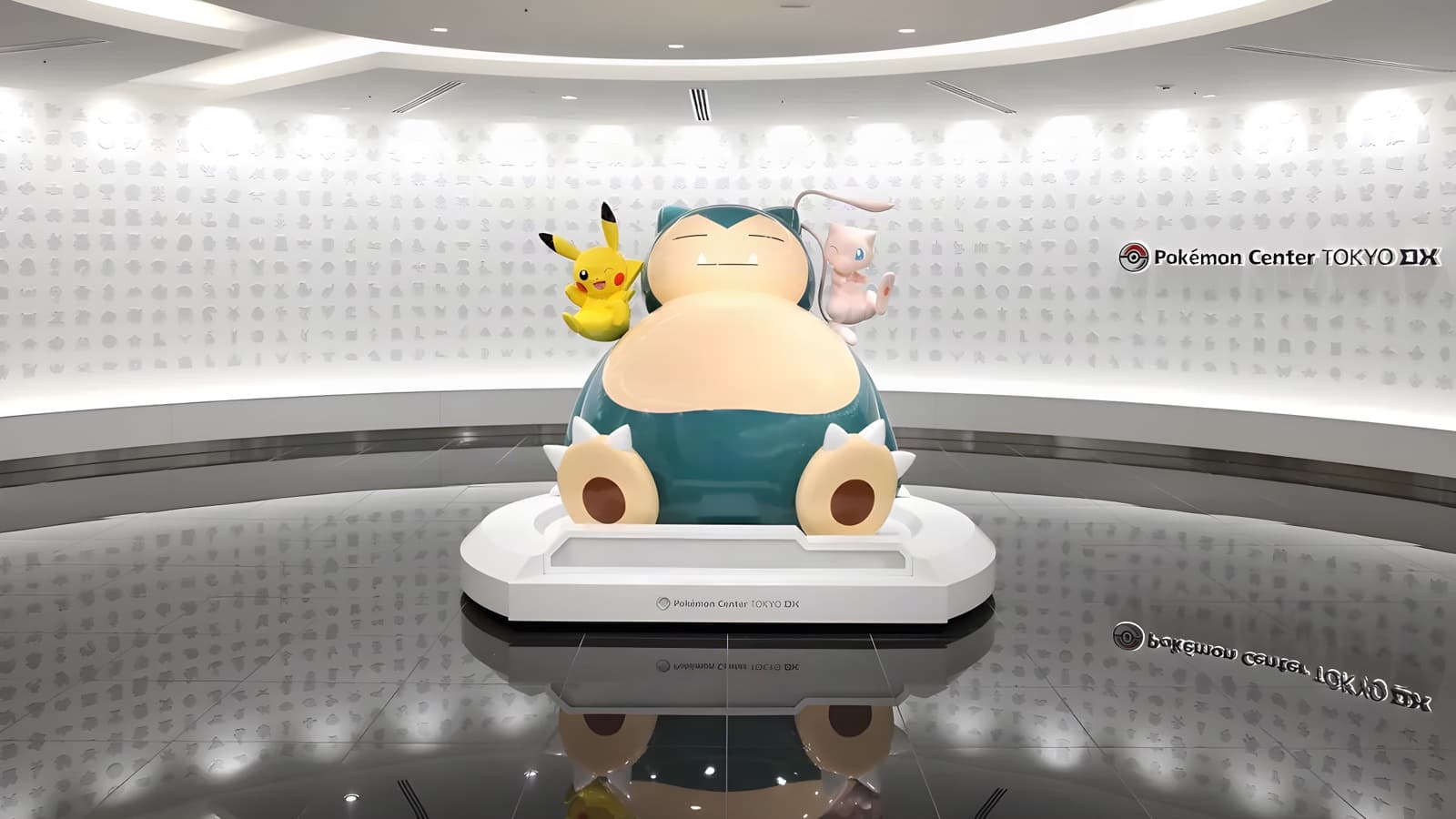
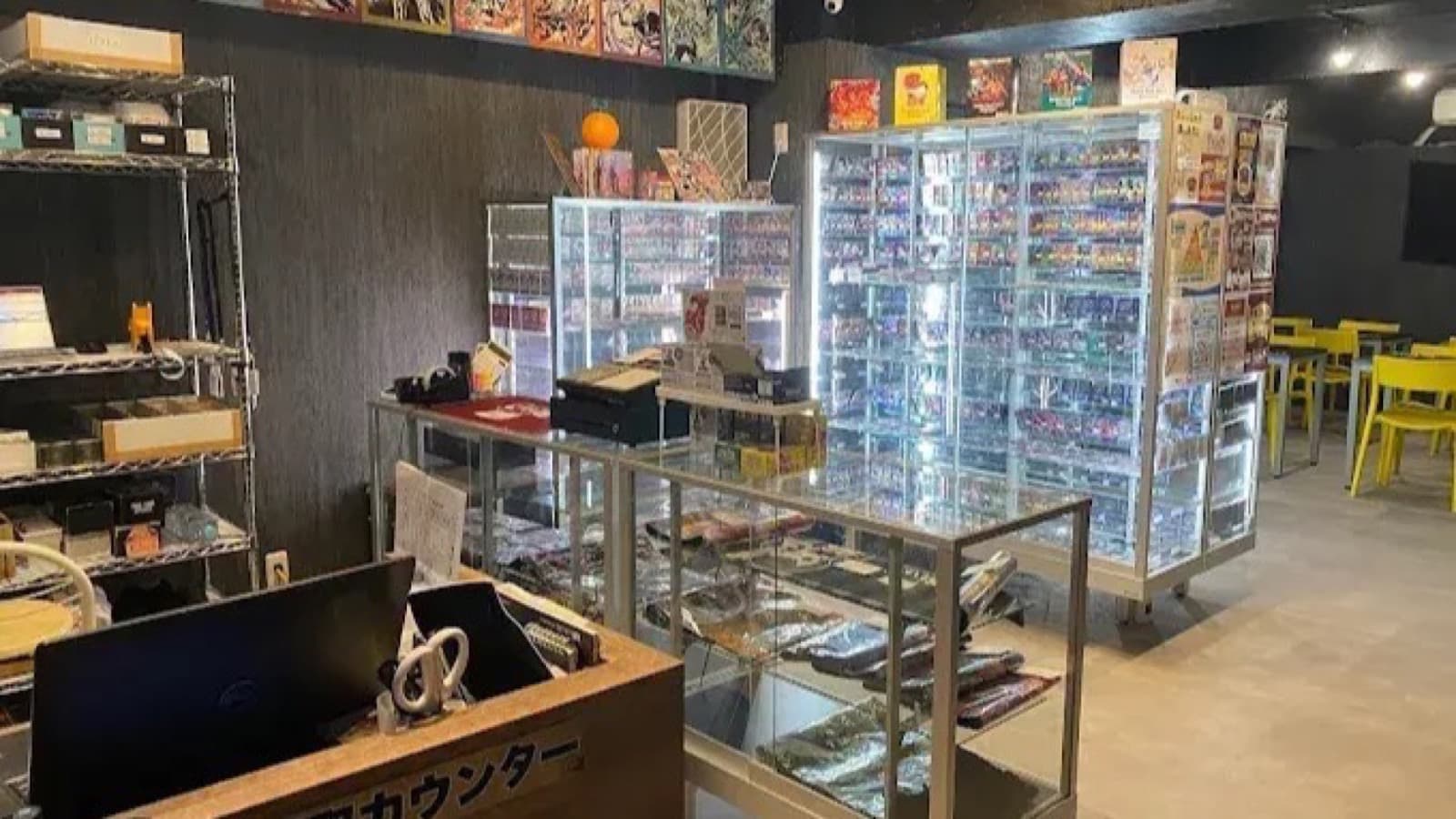
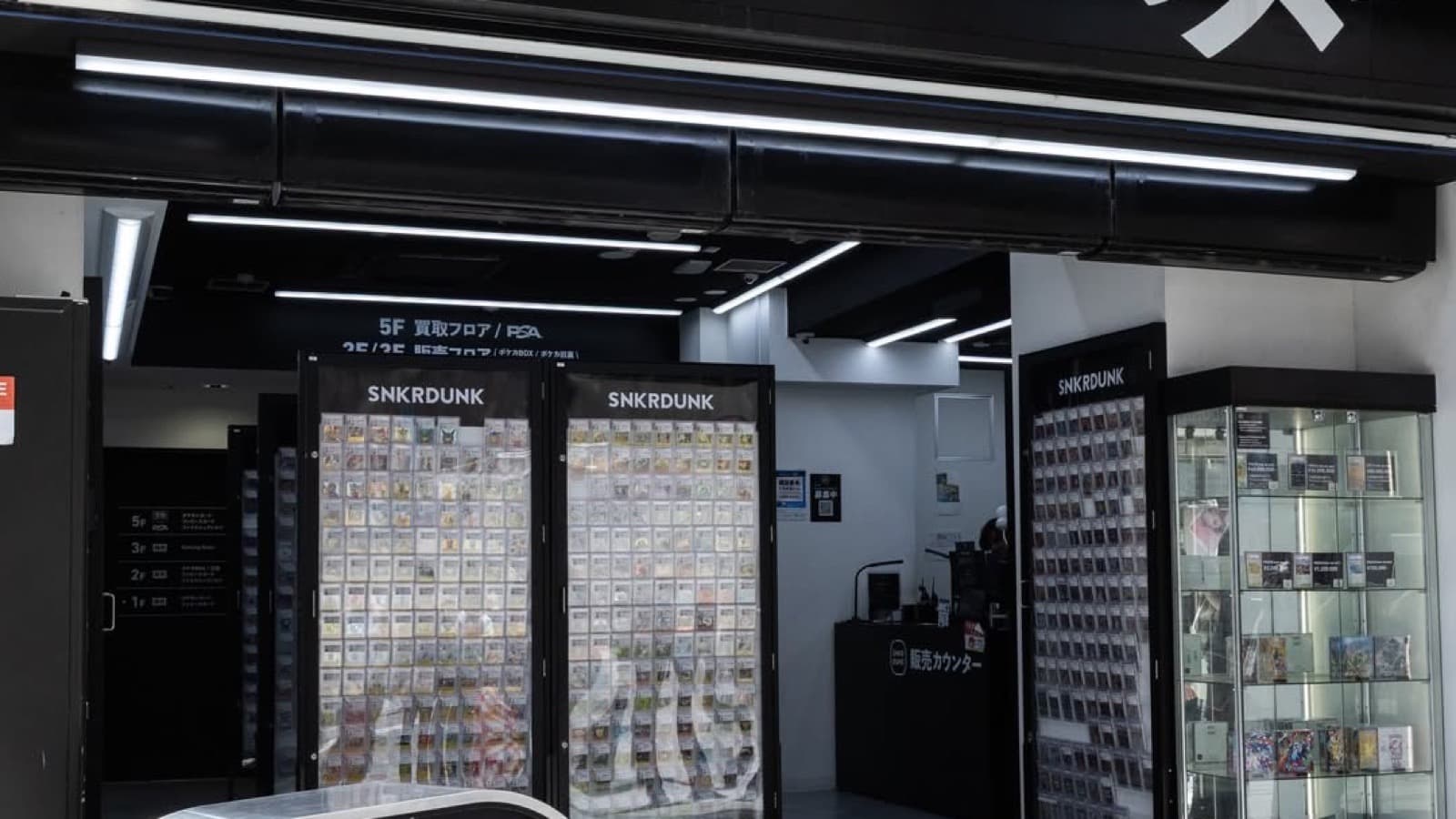
52 card-shopping stops across 6 neighborhoods, a curated selection from tax-free flagships to vintage specialists, mapped for the serious card hunter.
Last updated
52
Shopping Stops
6
Neighborhoods
2 days
Full Tour
Tax-Free
At Flagships
Tokyo is the densest Pokemon card market on earth. Akihabara alone holds more than a hundred shops, and no one needs all of them. This is a curated selection of the stops worth your time across six of the city's most useful shopping districts, from specialist card shops to vintage dealers, major chains and hobby complexes. It is built to help you compare stores and plan a route rather than treat every location as equally recommended. Inventory, prices, payment methods and purchase rules change often, so check the latest before making a special trip. Run the full city over two days, or cherry-pick the districts that fit your budget and time.
Update
Surugaya Akihabara TCG and Board Game has closed permanently. Its card stays below for reference, and the other thirty Akihabara shops in this guide are unaffected.
Best For...
Best Flagship
Hareruya 2
Jump to Hareruya 2
Best in Ikebukuro
LAMB
Jump to LAMB
Best Vintage
Mandarake Nakano
Jump to Mandarake Nakano
Best Sealed / Tax-Free
Yodobashi Akiba
Jump to Yodobashi Akiba
Area
Akihabara
Highest DensityEnglish OKTax-Free
31 locations·Akihabara Station (Electric Town Exit)
The densest card district on earth. Akihabara packs competitive flagships, graded-card specialists, Pokemon-only indies, big-box sealed stock and entire buildings where every floor is a different shop, all within a 15-minute walk of the station. Among the best English support and easiest price comparison in the city, so start here to learn what a card should cost.
Akihabara’s giant electronics store with a full hobby floor
The reliable tax-free stop for sealed Pokemon product
High-demand releases may carry purchase limits, ID checks or lottery rules that change by product, so check the in-store signage
English support and long hours
See It In Action
Ikebukuro
Card DistrictHigh-RatedCompetitive Play
6 locations·Ikebukuro Station (East Exit / Sunshine City)
Many collectors rate Ikebukuro over Akihabara for pure card variety and competitive play. Alongside the flagship Pokemon Center in Sunshine City (temporarily closed through August 23, 2026, reopening August 24) sits a tight cluster of top-rated specialists a minute from the station, several of them Pokemon-dedicated.
Good mid-tier hunting away from the busiest counters
See It In Action
Shinjuku
Under the RadarGraded SinglesHigh Ratings
3 locations·Shinjuku Station (East Exit)
Shinjuku is the underrated locals scene, with two of the highest-rated card shops in Tokyo sit on upper floors here with almost no tourist crowd, alongside a grading-focused chain branch. Quiet browsing and sharp singles.
Seventh floor of Shinjuku Marui Annex, known for condition grading
Reliable for mid-tier SAR and full-art singles
See It In Action
Nakano
VintageSecondhandOlder Sets
3 locations·Nakano Station (Nakano Broadway)
Nakano Broadway is the vintage capital of the route. Its secondhand shops carry older sets, sealed vintage product and Japanese exclusives at genuine secondhand prices, the kind of inventory that does not appear in Akihabara chains.
Shibuya does not match Akihabara for density, but its indie specialists earn strong ratings, split between current-meta and vintage. The official Pokemon Center sits a short walk away on the 6th floor of PARCO.
A quiet finish to a city tour. A local retro-and-cards shop near Hamamatsucho and a gallery-grade specialist in Roppongi bracket the ward, both low on tourist traffic and easy to reach heading south toward Haneda.
Gallery-style curation of graded, high-value Pokemon cards in Roppongi
Almost no tourist foot traffic, an easy setting for a high-value purchase
See It In Action
Pro Tips
Split the tour across two days
Day 1: Akihabara (half a day on its own) then Ueno or Ikebukuro. Day 2: Ikebukuro, Shinjuku, Nakano (Broadway closes by 8 PM), Shibuya, and Minato as an optional evening leg. Akihabara and Ikebukuro each deserve a few unhurried hours.
Carry some cash, confirm cards
Card acceptance varies. The big chains (Hareruya 2, BIGMAGIC, Card Kingdom, Yodobashi) take foreign cards, but some smaller shops prefer cash or may not accept foreign cards. Carrying ¥10,000-30,000 covers most smaller purchases, and high-value buyers should confirm payment options before visiting.
Buy sealed at the big-box, singles at the specialists
For sealed booster boxes and special sets, Yodobashi Akiba is the reliable tax-free option with English support. For singles, vintage and graded cards, the specialist shops are where the depth and the deals are.
English support varies by neighborhood
English support is most predictable at large tourist-facing stores, and Akihabara tends to have the most English-speaking staff. At smaller shops it can depend on the staff member, but Google Translate camera mode on the card-case glass reads rarity labels, condition notes and set codes well enough for basic purchases.
Avoid release Fridays everywhere
New Pokemon sets drop on Fridays across Japan. Popular releases can sell out quickly, and secondary-market prices are often highest the first weekend after a major release, with lines and thin stock at many shops. Monday through Wednesday gives the calmest hunt.
Frequently Asked Questions
Both are essential. Akihabara has the highest raw density and the best English support and pricing. Ikebukuro rivals it for variety and competitive play, with several top-rated Pokemon-dedicated specialists a minute from the station plus the flagship Pokemon Center. Serious collectors do both; if you only have time for one, start in Akihabara.
Yodobashi Akiba is the most reliable tax-free stop for sealed product, with English support and long hours. Chain specialists like Hareruya 2, BIGMAGIC and Card Kingdom also carry sealed. The small indie shops focus on singles rather than sealed.
PGD Collectibles in Akihabara and Trading Card Gallery Roku in Roppongi both specialize in graded, high-value Pokemon singles. The Roppongi gallery is the calmer, lower-traffic option for a significant purchase.
Japanese. Tokyo shops sell almost exclusively Japanese-print cards, and they are typically prettier (better holo finishes, cleaner borders), printed in smaller runs and cheaper per card than their English counterparts. Many collectors come to Japan specifically to buy Japanese versions.
It depends on what you are buying. Many major stores accept cards, but some smaller shops prefer cash or may reject certain foreign cards. Carrying ¥10,000-30,000 in cash is useful for smaller purchases, while high-value buyers should confirm payment options before visiting and can top up at a 7-Eleven ATM.
The big chains and Yodobashi Akiba handle tax-free on spends over ¥5,000 with a foreign passport. Through October 31, 2026 that comes off at the register; from November 1, 2026 Japan moves to a refund model, where you pay the tax-inclusive price and it is returned after customs confirms your departure, with the method varying by store. Most small indie shops are not registered for tax-free either way, so bundle qualifying purchases at the chains.