
1
Shinsoku Akihabara 4
(シンソク秋葉原4号店)rated exceptionally.
Sotokanda
Block oripaTop rated
- Highly rated when last checked
- Creators have filmed block oripa here

What oripa are, how to read the signs, and 29 Tokyo shops with recently verified packs. Akihabara is the spot visitors already know and Ikebukuro is the one many shoppers miss.
Last updated
Oripa, short for original pack, are randomized card packs a shop assembles itself rather than the card publisher. You pay a fixed price for one entry, take a sealed pack from a box or machine, and the contents inside are whatever that shop chose. Because each shop sets its own price, entry count and top prize, two packs costing the same can offer very different odds, so it is worth checking the price per entry, the total entry count and what is actually guaranteed before you pay. PSA10確定 promises a PSA 10 card, whereas a graded card on display may only be the top prize. Across the 29 shops here, packs we saw ran from about 200 yen to the tens of thousands. Akihabara is the location most visitors already know, though Ikebukuro has nearly as many shops and far less English language coverage. Treat oripa as entertainment rather than a cheap route to cards, and for specific cards or sealed product, use our Tokyo Pokémon TCG guide.
Start with the gamble, not the map
29 shops in 4 areas
15 locations·Akihabara on the JR Yamanote, Sobu and Hibiya lines. Suehirocho and Kanda serve the northern and southern edges
Fifteen of the twenty nine shops in this guide sit inside a short walk of Akihabara station, which makes this the densest oripa ground we found and the area visitors head to first. In our research the range here was the broadest we saw from 500 yen impulse packs at one end to PSA graded guarantees and packs built around vintage Japanese cards with the original back design at the other. Several Japanese language creators point newcomers away from the biggest, busiest shops toward smaller ones a street back, so it is worth reading recent reviews before committing to an expensive pack.
rated exceptionally.

rated exceptionally.
rated exceptionally.

rated exceptionally.

rated well.

rated modestly.

rated modestly.

rated modestly.

rated modestly.
rated modestly.


rated highly.
rated highly.

See It In Action
11 locations·Ikebukuro east exit. Most shops in this section are about five to ten minutes on foot
Eleven shops sit within a few minutes of each other east of Ikebukuro station, and it is the group English language coverage most often misses. None of the English language posts in our research sample featured an Ikebukuro oripa shop, while Japanese language creators named as many shops here as in Akihabara. That is a difference in coverage, not a claim about who shops where. The character is different too as prices here skew low, with 300 to 1,000 yen packs the norm, and the cluster includes TCG Binks, one of Tokyo's dedicated One Piece card shops. For the wider One Piece card scene beyond oripa, see the Tokyo One Piece TCG guide.

rated exceptionally.

rated exceptionally.
rated modestly.

rated modestly.

rated modestly.
rated modestly.


rated exceptionally.
rated exceptionally.
rated modestly.
See It In Action
1 location·Shibuya, in the Udagawacho block northwest of the Scramble
One shop, a short walk from Shibuya Scramble and the only entry in this guide outside the two main neighborhoods that sits in a district most already visit. It is a compact second floor card shop on Udagawacho with a near perfect rating, and it is the easiest oripa stop to fold into a day you were spending in Shibuya anyway.

rated exceptionally.
See It In Action
2 locations·Kita-Senju for Senjunakacho, Takadanobaba on the Yamanote line
Two shops outside the Akihabara and Ikebukuro areas, included because creators single them out rather than because of where they sit. Both need a deliberate trip.
rated highly.

rated modestly.
See It In Action
Read the price as the cost, not the odds
A 1,000 yen oripa is a 1,000 yen purchase, and it is randomized rather than discounted. A shop may show the headline prizes and the total number of entries without publishing a full probability table. Decide what you are comfortable spending before you start, and treat it as entertainment rather than a cheap route to cards.
Cheap packs are the norm, not the consolation
In the creator posts we reviewed, most filmed purchases were 1,500 yen or less and the cheapest was around 200 yen. Those are observed examples rather than fixed prices, and shops do run packs into the tens of thousands. Starting at the bottom of a shop's range is the normal way to do this, not a lesser version of it.
Check what the pack guarantees before you pay
Look for PSA10確定, which means one PSA 10 card is guaranteed. A graded card shown on the display is not the same promise: it may only be the top prize. Other numbers on the sign are usually the price, the entries remaining or the total entries, so use image translation or ask staff rather than reading a number next to PSA as the grade.
Three formats, three ways to pay
Oripa appear in three physical forms. Individual packs sold over the counter, thicker block oripa holding several cards at a higher price, and packs or redemption tickets dispensed by a vending machine. The machine format is the easiest without Japanese, because the price and the entry count are printed on the machine itself.
Learn the essential signage
Oripa signs repeat the same terms. 1口 is one entry, 全100口 means one hundred entries in total, 残り口数 is how many are left, 当たり and 大当たり are the prize and the top prize, PSA10確定 guarantees a PSA 10 card, and ラストワン賞 is a prize for taking the final entry. Recognising those tells you most of what a pack is offering.
Ikebukuro is the underrated half
Akihabara is denser and easier to reach, but Ikebukuro has eight shops within five minutes of each other and prices that skew lower. If Akihabara feels crowded or picked over, the east exit at Ikebukuro is the better second stop.
Ratings vary more than you would expect
Ratings vary considerably between these shops and change over time. Read the most recent reviews before a large purchase rather than relying on the average shown here.
Oripa is short for original pack. It is a mystery card pack put together by an individual shop rather than by the card publisher. You pay a set price, take a sealed pack, and the contents are whatever that shop chose to include. Because each shop makes its own, the same price buys a different gamble at every store.
In the creator posts we reviewed, prices started around 200 yen and most filmed purchases were 1,500 yen or less. Those are observed examples, not a market survey: shops also run packs into the tens of thousands, particularly those guaranteeing a graded card. Check the price per entry on the day rather than relying on a published range.
Treat them as entertainment rather than value. A shop may advertise its top prizes and total entries without publishing full odds, so you are buying a randomized outcome, not a discount on cards. Pick a price you are comfortable spending and treat anything good as a bonus.
Akihabara, with fifteen of the twenty nine shops in this guide within a short walk of the station. Ikebukuro is a close second with eleven, east of the station, and receives far less English language coverage despite comparable density. This guide is a verified selection rather than a complete count of every seller in the city.
Not usually. The transaction is simple: choose a pack, pay, open it. Signage explaining contents and guarantees is often Japanese-only, so the larger Akihabara shops and the vending-machine formats are the easiest starting points. Learning the handful of terms in the signage tip above covers most of what you need.
No. Gachapon are capsule toy machines operated by manufacturers with published product lines, and they have their own Tokyo gachapon guide. Oripa are card packs assembled by the shop selling them, so the contents, the odds and the top prize are all decided in-store.
Prices observed across the creator posts reviewed for this guide, not fixed store prices. Stock rotates, so treat these as the shape of the market rather than a menu.
| Band | What it usually is | Seen at |
|---|---|---|
| ¥200 to ¥500 | Impulse packs. The commonest tier by some distance | OneHappy, Ninnin, Card Box, Poketown, Clove Base |
| ¥550 to ¥1,000 | Standard single-entry packs | Ryusei no PAO, Dragon Star, LAMB, Hareruya 2 |
| ¥2,000 to ¥3,300 | Higher-tier packs and One Piece oripa | Card Rush, TCG Binks, Furuichi |
| ¥5,000 to ¥15,000 | Fukubukuro-style and PSA-guaranteed packs | Hareruya 2, Fukufuku Akihabara |
| Tens of thousands | High-value PSA grab-bags, filmed more than bought | Card Collect HANARE, cardéria |
How the pack physically reaches you, which decides how much Japanese you need.
| Format | How it works | Japanese needed |
|---|---|---|
| Counter pack | You pick from a box at the register and pay per entry | Some. Terms are usually on a card by the box |
| Block oripa | A thicker sealed block holding several cards, priced higher | Some. Ask staff what the block guarantees |
| Vending machine | Price and remaining entries printed on the machine | Little. The easiest format without Japanese |
Six terms cover most of what an oripa sign is telling you.
| Japanese | Meaning |
|---|---|
| 1口 | One entry, or one pack |
| 全100口 | 100 entries in total |
| 残り口数 | Entries remaining |
| 当たり / 大当たり | Prize / top prize |
| PSA10確定 | One PSA 10 card guaranteed |
| ラストワン賞 | A prize for taking the final entry |
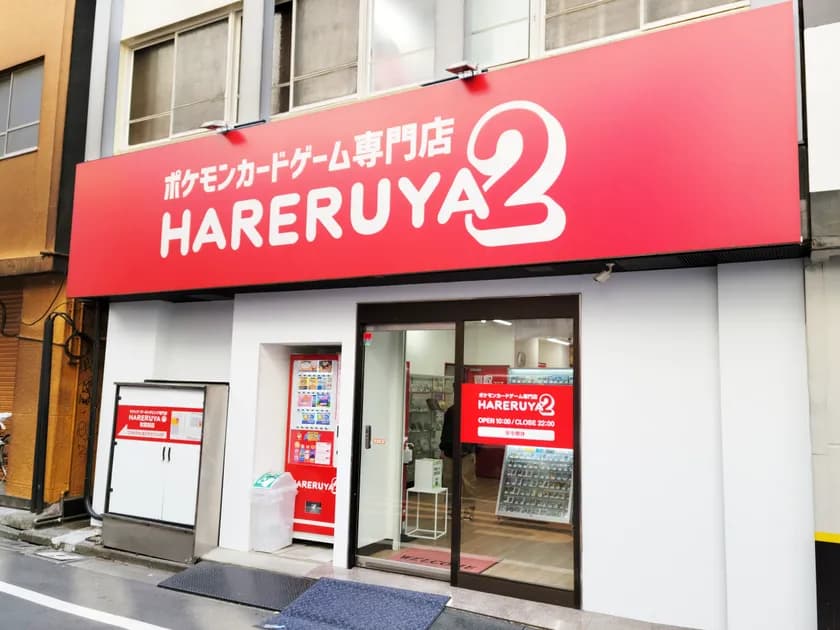
52 card shops across 6 neighborhoods. Every stop worth making, from tax-free flagships to vintage specialists, mapped for the serious card hunter.
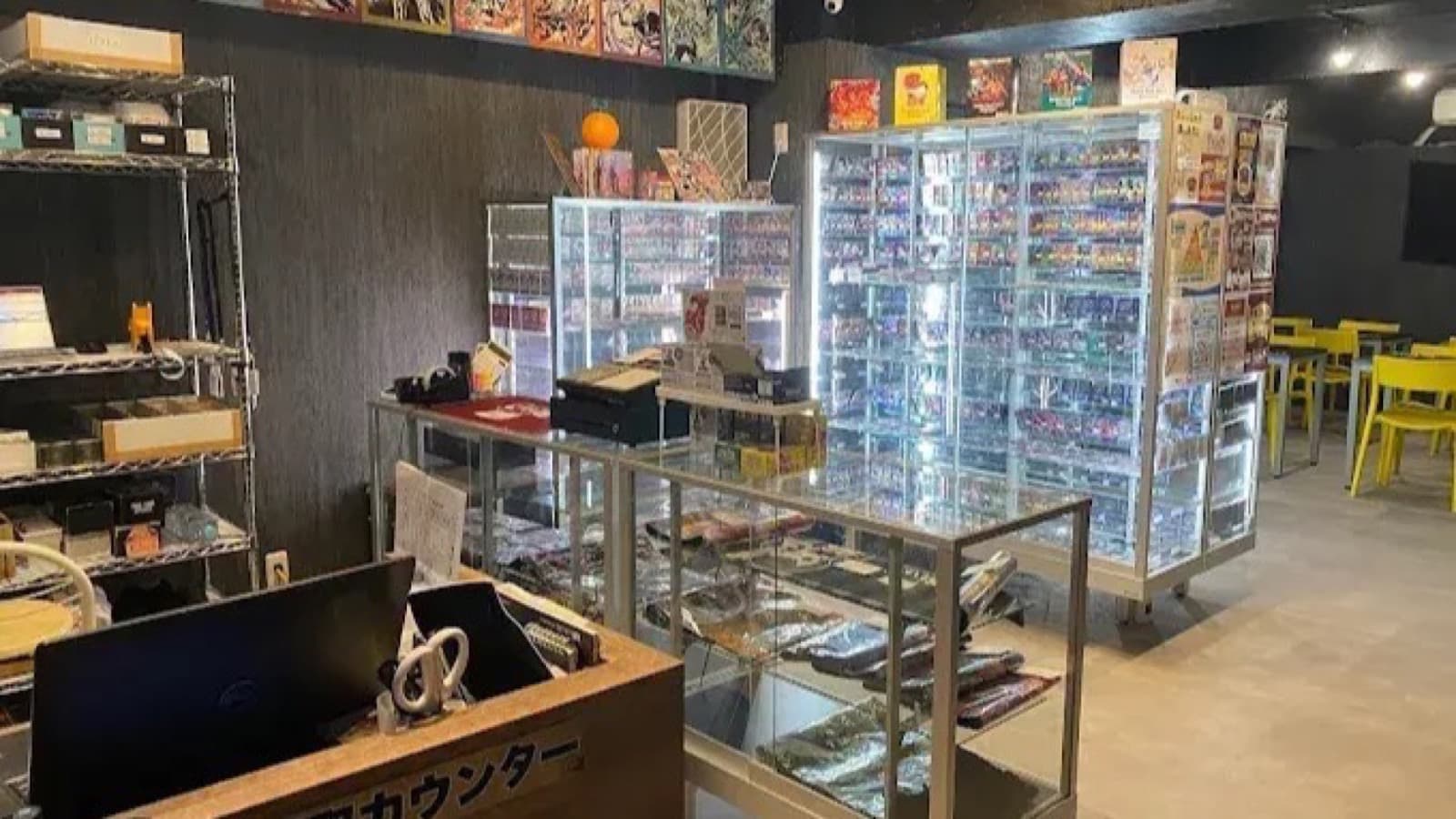
46 shops across eight neighborhoods, sorted by what they actually are. The three official Bandai Namco shops, six that sell One Piece and nothing else, the merchandise stores where cards arrive by lottery, and the card shops that stock it alongside everything else.
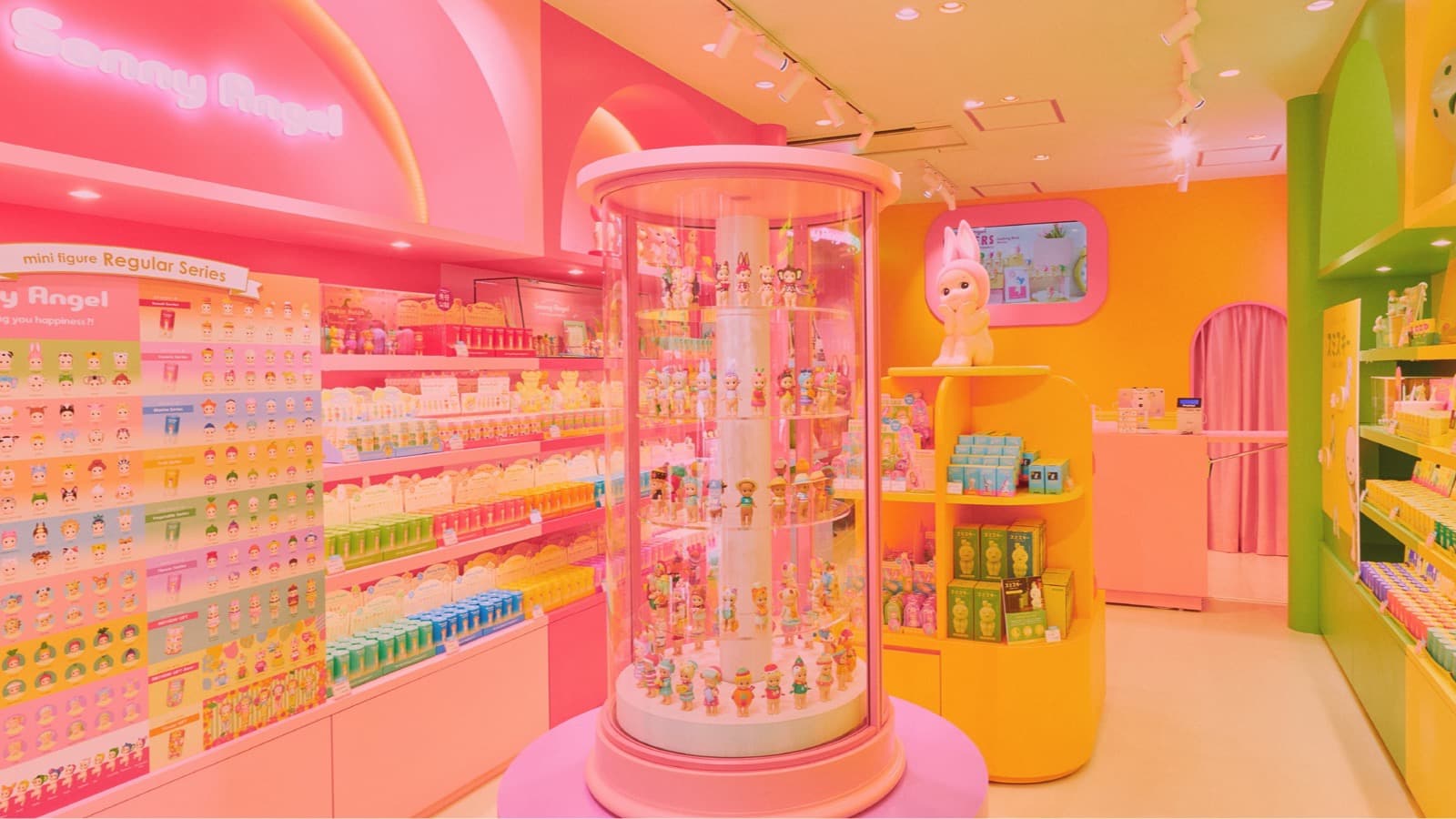
28 shops across eight areas, split by what you are actually walking into. The dedicated blind-box destinations that carry current releases, the variety chains that stock them beside everything else, and the two toy floors deep enough to lose an hour in.
We track what locals and critics actually rate, then send the guides worth planning a trip around. No spam, unsubscribe anytime.