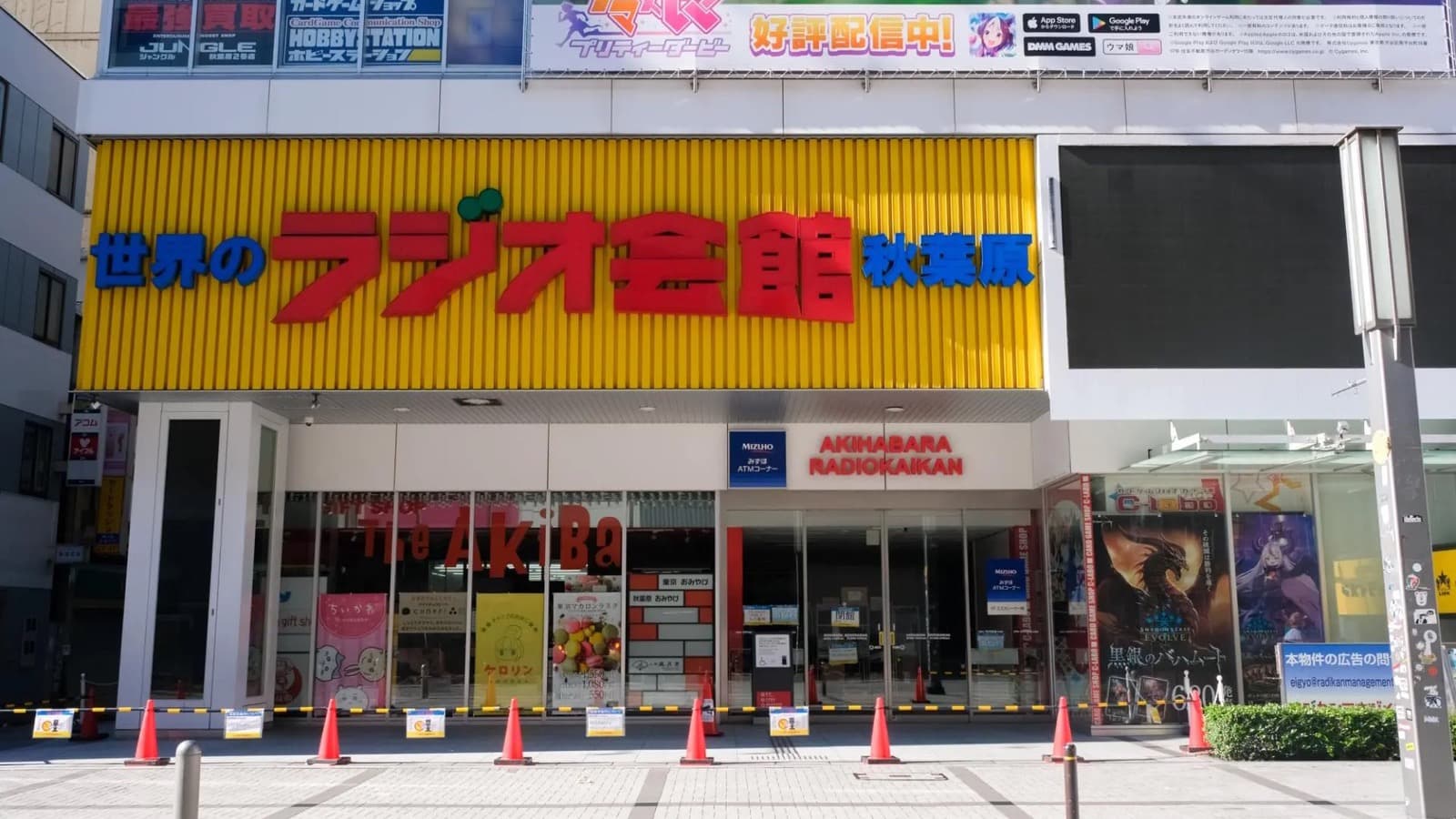
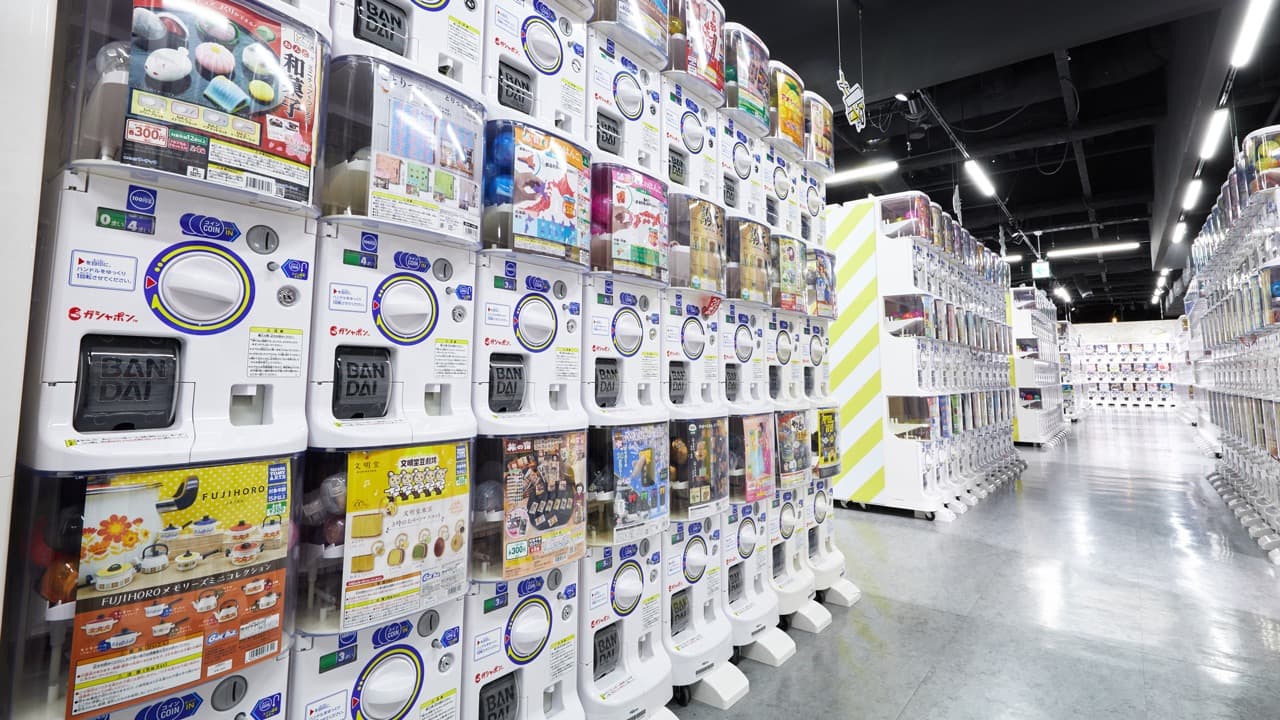
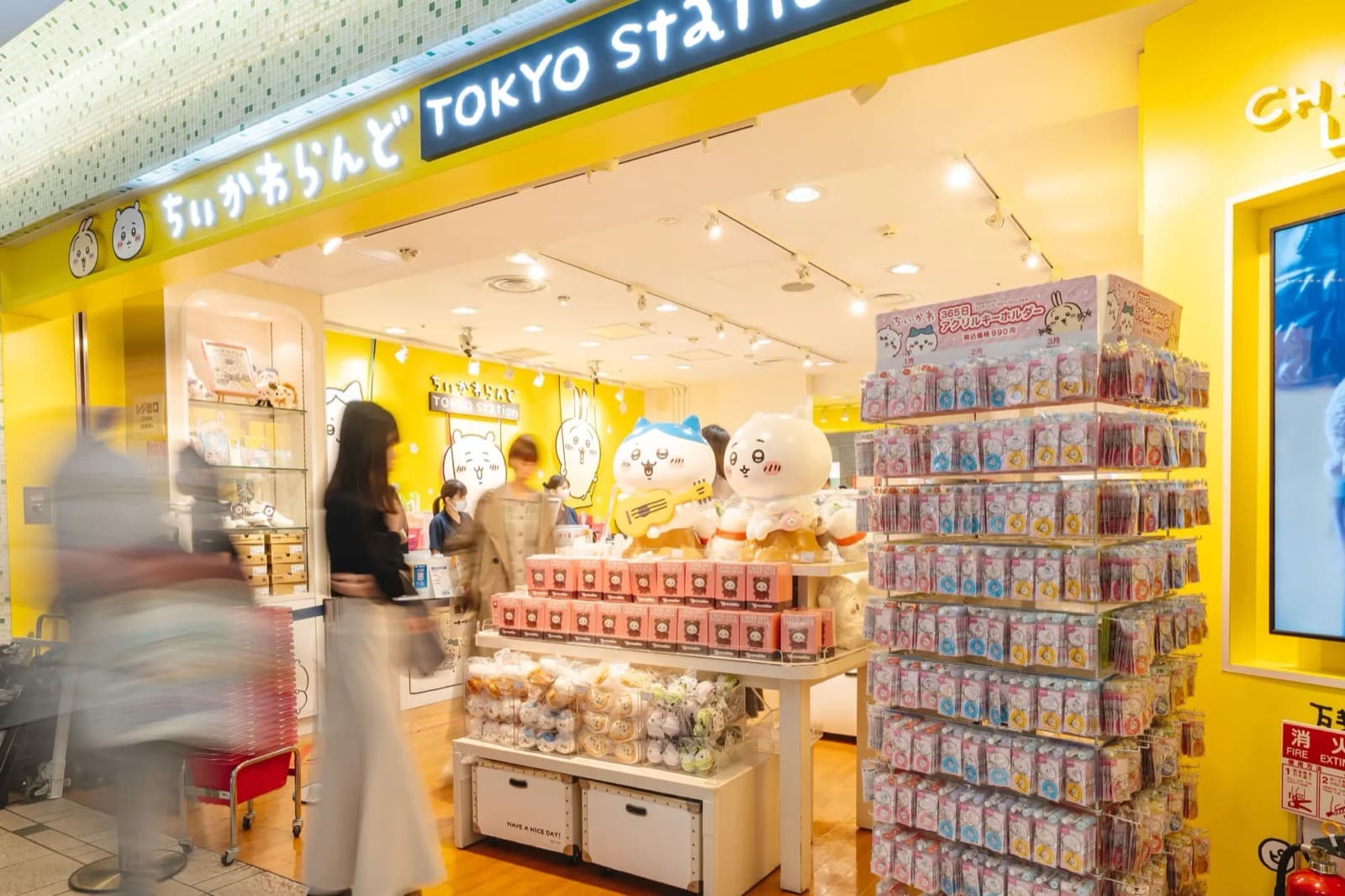
14 retro and used video game shops across Tokyo, anchored on Akihabara, the Electric Town district where old consoles, carts and arcade cabinets have their densest concentration in the city. This is a curated pick rather than an exhaustive list, running from the definitive multi-floor retro shops to vintage-computer specialists and classic arcades, plus the standout spots worth the trip outside Akihabara.
Last updated
14
Shops
2
Areas
Akihabara
The Anchor
Famicom to Arcade
Every Era
Akihabara, known as Electric Town (Denki Gai), is where Tokyo keeps its games. What began as a postwar electronics market is now the densest run of retro and used game shops in the city, with old consoles, cartridges and arcade cabinets stacked floor over floor within a few blocks of the station. This guide maps 14 shops, organized around what each one does best rather than a single flat ranking. Eleven sit in Akihabara itself, from Super Potato, the definitive retro shop across several floors, to the used-media chains, the vintage-computer specialist BEEP and the classic arcade HEY. A second group gathers the three standout retro spots elsewhere in the city, the Mandarake branches in Shibuya and Nakano and Super Potato in Ikebukuro, for anyone whose route runs wider than Akihabara. Shop-type tags on every card point to whether a stop is a used-game shop, an arcade, a resale complex or a vintage-computer specialist, so you can plan by what you are actually after, whether that is a Famicom (Family Computer) cartridge or an afternoon at the cabinets.
Update
BEEP Akihabara is temporarily closed, so check before you travel. Super Potato and Retro Game Camp are both open and on the same walk.
Best Shops For...
The Definitive Retro Floors
Super Potato
Jump to Super Potato
Games and Anime Resale
Mandarake Complex
Jump to Mandarake Complex
Retro PCs and Doujin Games
BEEP Akihabara
Jump to BEEP Akihabara
Used Games by the Floor
TRADER
Jump to TRADER
A Classic Akihabara Arcade
HEY
Jump to HEY
Standout Spots Beyond Akihabara
Nakano & Ikebukuro
Jump to Nakano & Ikebukuro
Area
Akihabara
Retro GamesArcadesHighest Density
11 locations·Akihabara
Akihabara, known as Electric Town (Denki Gai), is the anchor of this guide and holds eleven of its 14 shops within a few blocks of the station. Super Potato is the definitive retro stop, spread over several floors of consoles and carts with an arcade corner up top, and around it sit the used-game floors of TRADER, the resale complex Mandarake, the vintage-computer specialist BEEP, the classic arcade HEY and the English-friendly Retro Game Camp. The Surugaya game branch and the smaller import and vintage-PC shops fill in the rest. This is the one district no retro game trip skips.
The best-known retro game shop in Akihabara, spread across several floors of consoles, cartridges and accessories from the Famicom (Family Computer) era onward
Stock covers Japanese systems from the 1980s and 1990s, from the Famicom and Super Famicom to the PC Engine and Sega hardware
A retro arcade corner on an upper floor lets you play classic cabinets between browsing
A combined Hard Off and Hobby Off, the used-hardware and used-hobby arms of the same chain, long recognized by collectors as a top retro-hunting stop
Hard Off carries used consoles, controllers and electronics while Hobby Off covers figures, models and game software
A junk corner of untested and as-is gear rewards anyone willing to gamble on a cheap find
See It In Action
Beyond Akihabara
ResaleRetro GamesWider City
3 locations·Shibuya / Nakano / Ikebukuro
Akihabara holds the density, but three retro spots elsewhere in the city stand on their own. Mandarake runs a large branch in Shibuya and its original home inside Nakano Broadway, both deep in used games alongside manga, anime and collector goods, while Super Potato keeps a Game Yokocho (game alley) floor in Ikebukuro that carries the same retro stock as the Akihabara flagship. These are the stops to fold in when your route runs wider than Electric Town.
Many Japanese consoles are region-locked, which means a Japanese cartridge or disc may not run on a system bought in another country, and vice versa. Japanese hardware is also built for Japanese mains power (100 volts), so an older console may need a voltage adapter to run safely at home. Ask the shop which systems accept imported games, and if you want a plug-and-play setup, buy the Japanese console and its games together.
Inspect Condition and What Is Included
Used retro stock is usually graded and priced by condition, and a cartridge or disc sold loose costs less than a complete copy with its box and manual. Check whether a listing is boxed or unboxed before comparing prices between shops, look over discs and labels for wear, and remember that battery-backed cartridges from the 1990s may no longer hold a save.
Carry Cash for the Smaller Shops
The larger chains and complexes generally take cards, but several of the smaller retro and import shops are cash-first or set a card minimum. Keep some yen on hand so a small purchase does not become a problem, and note that many independent shops close earlier than a mall and can shut one day a week.
The Suburban Off Stores Hold the Deals
The Book Off, Hard Off and Hobby Off chains run stores across the country, and the branches further from central Tokyo often hold the better finds. Turnover is slower and collector traffic thins out beyond the center, so retro stock lingers longer and prices stay lower than in Akihabara. If your route runs into the suburbs, a roadside Off store is worth the detour, and the untested junk corners at Hard Off reward patient digging.
Tax-Free Shopping (Rules Change Nov 2026)
Tax-free availability varies by shop, so confirm participation and carry your passport. Through October 31, 2026, eligible visitors get the exemption at the register when spending at least 5,000 yen before tax at one store on the same day. From November 1, 2026, eligible visitors pay the tax-inclusive price first, customs confirms at departure that the goods are leaving Japan, and the retailer or its refund provider then returns the consumption-tax equivalent, with the method varying by store. The larger chains are the most likely to handle it smoothly.
Visit on a Weekday
Akihabara draws heavy weekend crowds, and the narrow shop floors and arcade aisles get tight. Weekday afternoons are the calmest time to browse a stacked retro shelf or find a free cabinet, and staff at the smaller shops have more room to help. A few shops also keep shorter or shifted hours early in the week, so check before a special trip.
Frequently Asked Questions
Super Potato is the standard first stop, a retro shop spread over several floors of consoles, cartridges and accessories from the Famicom (Family Computer) era onward, with an arcade corner up top. From there, TRADER carries used games by the floor, Mandarake resells games alongside manga and anime, and BEEP specializes in retro PCs and vintage computers. Retro Game Camp is the easiest stop if you want English-friendly service.
Not always. Many Japanese consoles are region-locked, so a Japanese cartridge or disc may not run on a system bought elsewhere. Japanese hardware also runs on Japanese mains power (100 volts) and may need a voltage adapter abroad. The simplest route is to buy the Japanese console and its games together so they are matched, and to ask the shop which systems accept imported titles.
Retro Game Camp is the most English-friendly of the group and a good first stop for visitors new to buying retro games, with staff who can advise on region-locking and imports. The larger chains and complexes such as Mandarake and the bigger Super Potato and TRADER floors are used to visitors, though service at the smallest import and vintage-computer shops can be Japanese-first.
Three spots stand out beyond Akihabara. Mandarake runs a large branch in Shibuya below the Shibuya BEAM building and its original home inside the Nakano Broadway complex, both deep in used games alongside manga and anime. Super Potato keeps a Game Yokocho (game alley) floor in Ikebukuro that carries the same retro stock as its Akihabara flagship. Each is easy to fold into a day already spent in those areas.
No, and it is not meant to be. Akihabara alone holds more shops than any guide could map, and there are used-game floors and arcades across the city. We highlighted these 14 for the strength of their stock, how they cluster into walkable areas, and what each one is genuinely best for, so every stop is worth a deliberate visit.