The Ultimate Secondhand & Vintage Shopping Guide to Tokyo
42 standout pre-owned luxury and vintage shops across 10 neighborhoods, a curated pick rather than an exhaustive list. This is where you’ll find authenticated bags, where the vintage racks run deepest, and see how Japan’s buy and sell culture works.
Last updated
42
Shops
10
Neighborhoods
Pre-Owned
& Vintage
Tax-Free
Many Shops
Tokyo is one of the best cities in the world to buy secondhand, and the reason is trust. Pre-owned luxury here is professionally inspected, condition is graded honestly, and the sheer volume means bags, watches and designer pieces that are hard to find elsewhere turn up in verified, wearable shape. This guide covers 42 of the city’s notable secondhand and vintage shops across ten neighborhoods, from the authenticated luxury dealers of Ginza to the vintage clothing outposts of Kōenji and Shimokitazawa. We highlight what each area does best, store by store, along with practical notes on authentication, tax free shopping and how Japan’s buy and sell culture works. Secondhand shops are genuinely everywhere in Tokyo, so this is a curated selection rather than a map of all of them, chosen for the quality of their stock, how densely they cluster, and how easy they are to reach.
Best For...
Authenticated Luxury
Ginza
Jump to Ginza
Vintage Designer Archive
Omotesandō
Jump to Omotesandō
Vintage Treasure Hunt
Kōenji
Jump to Kōenji
Styled Vintage
Shimokitazawa
Jump to Shimokitazawa
Area
Ginza & Yūrakuchō
Authenticated LuxuryBags & WatchesHighest Density
6 locations·Ginza Station / Yūrakuchō Station
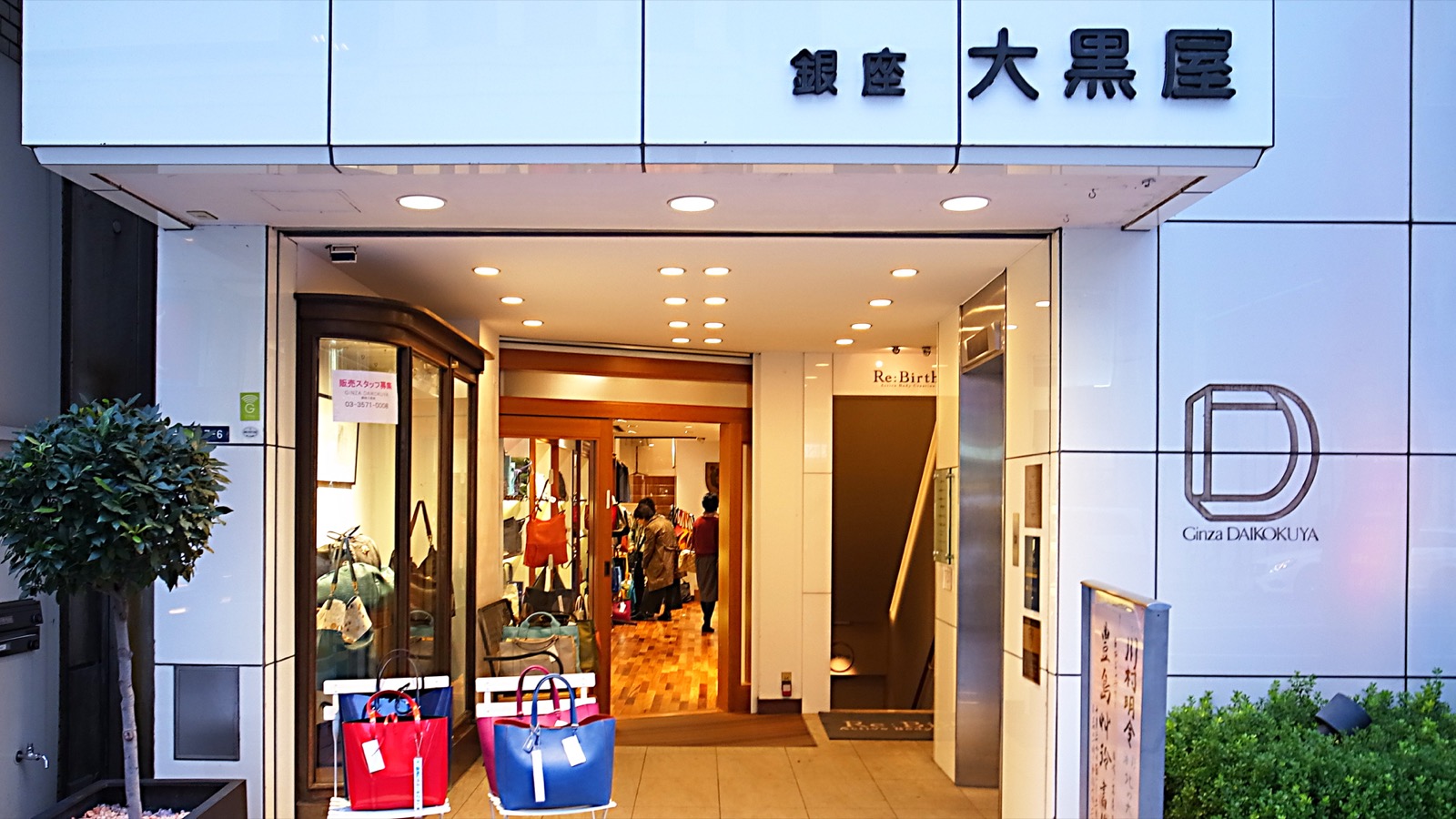
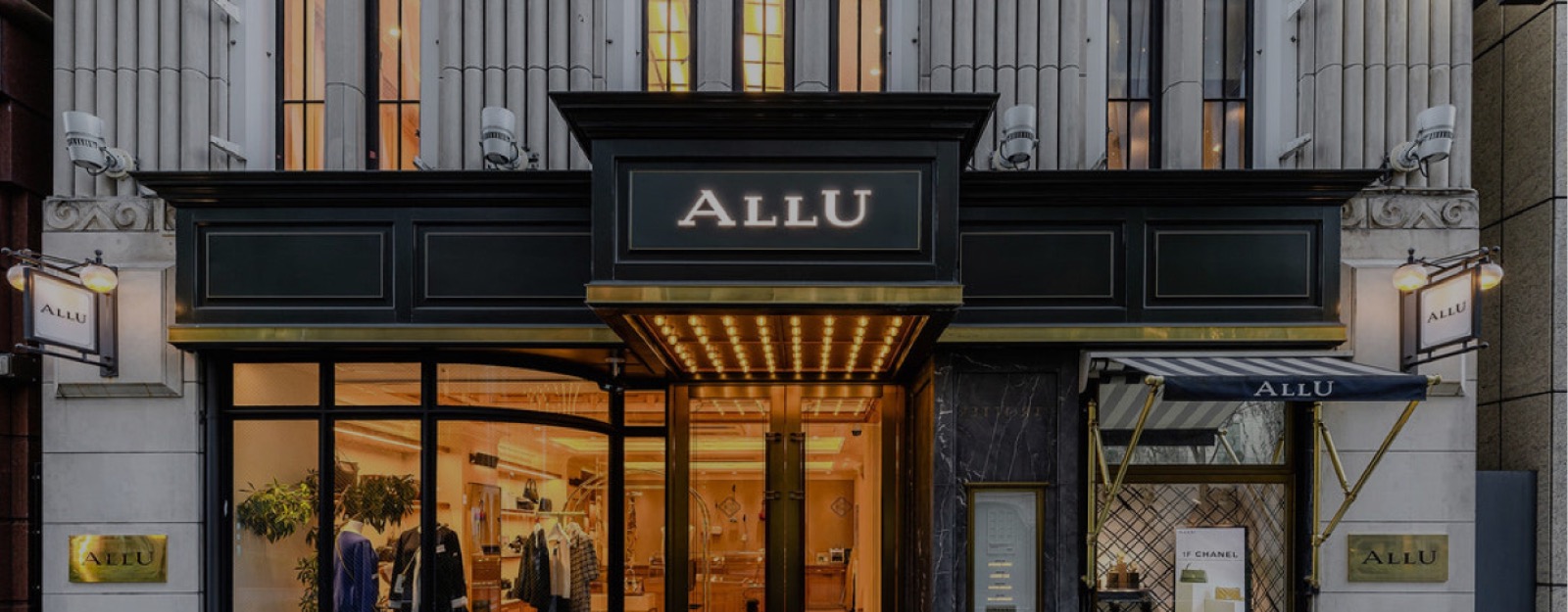
Ginza is Tokyo’s luxury resale heartland. Within a few blocks of the Wako clock sit some of the country’s most established pre-owned dealers, where authenticated Chanel, Hermès and Louis Vuitton bags, Rolex and Cartier watches, and fine jewelry can often be found below current retail, while rare and high-demand models may command a premium. This is the district for the serious buyer after a specific piece in verified condition, and the density means you can compare the same model across several shops in a single afternoon.
Everything Under One RoofDesigner + HypeMost Convenient
5 locations·Shibuya Station (Hachiko Exit)
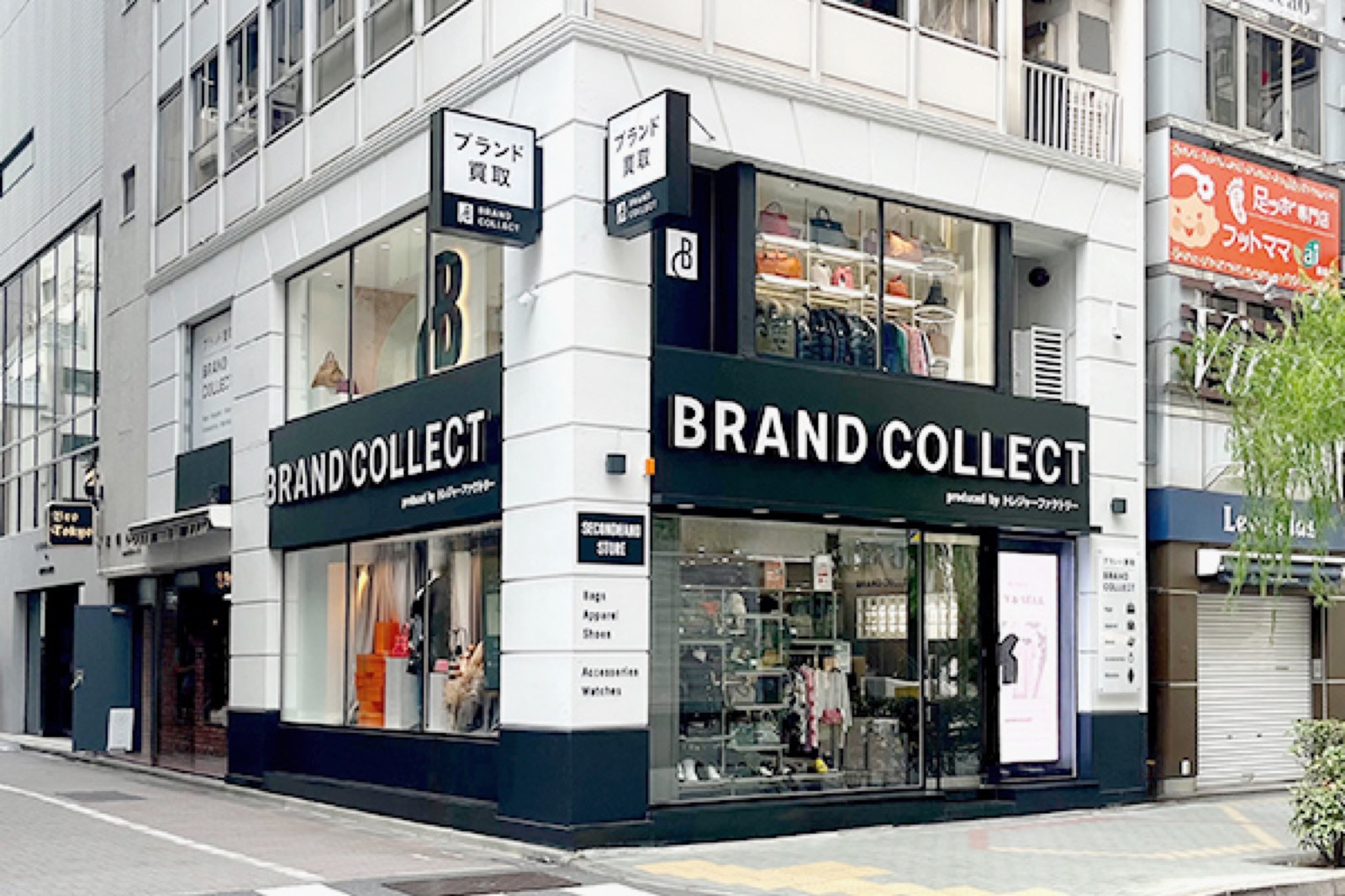
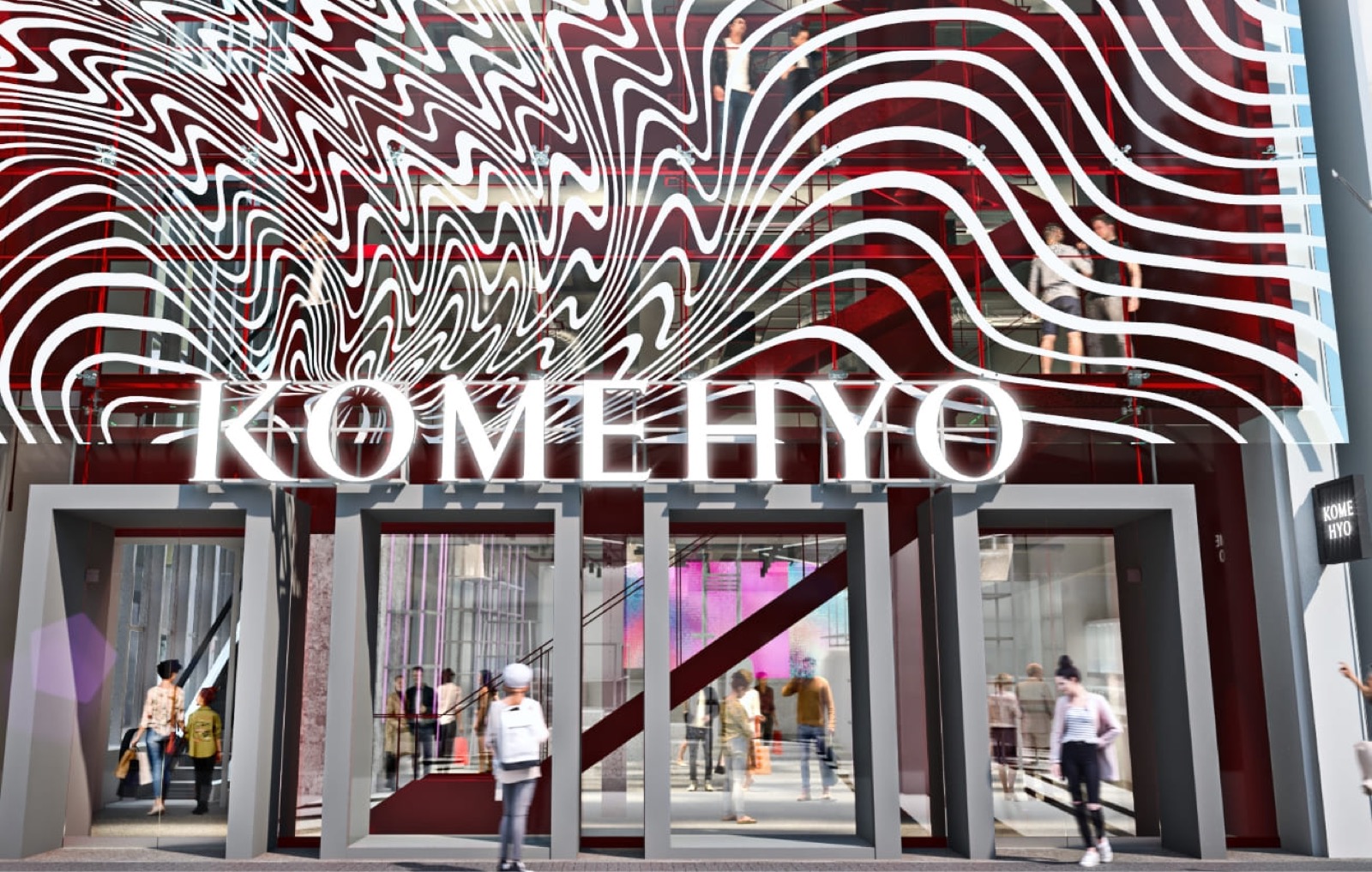
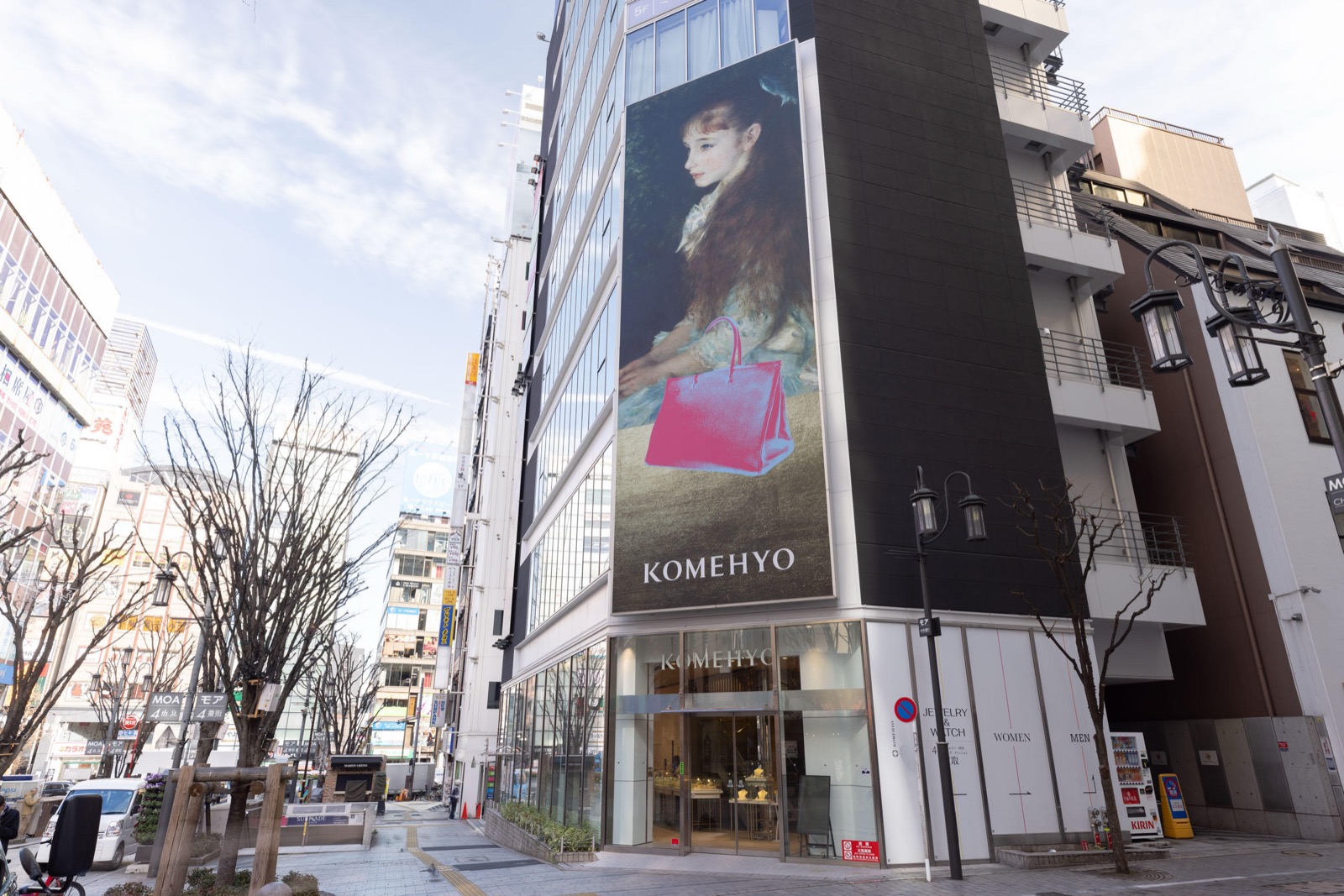
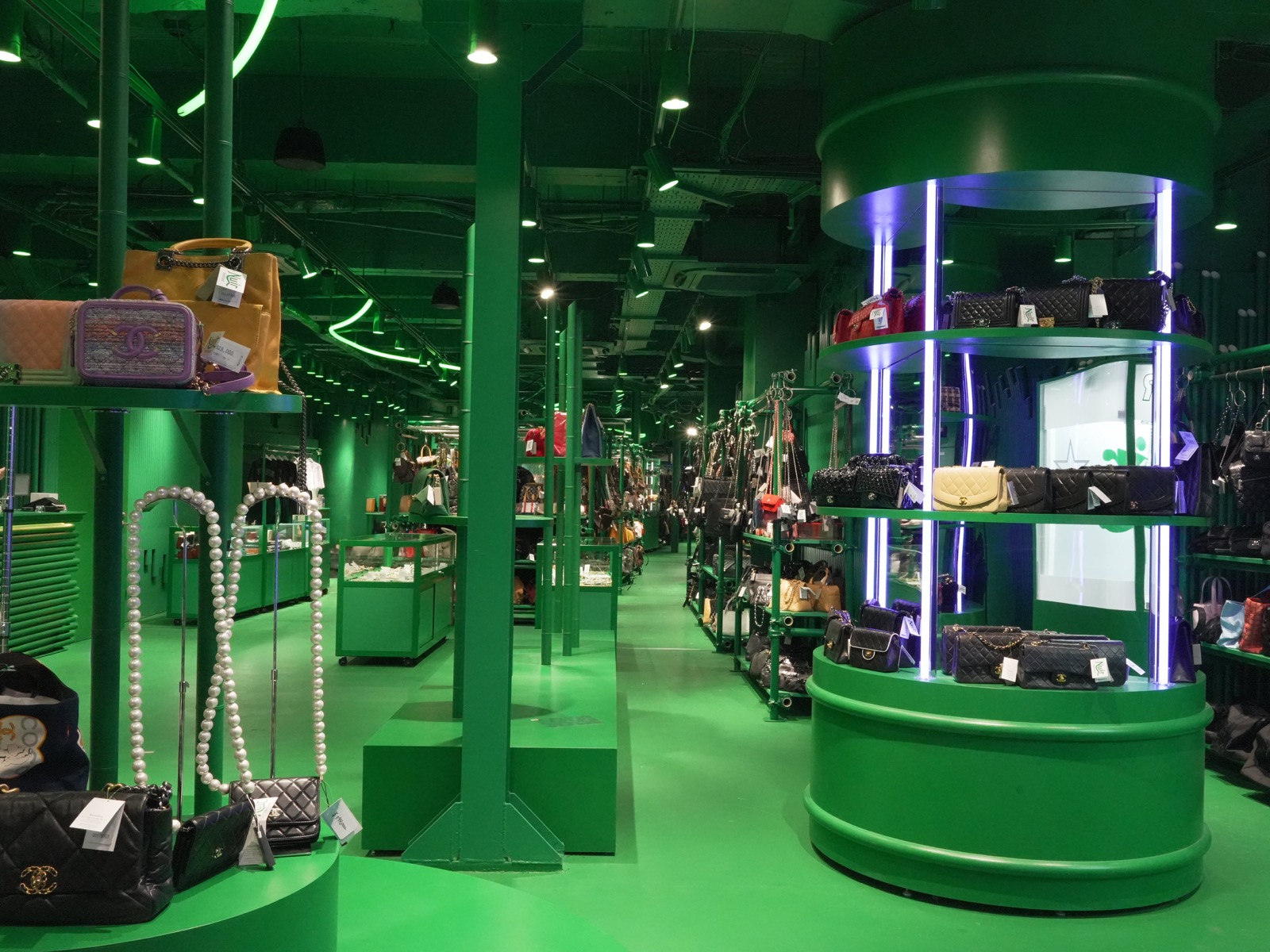
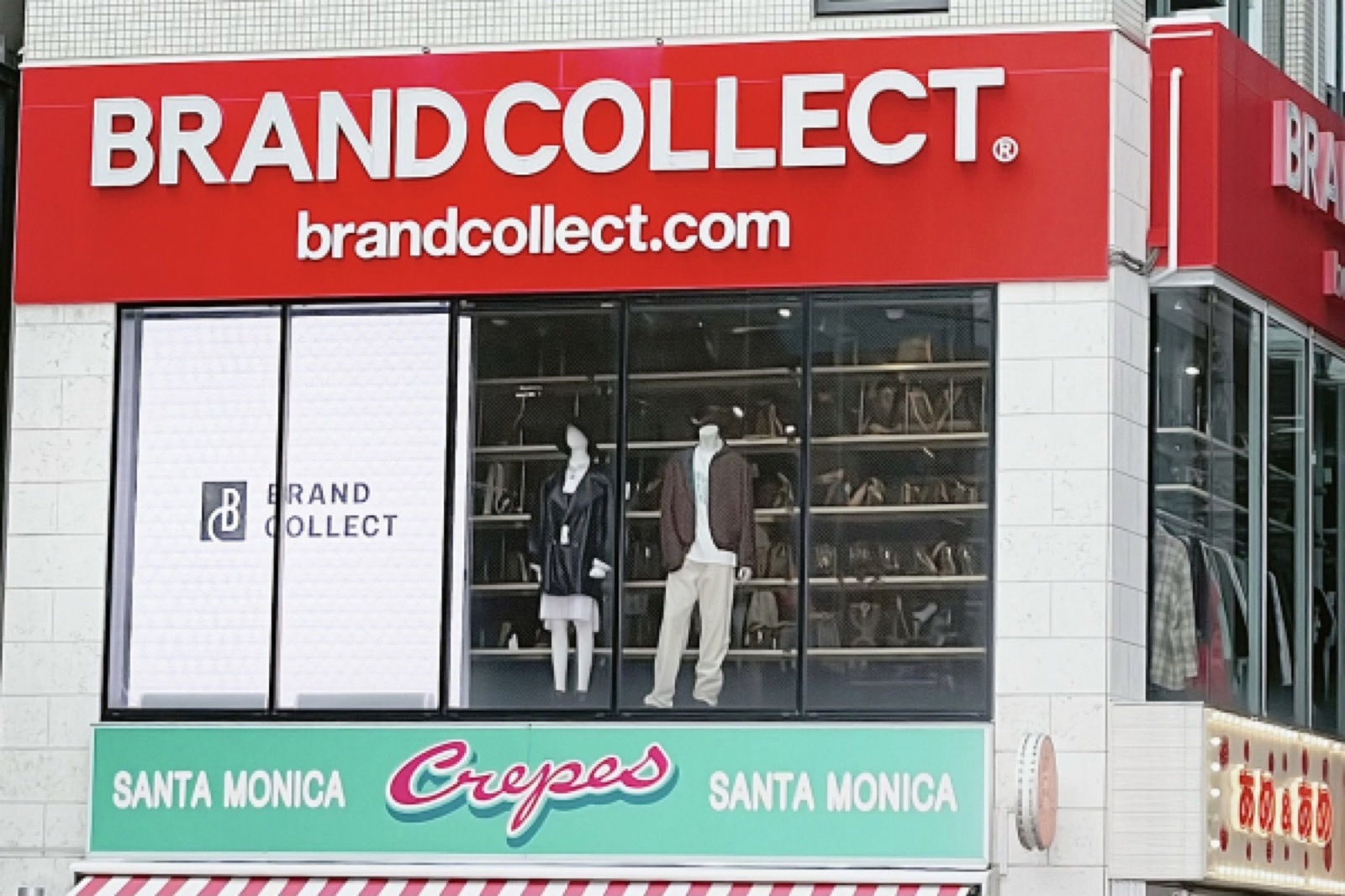
Shibuya folds secondhand shopping into the busiest retail district in the city. The anchor is Komehyo, Japan’s largest pre-owned dealer, whose Shibuya store carries authenticated luxury under one roof. Around it sit the big designer resale chains and the hype specialists, so you can move from a verified Chanel bag to a grail streetwear piece in a short walk without leaving the neighborhood you are already shopping.
4 locations·Shinjuku Station (East Exit) / Shinjuku-Sanchōme Station
Shinjuku is the easiest place in Tokyo to shop secondhand without building a whole day around it. Around the east side of the station, the major resale chains cover authenticated luxury watches and bags, designer clothing, streetwear and affordable used fashion within a compact walk. It lacks the neighborhood character of Kōenji or Shimokitazawa, but for a traveler staying nearby, few areas are more convenient.
5 locations·Harajuku Station / Meiji-Jingūmae Station
Harajuku is where Tokyo vintage meets fashion culture most directly. The backstreets of Ura-Harajuku and the length of Takeshita Street hide everything from a world renowned vintage denim specialist to big, browsable used clothing floors and walls of secondhand kimono. It is dense, trend driven and endlessly walkable, the place to lose an afternoon digging.
3 locations·Omotesandō Station / Meiji-Jingūmae Station
Omotesandō and Aoyama are where vintage goes upscale. Along the tree lined avenue and its backstreets, boutiques deal in the rare and collectible, from vintage Chanel and Hermès to authenticated luxury archives presented with the care of a gallery. This is the cluster to come to for a piece with history rather than simply a discount.
3 locations·Daikanyama Station / Nakameguro Station
Daikanyama and Nakameguro trade the crowds for calm. These leafy, low rise neighborhoods favor considered vintage boutiques and the more design led branches of the big resale chains, and the slower pace suits an unhurried hunt. Pair it with the area’s cafes and independent bookshops for one of the more pleasant afternoons of secondhand shopping in the city.
2 locations·Okachimachi Station / Ueno-Hirokoji Station
Okachimachi, just south of Ueno, is Tokyo’s old jewelry and brand goods quarter, a dense grid of dealers where gold, watches and luxury bags have been bought and sold for decades. It is less polished than Ginza and all the better for it, with keen pricing and a working market energy. Combine it with the nearby Ameyoko market street for a grittier kind of Tokyo shopping.
Kōenji is Tokyo’s vintage clothing capital. The streets around the station are lined with used and vintage stores, from American and European imports to specialized menswear and reworked one off pieces, and prices run from bargain bin to collector. It is a treasure hunt rather than a shopping list, and a couple of hours of patient digging is the way to do it. Bring cash and comfortable shoes.
Watch Collector’s ArcadeRolex & Grand SeikoCompare Dealers
4 locations·Nakano Station (North Exit)
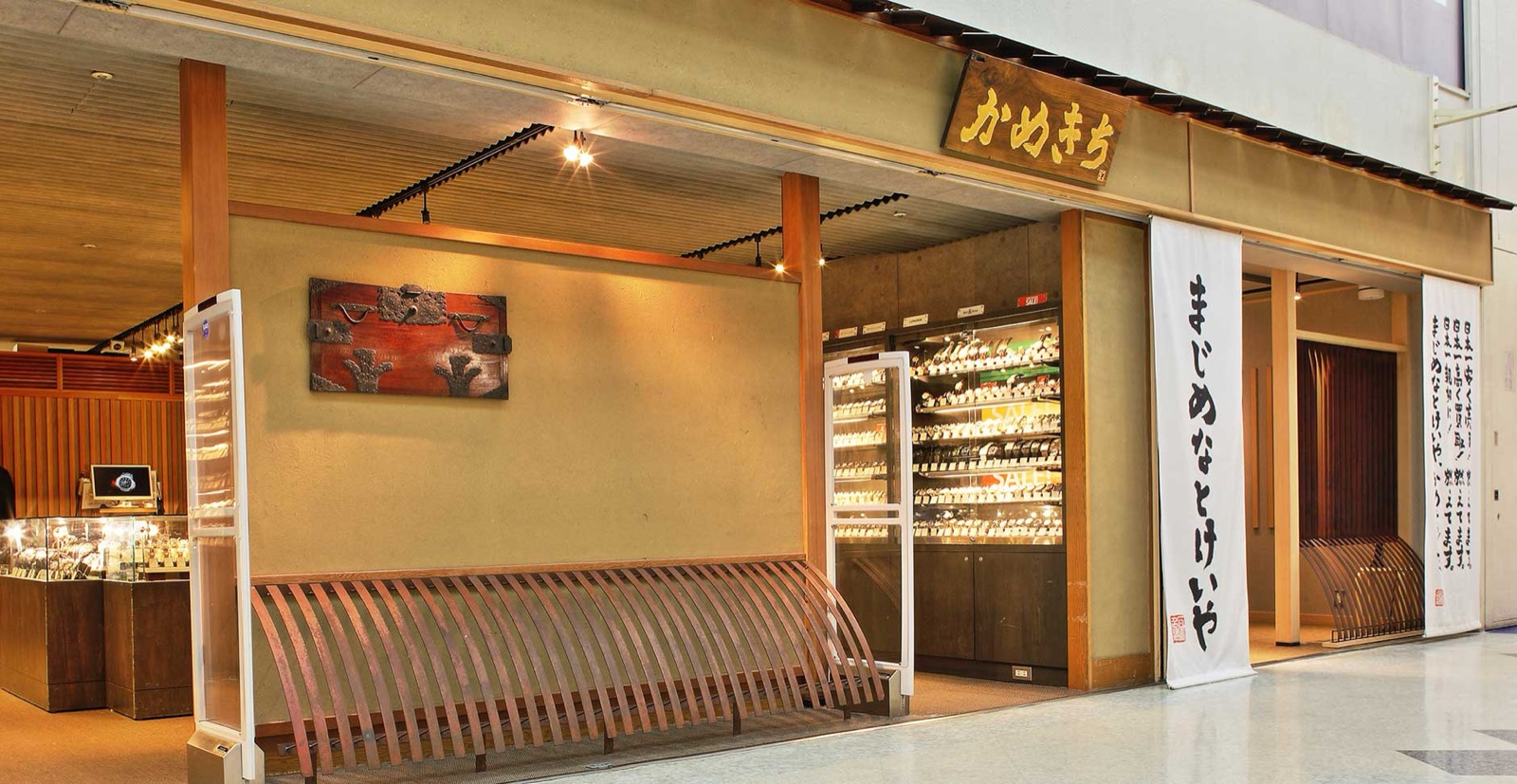
Nakano Broadway is a shrine to the secondhand, but it is especially rewarding for watch collectors. Across its maze of small dealers, you can find everything from Rolex and Panerai to Grand Seiko, Seiko and harder-to-find vintage references, alongside luxury goods, collectibles and more. The dealers below cluster on Broadway’s upper floors, so you can compare cases shop to shop, but the building itself is the real draw. Leave time to wander the corridors, compare cases and see what turns up. Few places in Tokyo offer this much watch hunting under one roof.
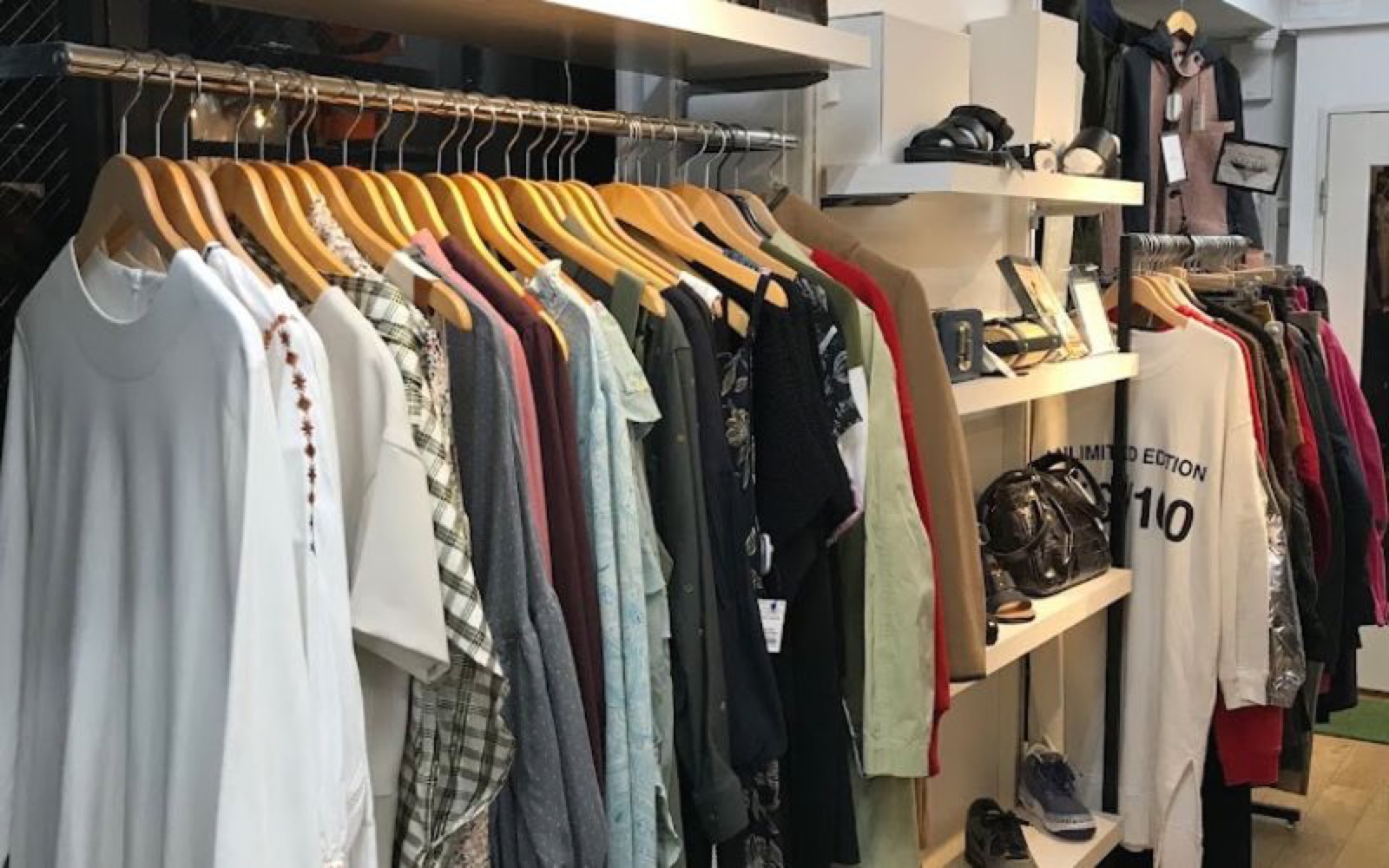
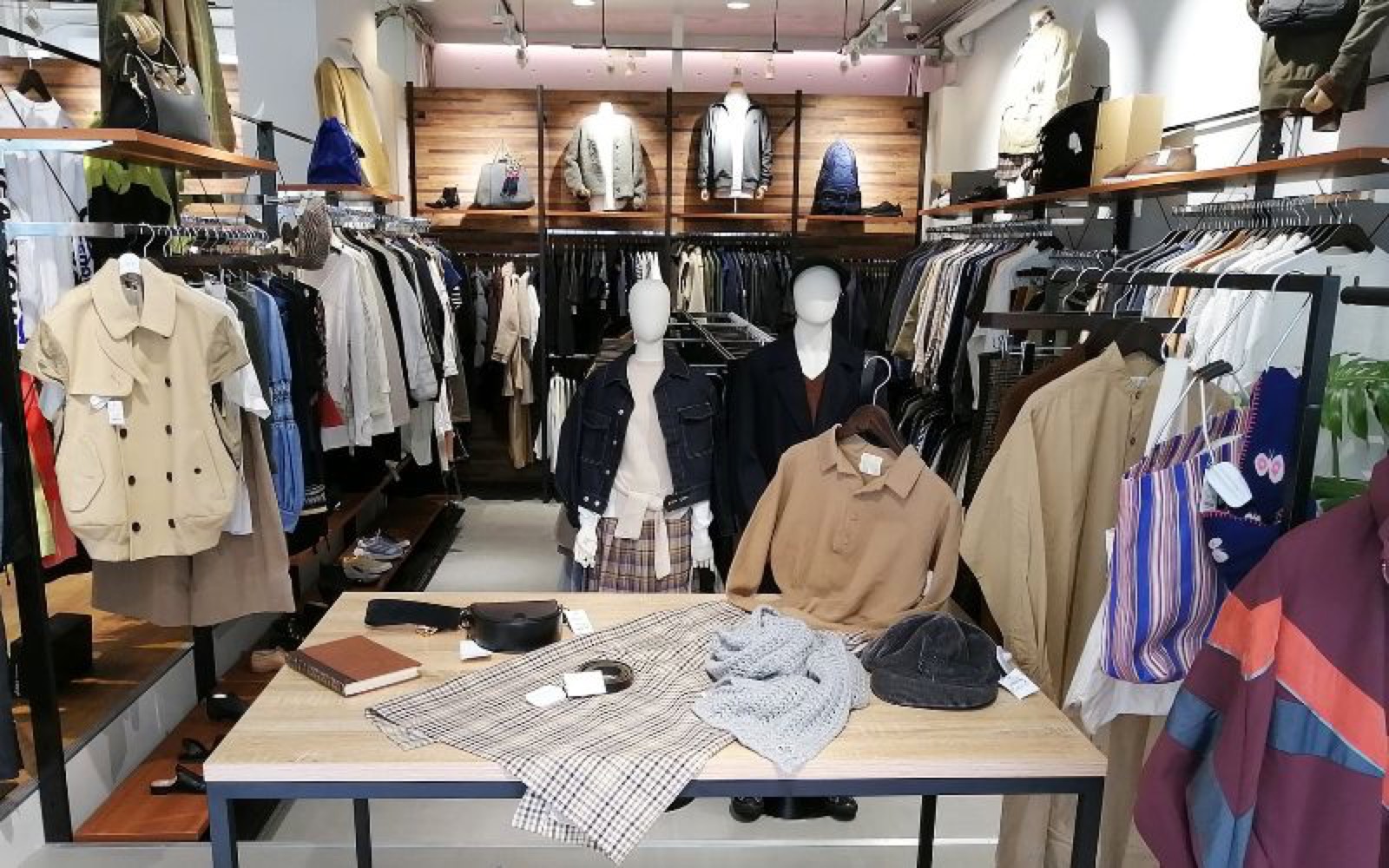
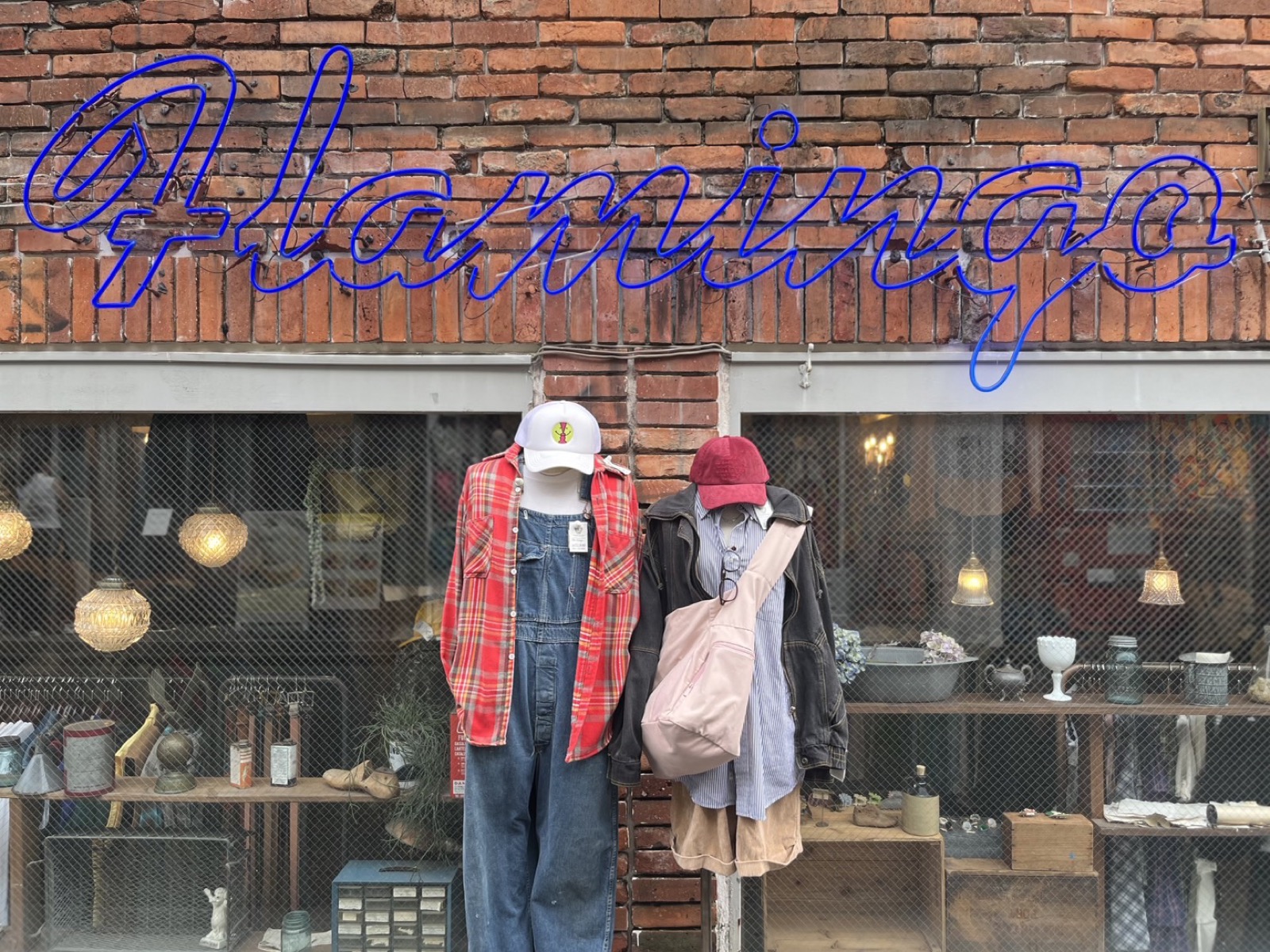
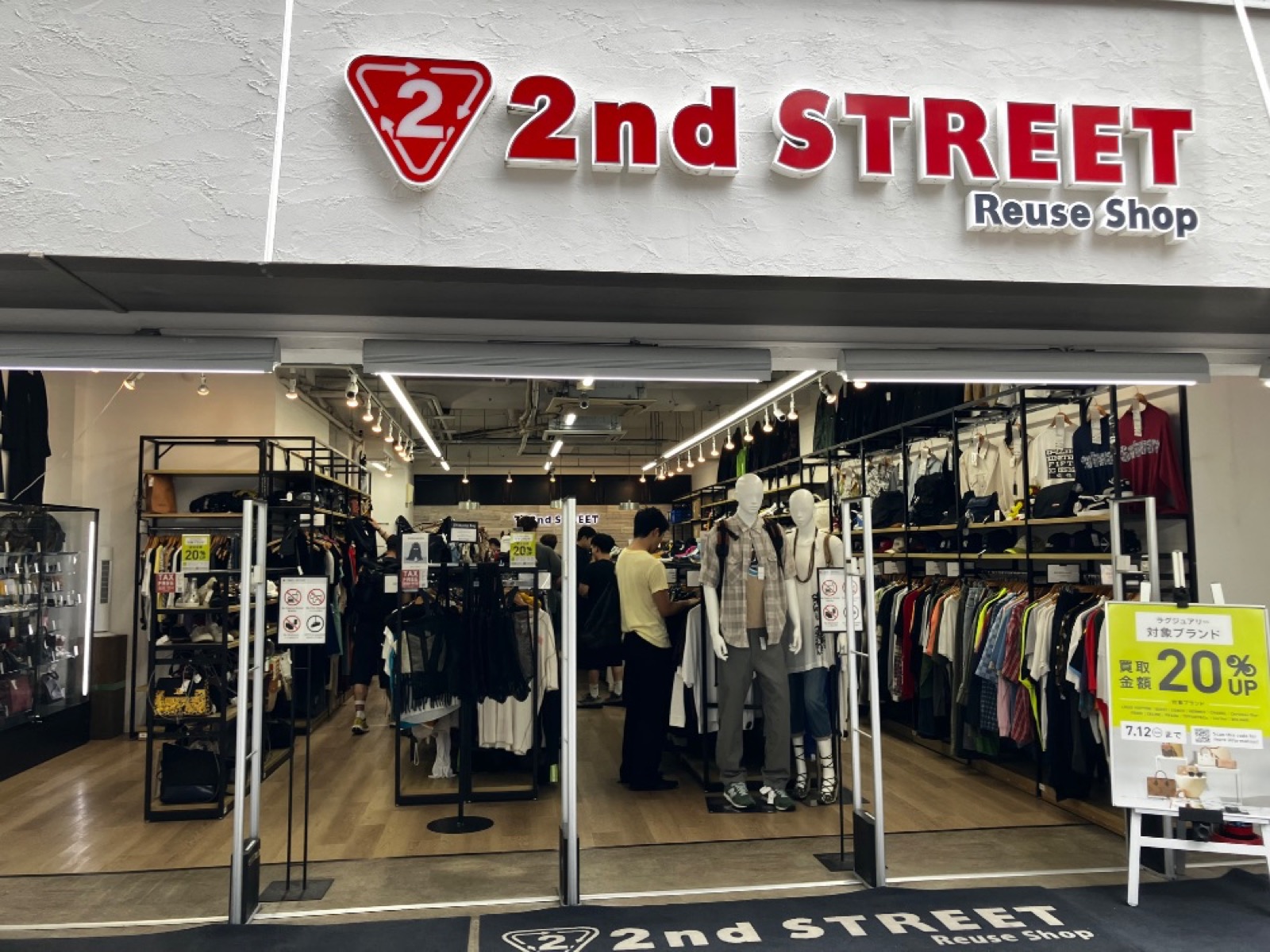
Shimokitazawa offers Tokyo’s easiest afternoon vintage crawl, with a younger, more styled sensibility. The maze of streets around the station hides dozens of used clothing stores, from tightly edited boutiques to landmark exchange shops and big box reuse chains, and the neighborhood’s cafes, record shops and theaters make it a full afternoon rather than a single errand.
Japan’s established resale industry has a strong reputation for professional inspection and authentication, particularly at major retailers like Komehyo and Amore. Policies still vary by store, so for an expensive bag, watch or piece of jewelry, check the retailer’s authenticity guarantee, return policy and included documentation rather than assuming every secondhand item comes with certification.
Tax-Free Shopping (Rules Change Nov 2026)
Tax-free availability varies by store, so confirm participation and carry your passport. Through October 31, 2026, eligible visitors get the exemption at the register when spending at least ¥5,000 before tax at one store on the same day. From November 1, 2026, eligible visitors pay the tax-inclusive price first; customs confirms at departure that the goods are leaving Japan, after which the retailer or its refund provider returns the consumption-tax equivalent, with the method varying by store.
How Condition Grading Works
Many Japanese resale shops use condition grades such as S, A, B and C, but there is no single universal scale and the exact meaning is retailer-specific. Use the grade as a starting point, then read the shop’s own definition and inspect scratches, hardware wear, repairs and included accessories before deciding, rather than comparing letter grades across stores.
Why Stock Changes So Quickly
Many Japanese resale shops buy from the public as well as sell, which is why inventory changes so quickly from week to week. Selling rules are stricter than shopping rules, though, and temporary visitors may not have the Japanese-address identification some chains require. Check the individual retailer’s requirements before bringing anything to sell.
Cash, Hours and Getting Around
Vintage shops in Kōenji and Shimokitazawa can be cash-preferred and keep shorter hours, while the luxury dealers in Ginza and Omotesandō take cards and follow standard retail times. Weekday afternoons are calmest. Group your route by neighborhood, since each cluster is walkable once you arrive.
Frequently Asked Questions
It is one of the safest places in the world to do it. Japan’s established resellers are known for professional inspection and honest condition disclosure, and major luxury retailers describe formal authentication before items go on sale. Policies vary by store, so for an expensive piece, check the retailer’s authenticity guarantee, return policy and documentation. Even so, buying from a reputable dealer like the ones in this guide is far safer than the open online marketplace, where counterfeits are common.
It depends on what you are after. Ginza and Okachimachi are the places for authenticated pre-owned luxury bags and watches, with Ginza the more polished and Okachimachi the keener on price. Shibuya and Shinjuku both put the big designer-resale chains and Komehyo under one roof, with Shinjuku the most convenient if you are staying nearby. Omotesandō and Aoyama specialize in vintage designer and luxury archive pieces, and Nakano Broadway is the destination for watch collectors. Harajuku, Kōenji and Shimokitazawa are the vintage-clothing districts, best for a treasure hunt through used and vintage racks.
Often, yes, though the system is changing. Through October 31, 2026, eligible visitors get the exemption at the register on spends of at least ¥5,000 before tax at one store on the same day, with a passport. From November 1, 2026, you pay the tax-inclusive price first and the consumption tax is refunded after customs confirms the goods are leaving Japan, with the refund method varying by store. Participation varies, and smaller independent vintage shops often opt out, so ask before you buy.
In Tokyo, "secondhand" or "pre-owned" usually means recent used luxury and brand goods, such as a Chanel bag or Rolex watch, that has been authenticated and graded for condition. "Vintage" more often refers to older clothing and accessories valued for their era, rarity or design, the kind of thing you dig for in Harajuku, Kōenji and Shimokitazawa. This guide covers both.
Sometimes, but not always. Pre-owned bags, apparel and older watch models can offer meaningful savings, especially when condition is less than perfect. But scarce watches, Hermès bags, discontinued Chanel and sought-after archive pieces can trade at or above current retail. Compare the exact model rather than assuming secondhand automatically means cheaper.
The larger chains such as Komehyo, RAGTAG and the Ginza luxury dealers usually have some English support and can often arrange international shipping or tax-free paperwork. Smaller independent vintage stores in Kōenji and Shimokitazawa are more likely to be Japanese-only, though a translation app and pointing go a long way.
No, and it is not meant to be. Secondhand and vintage shops are everywhere in Tokyo, from single-room boutiques to nationwide reuse chains, so mapping all of them would be impossible. We highlighted these 42 for the quality of their stock, how densely they cluster into walkable neighborhoods, and how easy they are to reach, so each one is worth a deliberate stop.