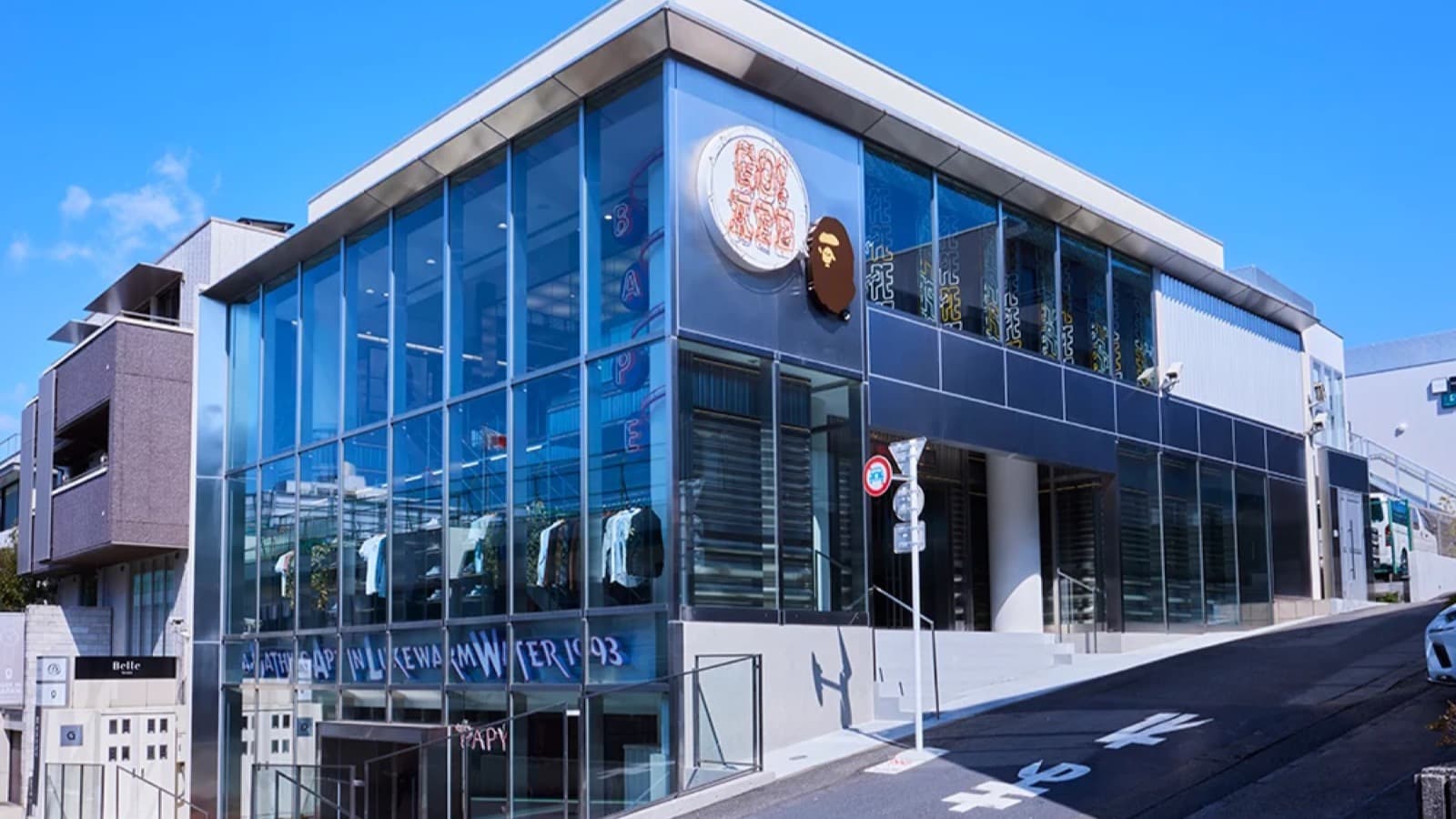
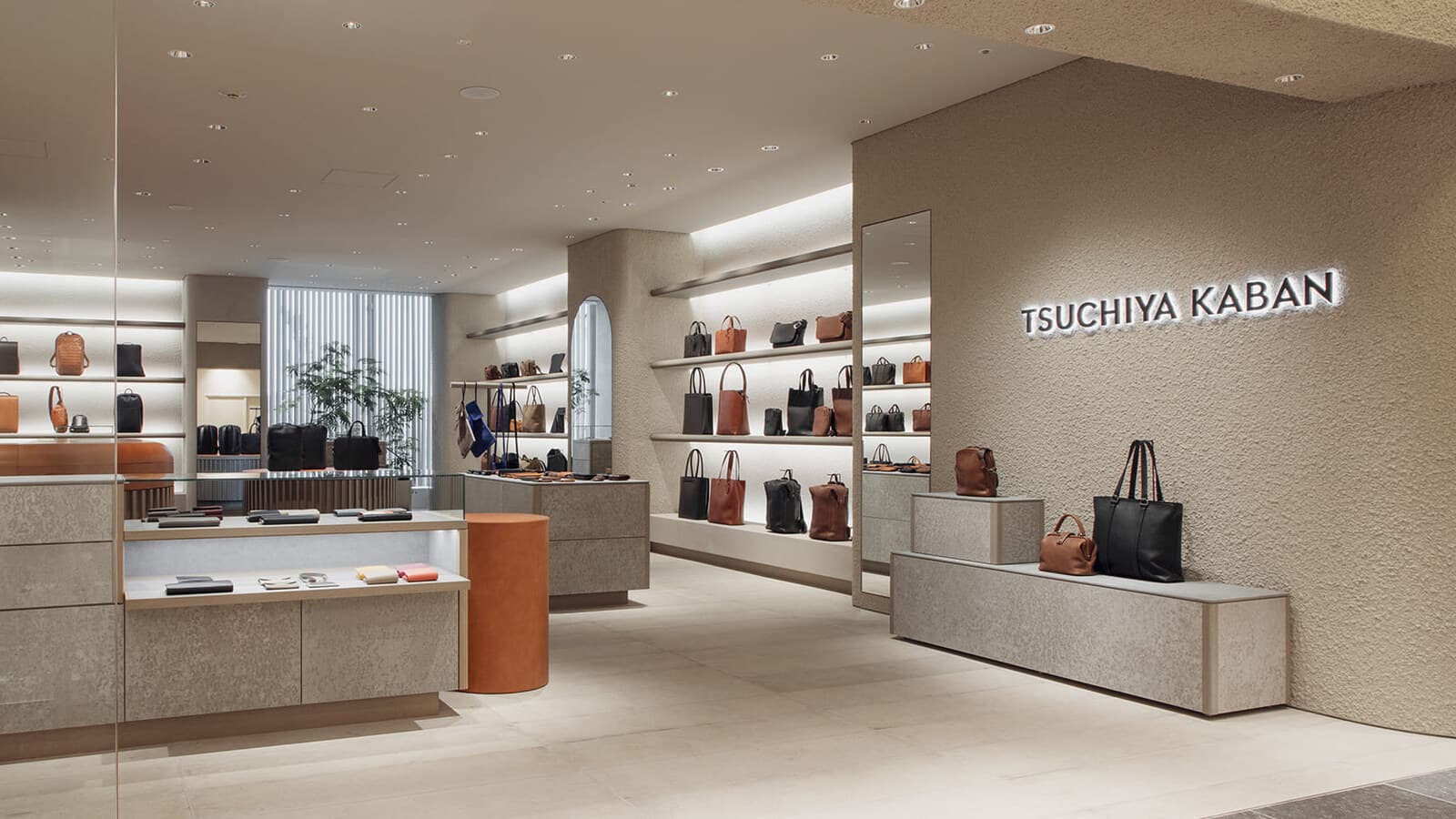
36 shops from 24 makers and retailers, across seven neighborhoods. Every entry is labelled by what it actually is, whether that is a brand store selling its own line, a multi-brand specialist for comparing houses, a reproduction house, or an indigo and design stop worth the detour.
Last updated
36
Shops
7
Neighborhoods
24
Makers & Retailers
Mid→Premium
Price Range
Japan makes the denim the rest of the world now measures itself against, and Tokyo is where you can try it on. The weaving, dyeing and finishing sit hours west across Okayama and Hiroshima, but nearly every house that matters keeps a Tokyo store, and a handful of multi-brand specialists carry the ones that do not. In most cities raw denim means one good shop, whereas here it means choosing between a dozen weights, weaves and fits in a single afternoon. This guide covers 36 shops from 24 makers and retailers across seven neighborhoods, several running more than one branch. HINOYA keeps three on the same Ameyoko stretch, and KAPITAL spreads five across Ebisu and Roppongi. Every entry is labelled by kind, so a brand store selling its own line reads differently from a multi-brand specialist or a reproduction house. Ura-Harajuku holds the most brand stores, while Ameyoko is the easiest place to compare houses at once and Ebisu is where the reproduction end lives.
Best For...
Most Brand Stores
Ura-Harajuku
Jump to Ura-Harajuku
Compare Labels Fast
Ameyoko
Jump to Ameyoko
Reproduction and Period Detail
Ebisu
Jump to Ebisu
Okayama Denim Direct
Aoyama
Jump to Aoyama
Area
Ura-Harajuku and Omotesandō
Most Brand StoresWalkableDirect From Makers
8 locations·Meiji-jingūmae Station
The densest concentration in the city, and the place to start. Six of the houses that revived Japanese denim keep their own Tokyo store within a few streets of each other here, which means you can handle four or five different weights of raw denim in an afternoon without crossing a train line. Fits and finishes differ more between these shops than the price tags suggest.
Where the reproduction end of the scene sits. Warehouse builds its jeans from period detail upward, JELADO works the same vein, and KAPITAL spreads across several nearby shops that each carry a different part of the range rather than repeating it. Daikanyama adds two long-running Japanese Americana institutions a short walk uphill, and Big John, the house credited with Japan’s first domestically made jeans, keeps a direct shop two stops further out at Yūtenji.
Shop design incorporates good old American aesthetics
Unified brand concept and product selection with excellent cost performance and service from staff members who are easy to talk to and friendly to customers.
Calm atmosphere, can relax and choose clothes.
Came to kill time, but it was good to be able to choose products slowly.
Indigo and designJapanese AmericanaLong runningDaikanyama
Signature incense scent at the entrance, available for purchase
Select shop featuring its own brand (Hollywood Ranch Market) alongside other lines like Blue Blue and Free City
Distinctive storefront and interior design with a unique American casual aesthetic
A half-century legacy in Japanese casual fashion, specializing in denim and American casual items and beloved staples crafted with high-quality materials
The oldest denim district in Tokyo and still the best place to compare labels side by side. HINOYA has run three shops within two hundred meters of each other in Ameyoko, each stocking a different slice of Japanese selvedge and Americana, with two long-standing neighborhood jeans shops and an Okayama brand store on the same stretch. If you want to try six brands in an hour, come here rather than Harajuku.
The brand-direct counterpoint to the multi-brand racks a few minutes away, selling Japan Blue’s own Okayama-made denim rather than a buyer’s selection.
Useful as the fixed reference point on the Ameyoko route. Try the same house’s fits here, then compare against HINOYA and Americaya nearby.
The design-led end of Japanese denim rather than the reproduction end. Century Denim works indigo textiles closer to craft than to workwear, and the other two shops here treat denim as a fashion material. Worth an hour if you are already in Ginza; not the reason to come.
Quieter shops for people who already know what they want. Momotaro runs its Tokyo store here rather than in Harajuku, 45R treats indigo as a textile discipline across far more than jeans, and KAPITAL keeps a broader-range store in Roppongi. Less foot traffic than Harajuku, and more room to actually try things on.
Displays butterfly specimens from around the world
Friendly and comfortable staff
Shimokitazawa, Kōenji and Futakotamagawa
Neighborhood ShopsMulti-BrandOff the Circuit
3 locations·Shimokitazawa Station
West of the center, where the shops serve locals rather than visitors. Bears in Shimokitazawa holds one of the strongest concentrated selections of Japanese denim anywhere in the city, Momotaro keeps a second Tokyo store in Kōenji, and Pherrow’s runs a company store out in Futakotamagawa. Combine one of these with the neighborhood itself.
Four shops that do not fit a walking route but reward a detour. Junky Special carries a notably deep Toyo Enterprise selection, its sibling in Ryōgoku covers Sugar Cane, Warehouse and Denime, Japan Blue keeps a store in Asakusa for anyone already sightseeing there, and Jeans Sakai out in Shinkoiwa is an authorised Samurai Jeans stockist.
Raw means the denim has not been washed after weaving. That is a separate question from whether it was sanforized, which is the treatment that controls shrinkage, and separate again from whether the pair is sold one-wash. An unsanforized raw pair can shrink substantially; an unsanforized pair sold one-wash has already lost most of that. Ask which of the three applies to the exact model, and follow the maker’s measurements rather than the word on the tag.
Hemming is usually same day
Several of the brand stores chain-stitch hems in house, sometimes while you wait. Eligibility, cost and turnaround vary by shop, model and how busy they are, so ask before you buy rather than after. If you are flying out soon, buy early in the trip, and note that an altered pair usually cannot be returned.
Tax free is worth asking about
Only designated tax free shops can process it, so confirm at each store rather than assuming, and bring your passport. From November 1 2026 the system changes to a refund method, where you pay the tax at purchase and it is refunded after customs confirms the goods left Japan. The general minimum is ¥5,000 excluding tax per store per day, and goods must be exported within 90 days.
Ameyoko is the efficient stop
Three HINOYA shops, two long-running jeans shops and a Japan Blue store sit within a couple of hundred meters of each other near Okachimachi. If you only have one afternoon and want to compare houses rather than commit to one, start there rather than in Harajuku.
Frequently Asked Questions
It is woven on a narrow shuttle loom, which finishes the fabric with a clean self-edge instead of a cut one. That edge is why you see the colored line inside a turned-up cuff. Shuttle looms run slower and produce a narrower, more irregular fabric, which is the texture people are paying for rather than the edge itself.
The usual story is that Japanese makers simply bought America’s discarded shuttle looms. It is too neat. Japan had its own automatic-loom industry well before that, including Toyoda’s Type G in the 1920s, and many of the vintage looms still running in Japanese mills are Japanese-made. The better explanation is the ecosystem that survived. Spinning, indigo dyeing, low-tension weaving, finishing, pattern cutting and washing all still sit close together, concentrated across Okayama and Hiroshima. Most of the brands in this guide work with that same cluster of weavers.
Decide on treatment rather than on the label. Raw begins unwashed and fades to the way you personally wear it, which is the point for most people buying here, but how much it shrinks depends on whether the fabric was sanforized. One-wash has already been through a wash to take out most of the initial shrinkage, so it is easier to size and still fades. Ask for the exact model’s post-wash measurements instead of relying on the words raw or pre-washed.
Ameyoko in Ueno if you want to compare several houses quickly, because three HINOYA shops and two neighborhood jeans shops sit within a couple of hundred meters. Ura-Harajuku if you already know which brand you want and would rather visit its own store, since six of them are within a few streets.
It varies and it is worth asking before you travel across the city. The larger multi-brand shops and the Okayama brand stores generally carry womens cuts, while some of the smaller reproduction specialists run mens sizing only. Several brands size down far enough that it is a question of fit rather than a separate line.