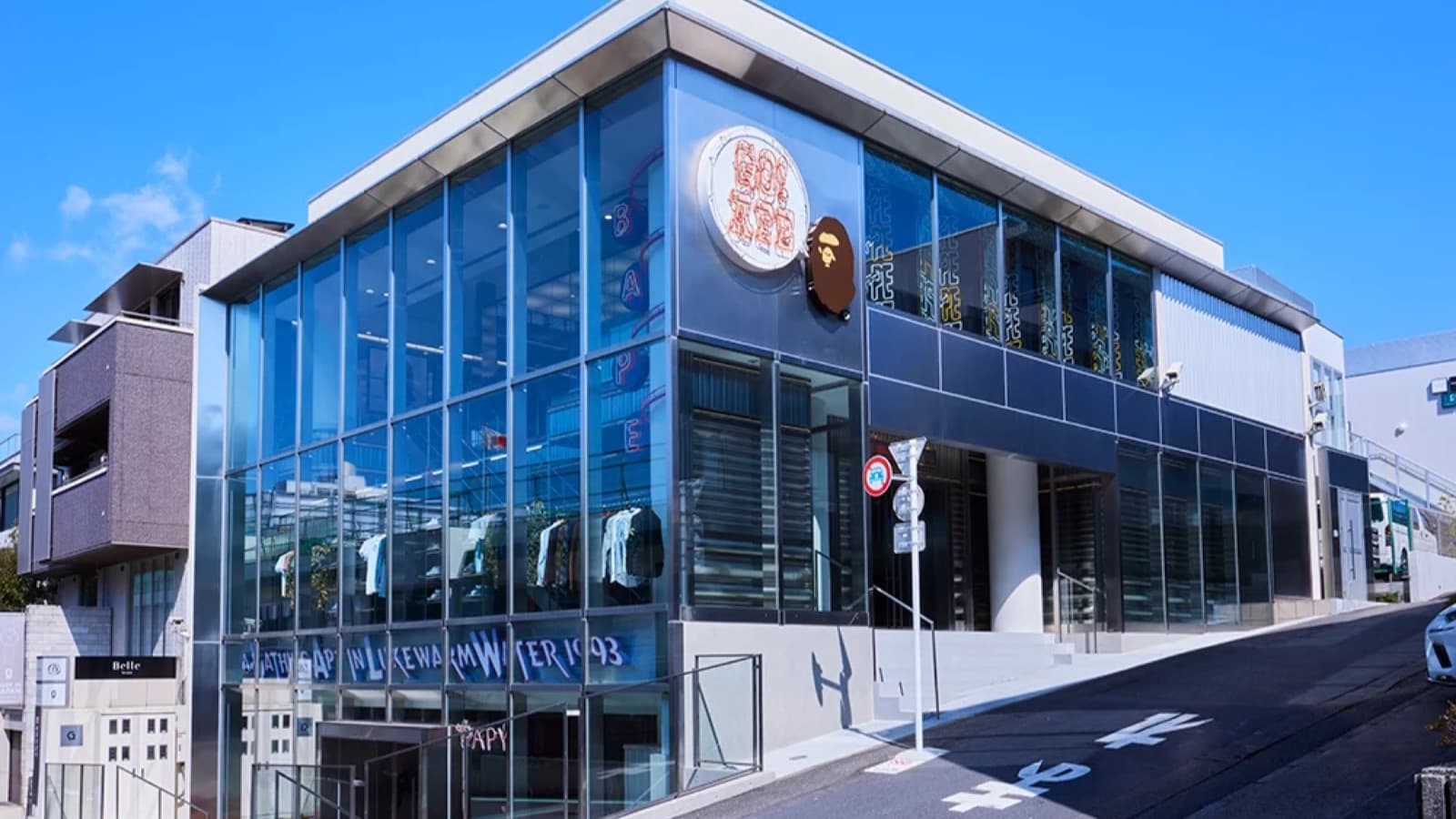
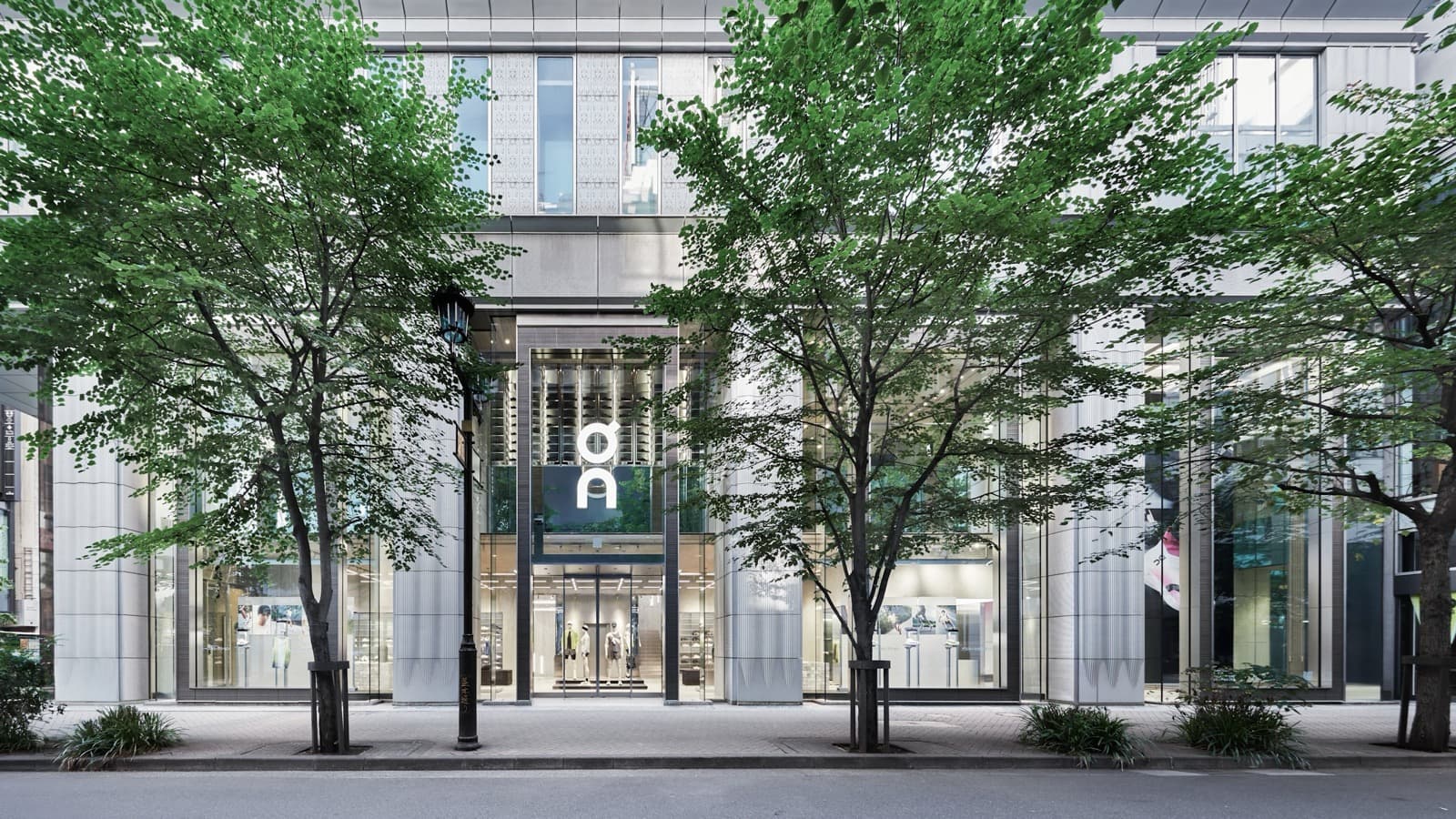
The walk between Harajuku and Shibuya, and the thirty places along it that are worth your time.
Last updated
Cat Street is the iconic backstreet that connects Harajuku and Shibuya and laid along the covered course of the old Shibuya river. It is the walk between two of the essential neighborhoods in Tokyo, and it is worth taking instead of riding one stop on the Yamanote. It is pedestrian friendly rather than completely car free, so watch for the occasional delivery van. Thirty stops here, in the order you reach them, and each earns the interruption for a reason. Some are the only branch of their kind in Tokyo. Some are the outsized version of a chain you already know, carrying stock the ordinary branch does not. A few are worth the minute it takes to step onto the parallel street. The direct walk takes about fifteen minutes, and browsing it properly fills half a day. If you're purely into shopping , check out our Tokyo streetwear guide and Tokyo beauty guide that cover many of the shops here and more
Walk it, or pick your stop
30 shops in 3 areas
What are you stopping for?
Area
The Harajuku End
DesignFood & drink
10 locations·Meiji-jingumae, about 4 minutes
Cat Street begins near the Jingumae crossing, right off Omotesando Avenue and runs south. This first stretch mixes the atmos pink flagship with the design floors of GYRE, which sit on Omotesando itself rather than on the path, and ends where the food starts.
10 locations·Omotesando or Meiji-jingumae, both about 4 minutes
The busiest part of the walk and where most of the eating is. Two of these sit on the parallel street a minute off the path, which is the detour worth taking, and you'll also find the coffee landmark and the resale shops here.
10 locations·Shibuya, about 6 minutes from the last stop
The last stretch runs downhill toward Shibuya and is the most flagship and retail heavy part of the walk. Brand stores sit almost shoulder to shoulder here, and the walk finishes across the street from Miyashita Park and a short distance from Shibuya Station.
Starting at the Jingumae crossing and walking south runs slightly downhill and leaves you close to Shibuya Station, so you finish on a train line rather than doubling back. The reverse works, but it ends in the busiest part of Harajuku.
It is calm, not car-free
Cat Street follows the covered course of the old Shibuya river, one block off the traffic on Meiji-dori. Most of it feels separated from the arterial roads, but parts remain public road, so expect occasional cars, delivery vehicles and bicycles.
Some stops are a short detour
The design shops in GYRE sit on Omotesando rather than on Cat Street itself, about two minutes off the path. They are tagged as a detour on their cards so you can skip them without losing the thread. Popular restaurants like Menchirashi and The Little BAKERY Tokyo are also a few minutes from Cat Street but are worth the detour.
Weekday afternoons are the quiet window
This route crosses Harajuku, Omotesando and Shibuya, all three of which fill up at the weekend. A weekday afternoon gets you the same shops with room to look at them.
Frequently Asked Questions
Cat Street is a pedestrian friendly lane running between Harajuku and Shibuya, laid along the covered course of the old Shibuya river. It sits one block off Meiji-dori, which is why it is used as a walking route between the two districts, though parts of it remain public road rather than being fully closed to cars.
About fifteen minutes end to end if you walk it directly, since the first stop to the last is under a mile (0.6mi/1k). A focused visit with a few shops runs to roughly two hours, and browsing most of this guide with a food stop can fill half a day.
The northern end is the Jingumae crossing where Cat Street meets Omotesando Avenue, a few minutes from Meiji-jingumae and Harajuku stations. The southern end comes out near Shibuya, a short walk from the station.
Sneakers and brand flagships dominate, with secondhand designer and design shops through the middle. The middle is where the food is, and the design and homeware shops there sit on Omotesando itself rather than on Cat Street.
They serve different visits. Takeshita Street is narrow, crowded and aimed at teen fashion and snacks. Cat Street is wider, quieter and weighted toward brand flagships, resale and design, so it suits a slower shopping walk.